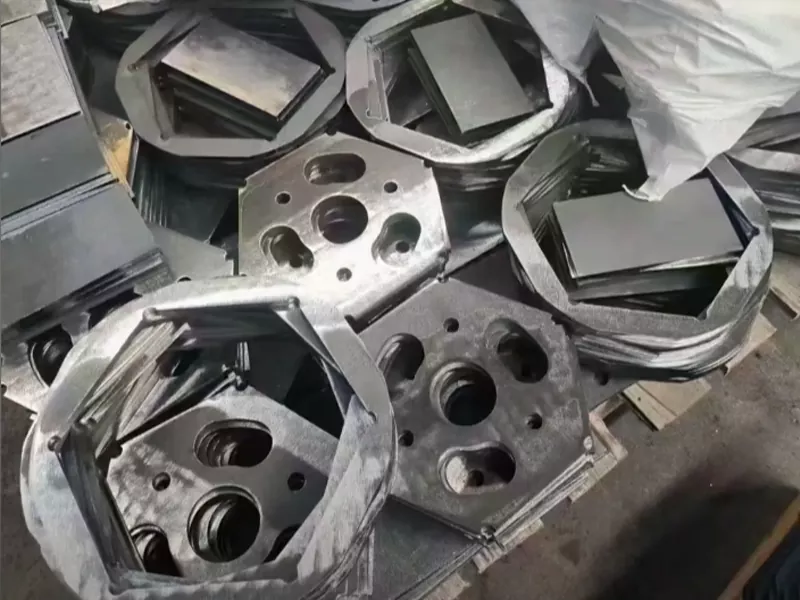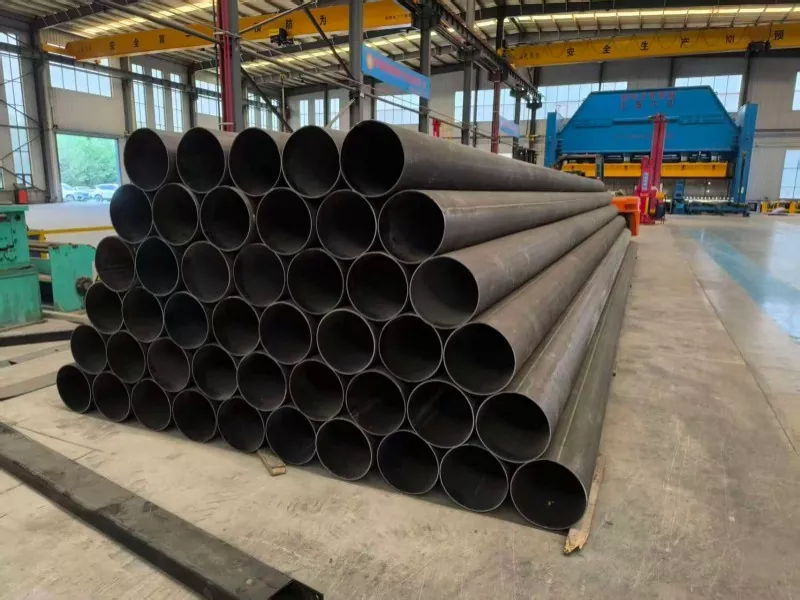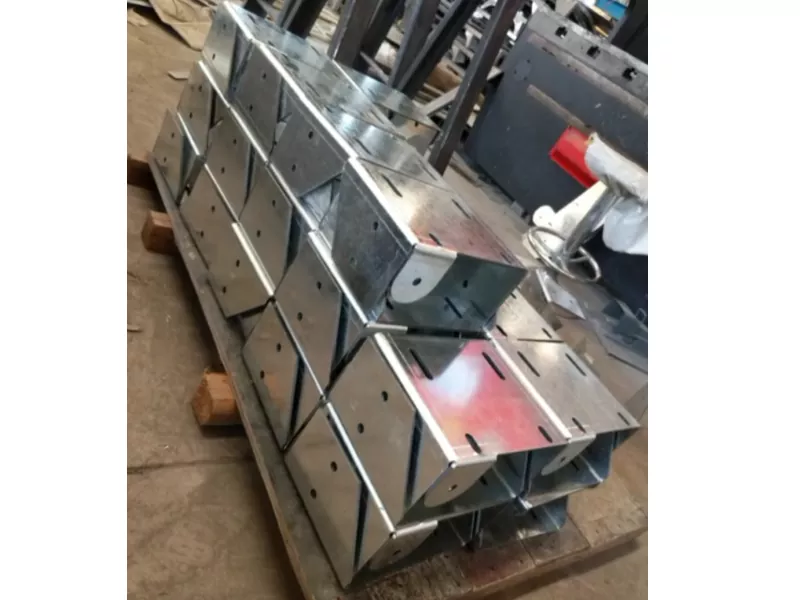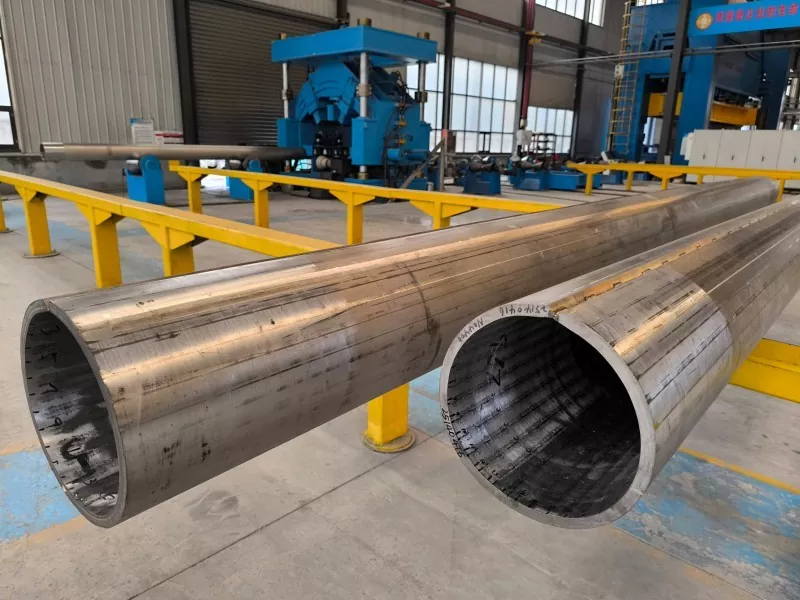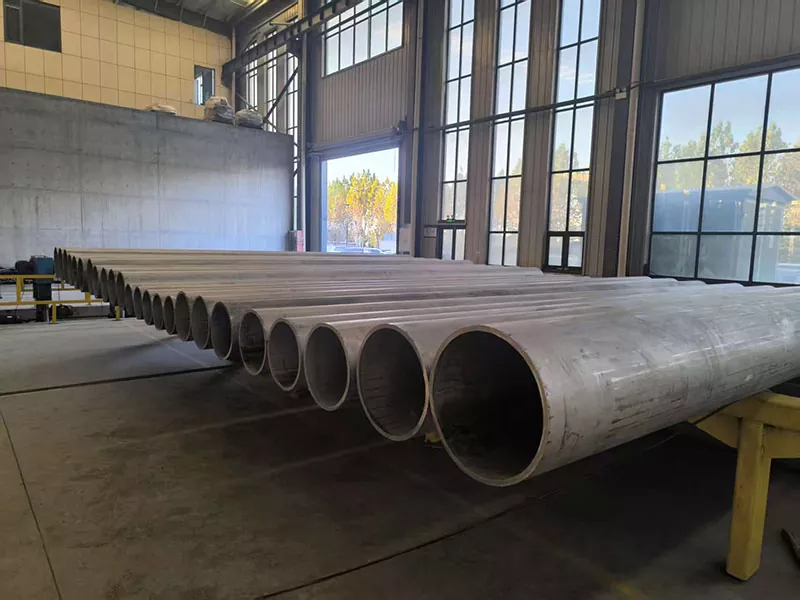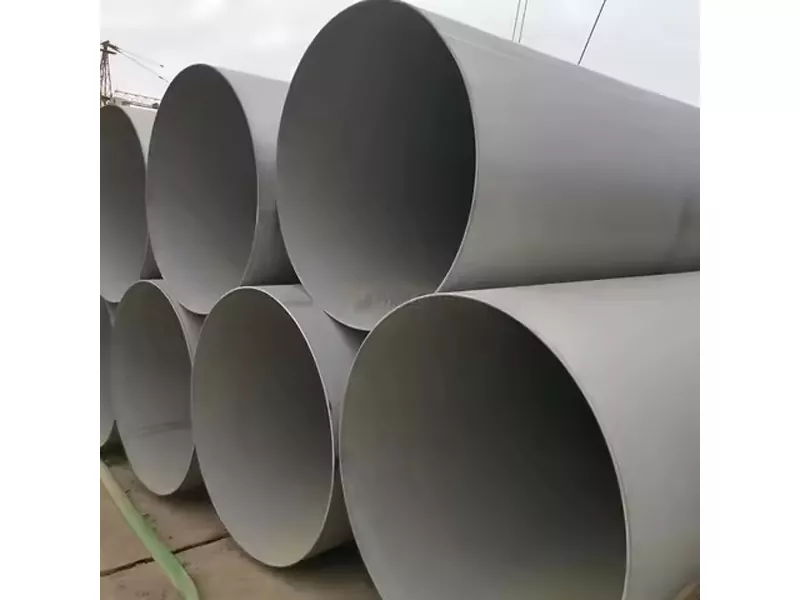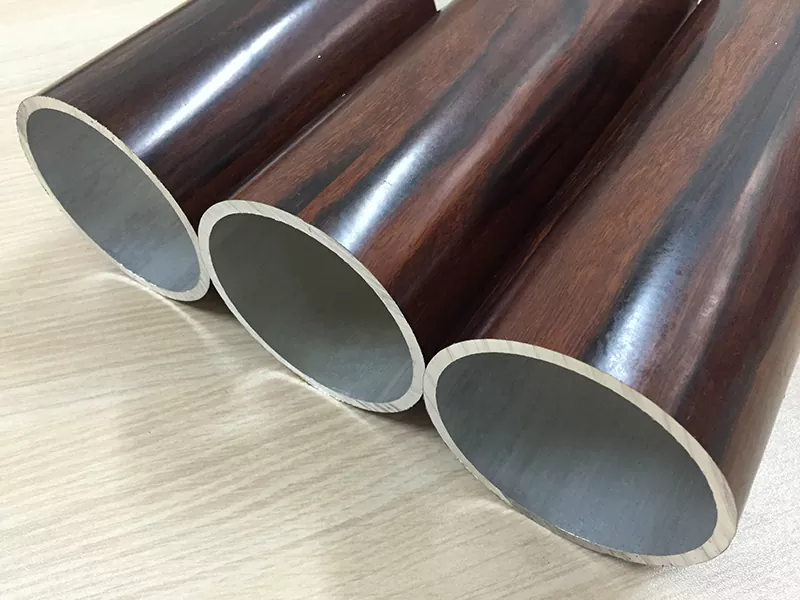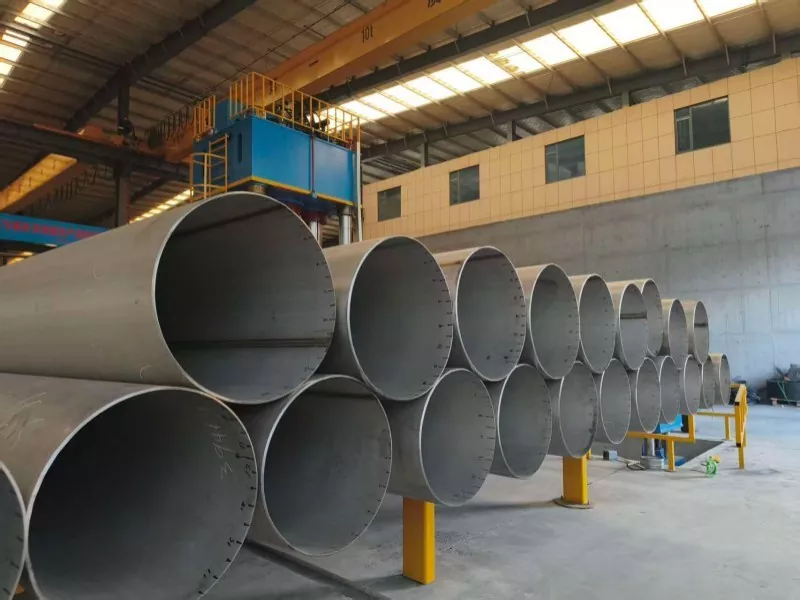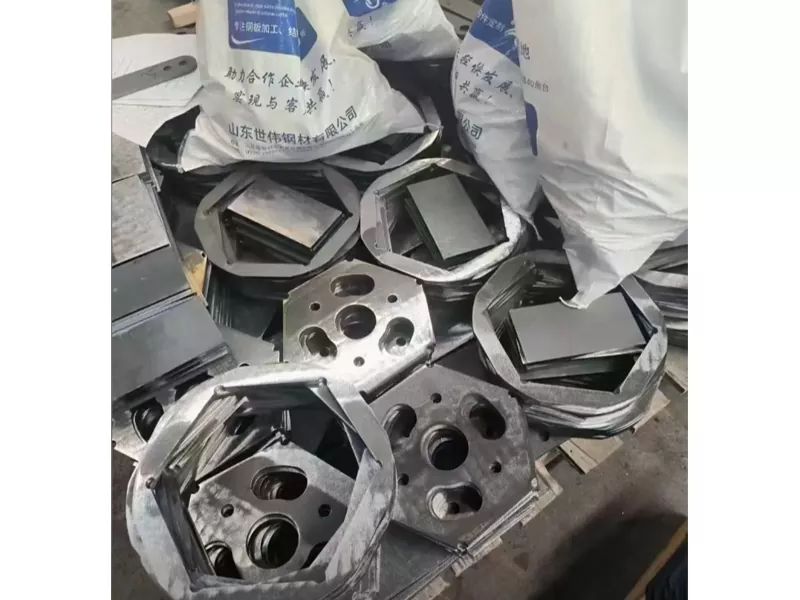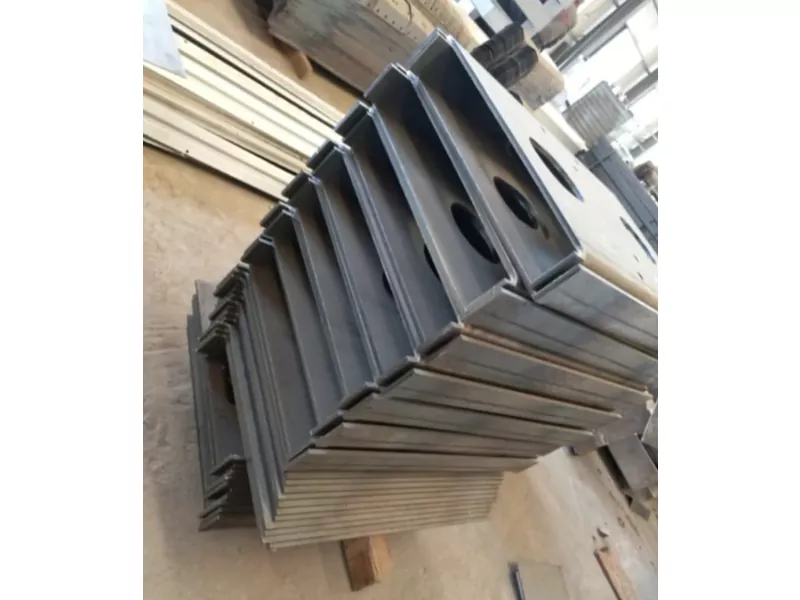
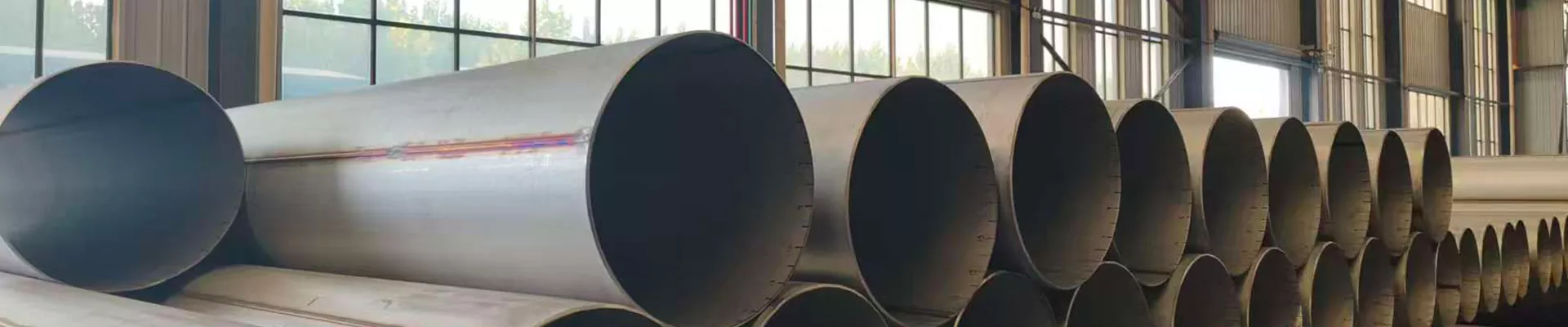
Oil and gas pipeline stainless welded pipe serves as the backbone of modern energy infrastructure, combining durability with precision engineering. Designed to meet the rigorous demands of upstream, midstream, and downstream operations, this product is engineered to transport crude oil, natural gas, and refined products across vast distances under extreme conditions. The pipe functions as a reliable oil and gas sector welded stainless steel tube, offering seamless integration with existing networks and custom fabrication options. Its metallurgical properties make it an indispensable stainless welded tubing for petroleum industry applications, where corrosion resistance and pressure integrity cannot be compromised. When operators require a robust pipeline pipe for oil and gas transmission, this welded solution delivers consistent performance in both onshore and offshore environments. Furthermore, as a certified petroleum grade stainless welded conduit, it adheres to stringent quality protocols including full traceability, non-destructive testing, and third-party inspections. The fusion of advanced welding techniques with high-grade stainless steel ensures that every joint maintains uniform wall thickness and ovality, minimizing weak points along the line. Whether laid through arctic permafrost, desert sands, or subsea trenches, these pipes stand resilient against internal scaling, external atmospheric attack, and mechanical stress caused by ground movement or thermal cycling.
The Oil and gas pipeline stainless welded pipe distinguishes itself through a combination of material science and manufacturing precision. Austenitic and duplex stainless steel grades are selected based on the specific chloride, hydrogen sulfide, and carbon dioxide concentrations encountered in different fields. The longitudinal welding process uses automated plasma or TIG methods followed by solution annealing, which restores the microstructure and eliminates carbide precipitation at the heat-affected zone. This results in a pipe that retains full corrosion resistance and mechanical strength throughout its service life, even when exposed to sour gas environments. The internal surface finish is controlled to Ra ≤ 1.6 µm to reduce friction losses during transmission and to discourage the adherence of paraffin or scale. External surfaces may be supplied in mill finish, pickled, or coated with fusion-bonded epoxy for additional protection. Stringent hydrostatic testing is performed on every piece, with test pressures calculated in accordance with API 5L or ASME B31.3 codes, ensuring zero leaks before shipment. Additionally, the product supports compatibility with intelligent pigging operations, allowing inline inspection without interruption of product flow. From gathering systems to cross-country trunk lines, Oil and gas pipeline stainless welded pipe provides the reliability and safety essential for uninterrupted energy supply.
Technical specifications and dimensional capabilities are outlined in the following lists and tables, representing the core range available for immediate order. Custom lengths and non-schedule wall thicknesses can be accommodated upon request.
| Nominal Diameter (inch) | Outside Diameter (mm) | Wall Thickness (mm) | Material Grade | Pressure Rating | Standard |
|---|---|---|---|---|---|
| 2” | 60.3 | 3.91 | TP316L | Class 150-300 | ASTM A312 |
| 6” | 168.3 | 7.11 | 2205 Duplex | Class 600 | ASTM A358 |
| 12” | 323.9 | 9.53 | TP304L | API 5L X52 | API 5L PSL2 |
| 20” | 508.0 | 12.70 | TP316L | Class 900 | ASTM A312 |
| 30” | 762.0 | 15.88 | TP321 | API 5L X60 | ASTM A358 |
| 42” | 1066.8 | 19.05 | 2507 Super Duplex | Class 1500 | API 5L PSL2 |
The dimensional and chemical compliance matrix is further supported by supplementary documentation including weld procedure specification records, heat treatment charts, and complete traceability from melt to finished pipe. Each delivery batch is accompanied by a comprehensive inspection release note, ensuring that the Oil and gas pipeline stainless welded pipe meets both international standards and site-specific technical requisitions. Mill test certificates detail elemental composition, Charpy impact values at design temperature, and intergranular corrosion test results per ASTM A262 Practice E. This transparency of data enables engineers to perform fitness-for-service assessments and integrate the material into risk-based inspection programs without uncertainty.