In industrial piping systems, components that guide the direction of fluid flow are just as important as pipes themselves. Among these components, the pipe elbow plays a critical role. Whether in oil & gas pipelines, chemical plants, water treatment facilities, or HVAC systems, elbows enable pipelines to change direction efficiently without interrupting flow performance.
This comprehensive guide explores everything you need to know about pipe elbows—from types and materials to manufacturing processes, applications, and installation tips. With insights inspired by industry practices such as those used by industrial elbow manufacturers, this article helps engineers, procurement managers, and project designers make informed decisions when selecting elbows for piping systems.
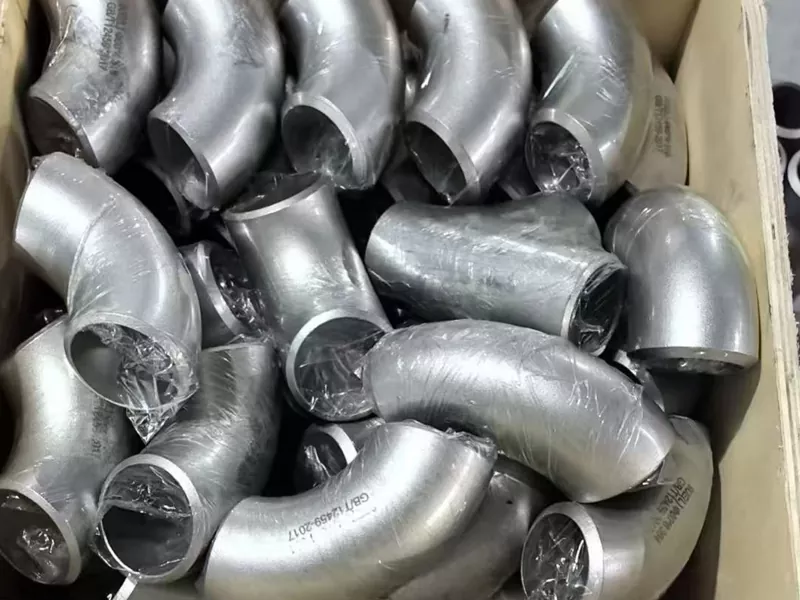
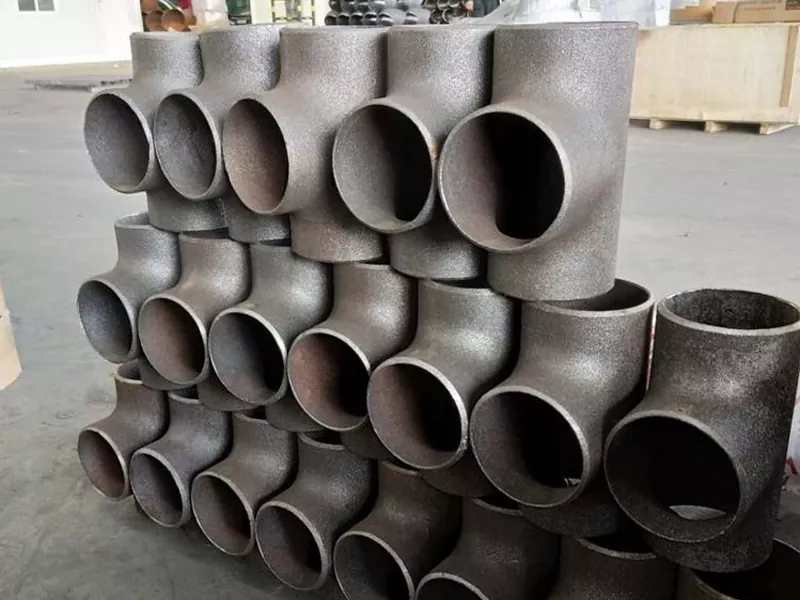
A pipe elbow is a pipe fitting used to change the direction of flow within a piping system. It connects two lengths of pipe at an angle, allowing fluids such as water, oil, gas, or chemicals to move through complex pipeline layouts.
Elbows are essential because most industrial facilities cannot install pipelines in perfectly straight lines. Instead, systems must navigate around equipment, walls, structural elements, and elevation changes.
Professional manufacturers like SHIWANG design pipe elbows that maintain flow efficiency while minimizing turbulence and pressure loss.
Pipe elbows are vital for maintaining efficient flow in complex piping networks. Without elbows, pipelines would require long detours or excessive joints, increasing the risk of leaks and inefficiencies.
Industrial systems rely on elbows to maintain reliable operations while minimizing pressure drops and flow disruptions.
Pipe elbows come in several configurations based on angle and radius. Choosing the correct type ensures optimal flow performance.
| Type | Angle | Description | Common Uses |
|---|---|---|---|
| 45 Degree Elbow | 45° | Provides moderate direction change | Water systems, HVAC pipelines |
| 90 Degree Elbow | 90° | Creates a right-angle turn | Industrial pipelines |
| 180 Degree Elbow | 180° | Allows complete reversal of flow direction | Heat exchanger systems |
Long-radius elbows are often preferred because they reduce pressure loss and turbulence.
Selecting the right material is essential for ensuring durability, corrosion resistance, and pressure tolerance.
| Material | Advantages | Typical Applications |
|---|---|---|
| Carbon Steel | High strength and affordability | Oil & gas pipelines |
| Stainless Steel | Excellent corrosion resistance | Chemical processing |
| Alloy Steel | High temperature resistance | Power plants |
| Duplex Steel | Superior corrosion protection | Marine environments |
Manufacturers such as SHIWANG offer elbows in multiple materials to meet various industry requirements.
High-quality elbows are produced using advanced manufacturing techniques that ensure structural integrity and dimensional accuracy.
Each method is chosen based on pipe diameter, material properties, and required pressure ratings.
Pipe elbows must comply with international standards to ensure compatibility and safety.
| Standard | Description |
|---|---|
| ASME B16.9 | Factory-made wrought steel fittings |
| ASTM A234 | Carbon and alloy steel fittings |
| DIN Standards | European piping specifications |
| JIS Standards | Japanese industrial standards |
Pipe elbows are widely used across many sectors because fluid transport systems require directional flexibility.
Reliable elbow fittings ensure safe fluid transport even in high-pressure or high-temperature environments.
Selecting the correct elbow requires evaluating several engineering factors.
Consulting experienced suppliers such as SHIWANG can help ensure that the elbow specifications meet project requirements.
Proper installation ensures optimal performance and prevents premature failure.
With advancements in industrial engineering, pipe elbow manufacturing continues to evolve.
These innovations improve product quality, reduce manufacturing costs, and enhance pipeline safety.
The 90-degree elbow is the most widely used fitting because it efficiently changes flow direction in compact spaces.
Long radius elbows reduce turbulence and pressure loss, while short radius elbows are used where space is limited.
Industries such as oil and gas, petrochemical processing, water treatment, and power generation rely heavily on pipe elbows.
Material selection depends on fluid type, temperature, pressure, and environmental conditions.
Yes. Sharp angles and short-radius elbows can increase turbulence and pressure loss, which is why proper selection is important.
Pipe elbows are fundamental components in modern piping systems, enabling efficient directional control and flexible pipeline design. From selecting the right material to ensuring proper installation, every decision impacts system performance and longevity.
Industry leaders such as SHIWANG continue to innovate in elbow manufacturing, delivering reliable solutions for demanding industrial environments. Understanding elbow types, standards, and applications allows engineers and procurement teams to build safer and more efficient piping networks.
If you are planning a pipeline project or sourcing high-quality industrial pipe fittings, working with experienced manufacturers can make a significant difference. For detailed specifications, technical consultation, or customized solutions, contact us today to learn how professional pipe elbow products can support your next project.