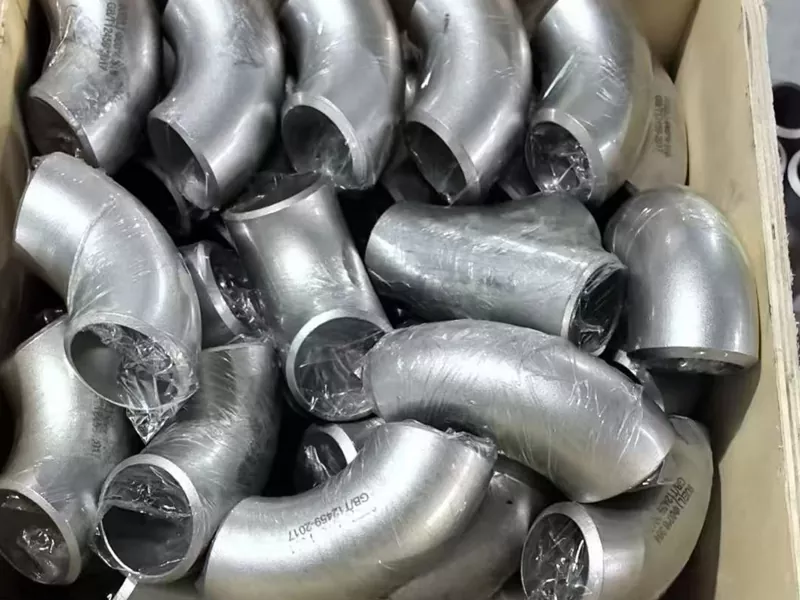
Stainless steel elbows are critical components in industrial piping systems, allowing directional changes in fluid or gas flow while maintaining structural integrity and corrosion resistance. This in-depth guide explores types, materials, manufacturing standards, pressure ratings, installation best practices, and selection criteria. Whether you're working in oil & gas, food processing, marine engineering, or chemical industries, understanding stainless steel elbow specifications ensures performance, safety, and long service life.
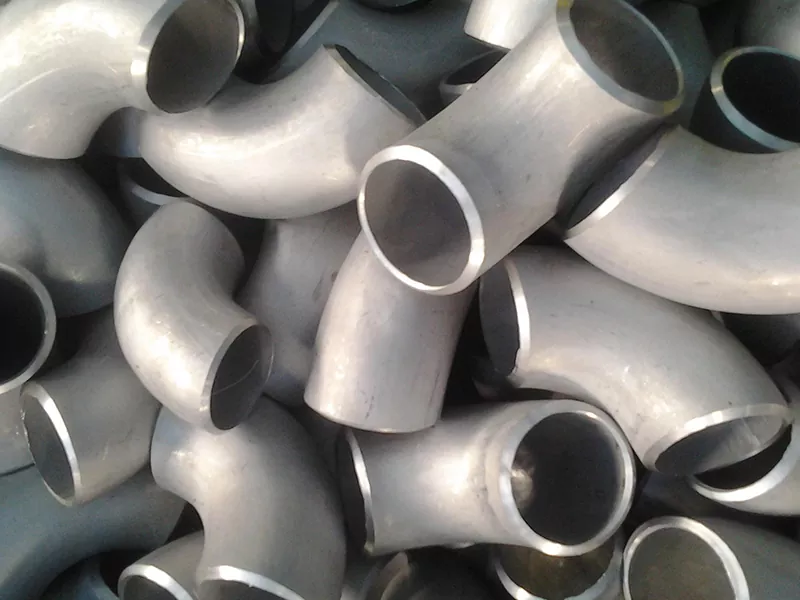
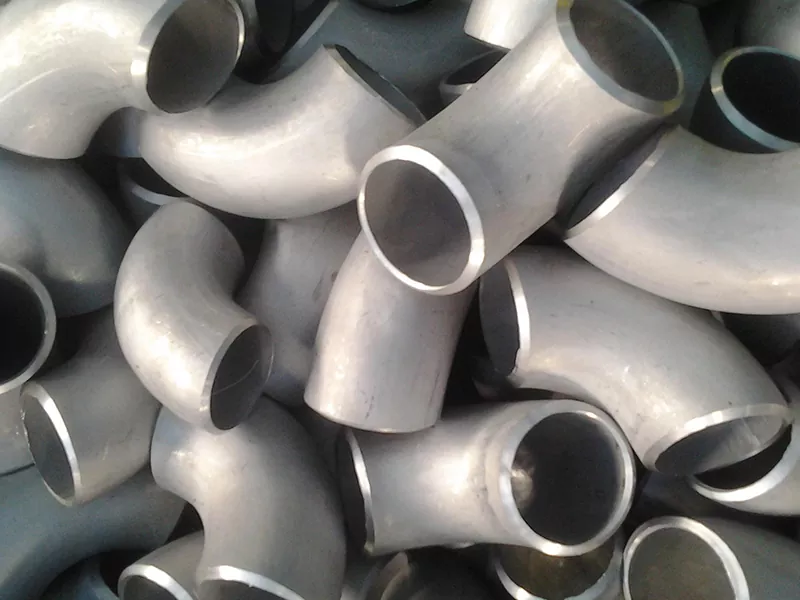
A stainless steel elbow is a pipe fitting used to change the direction of flow in a piping system. It is commonly available in 45°, 90°, and 180° angles and is designed to withstand corrosion, pressure, and high temperatures.
Stainless steel elbows are widely used because they offer:
Leading manufacturers like Shiwang provide precision-engineered stainless steel elbows designed for demanding industrial environments.
| Property | 304 Stainless Steel | 316 Stainless Steel |
|---|---|---|
| Corrosion Resistance | Good | Excellent (with Mo) |
| Chloride Resistance | Moderate | High |
| Cost | Lower | Higher |
| Typical Use | Food, water systems | Marine, chemical plants |
For aggressive chemical or marine environments, 316 stainless steel elbows are typically recommended.
Stainless steel elbows are typically manufactured according to international standards such as:
Compliance with these standards ensures dimensional accuracy, pressure tolerance, and material integrity.
| Feature | Long Radius (LR) | Short Radius (SR) |
|---|---|---|
| Radius | 1.5 x Pipe Diameter | 1 x Pipe Diameter |
| Flow Efficiency | Higher | Lower |
| Pressure Drop | Lower | Higher |
| Installation Space | Requires More Space | Compact Areas |
In sanitary industries, polished stainless steel elbows ensure contamination-free fluid transport.
Select based on system pressure and temperature.
Consider environmental corrosion factors.
Balance flow efficiency and space constraints.
Ensure conformity to ASME or ASTM requirements.
Especially critical for food and pharmaceutical systems.
316 contains molybdenum, offering better resistance to chlorides and harsh chemicals.
90-degree elbows are the most widely used in industrial piping systems.
Yes, especially when manufactured to ASME standards.
Yes, with proper polishing and hygienic design.
Stainless steel elbows are more than simple pipe fittings—they are critical components that ensure safe, efficient, and durable fluid transport across industries. Selecting the correct type, material grade, and radius directly impacts system performance and longevity.
If you are sourcing high-quality stainless steel elbows manufactured to international standards, Shiwang provides reliable solutions tailored to your industrial requirements. For detailed specifications, technical consultation, and competitive pricing, contact us today to optimize your piping systems with precision-engineered stainless steel fittings.