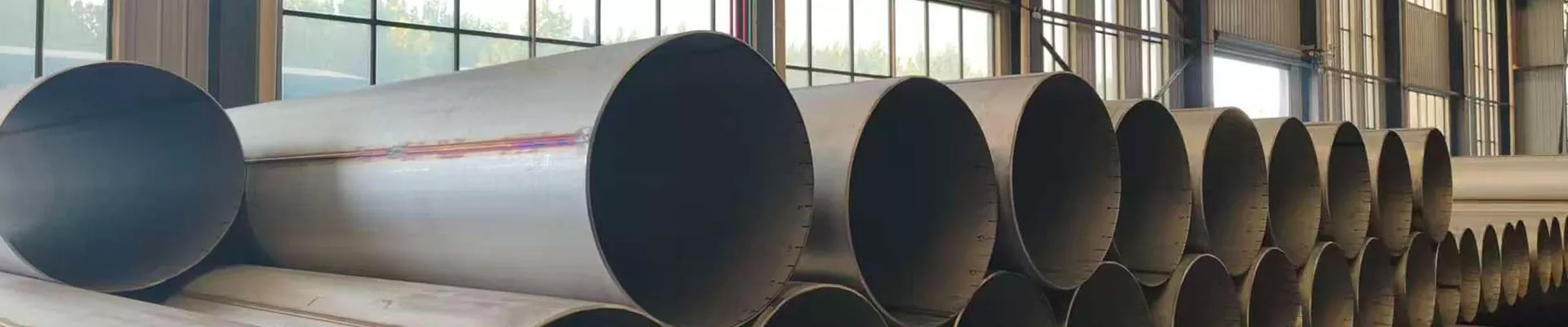
In modern oil and gas pipeline systems, safety and operational efficiency are critical. One component that plays a crucial role in pigging operations and branch pipeline protection is the Barred Tee. This article explores what a barred tee is, how it functions, why it is essential for pigging systems, material standards, design considerations, installation guidelines, and how to select a reliable manufacturer like Shiwang. You will also find detailed tables, technical comparisons, and a comprehensive FAQ section to support engineers, procurement managers, and EPC contractors.
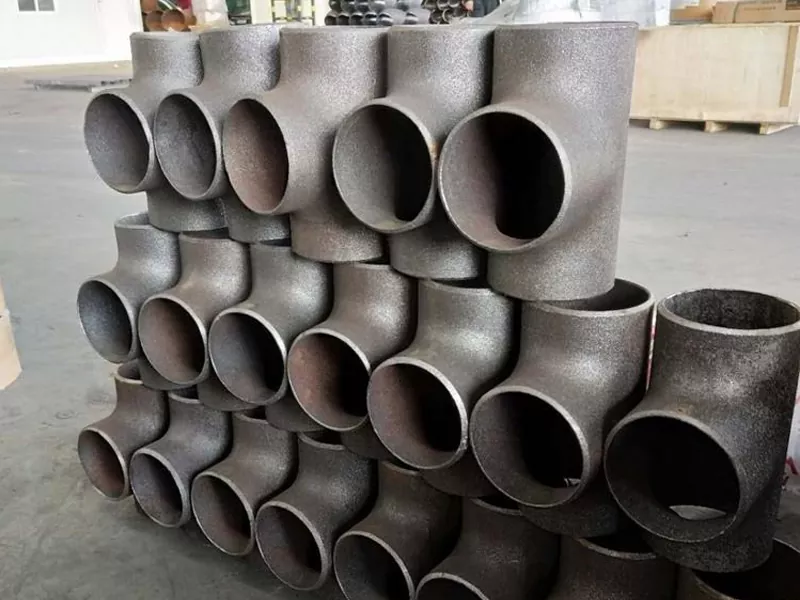
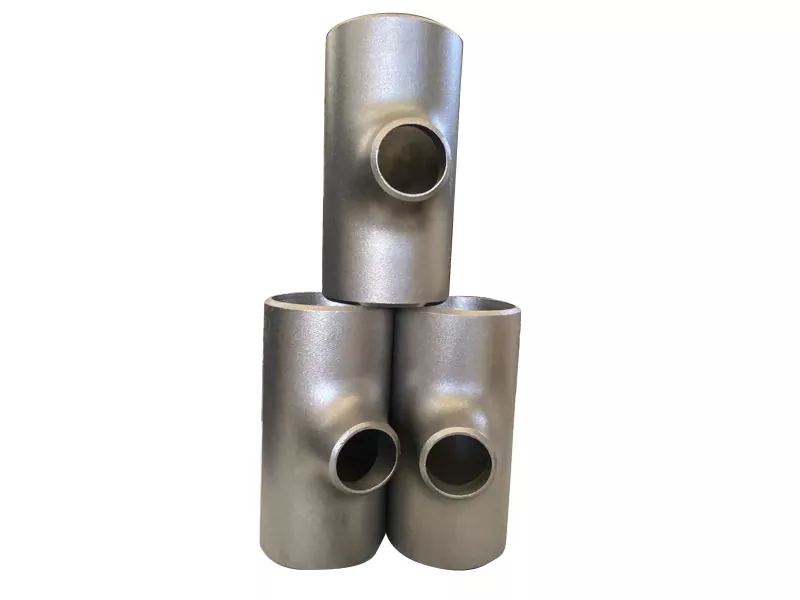
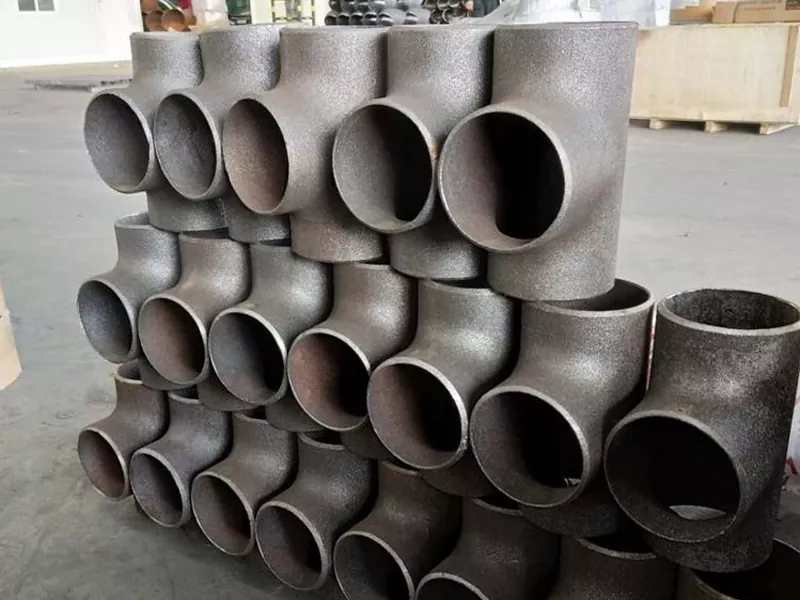
A Barred Tee is a specialized pipeline fitting used primarily in piggable pipeline systems. Unlike a standard tee fitting, it contains internal bars (grill bars) welded across the branch outlet to prevent pipeline pigs from accidentally entering the branch line.
Pipeline pigs are mechanical devices used for cleaning, inspection, or separation within pipelines. Without a barred tee, a pig could enter a branch line, potentially causing blockage, damage, or costly downtime.
These fittings are commonly used in:
Pigging systems allow internal cleaning and inspection without stopping flow. During pigging operations, pigs travel through the main pipeline bore. The barred tee ensures pigs continue along the main line rather than diverting into branch pipelines.
This simple but highly engineered solution prevents operational hazards and ensures uninterrupted pigging.
The oil and gas industry operates under strict safety and reliability standards. A barred tee significantly enhances system integrity.
Industry guidelines from organizations such as :contentReference[oaicite:0]{index=0} (API) and :contentReference[oaicite:1]{index=1} recommend proper branch protection in piggable systems.
| Feature | Barred Tee | Standard Tee |
|---|---|---|
| Internal Bars | Yes | No |
| Suitable for Pigging | Yes | No |
| Application | Piggable pipelines | General piping systems |
| Safety Level | High | Moderate |
For piggable pipelines, using a standard tee instead of a barred tee can lead to severe operational risks.
Barred tees are manufactured according to international standards, ensuring compatibility and durability.
At Shiwang, strict quality control processes include:
Designing a barred tee involves complex engineering calculations.
Bar spacing must be smaller than the minimum pig diameter while allowing sufficient fluid flow to the branch.
| Main Pipe Size | Typical Bar Thickness | Bar Spacing |
|---|---|---|
| 12" | 10-12 mm | < Pig OD - 5 mm |
| 24" | 16-20 mm | < Pig OD - 8 mm |
| 36" | 20-25 mm | < Pig OD - 10 mm |
Selecting the right manufacturer is essential for long-term pipeline safety.
Shiwang provides customized barred tee solutions for global EPC contractors, offering:
For more product specifications, visit: Barred Tee Product Page
Technically yes, but it is unnecessary and increases cost.
Minimal impact when properly designed. Engineering calculations optimize flow.
Yes. Most are fabricated according to project-specific drawings.
UT, RT, MPI, and hydro testing are common.
A Barred Tee is a critical component in piggable pipeline systems, ensuring operational safety, preventing pig diversion, and protecting branch pipelines. With increasing demands for reliability in oil and gas infrastructure, proper engineering design and manufacturing quality are non-negotiable.
Choosing an experienced manufacturer like Shiwang ensures compliance with international standards, customized engineering solutions, and long-term performance reliability.
If you are planning a pipeline project and need high-quality barred tee fittings tailored to your specifications, contact us today to get professional technical support and a competitive quotation.