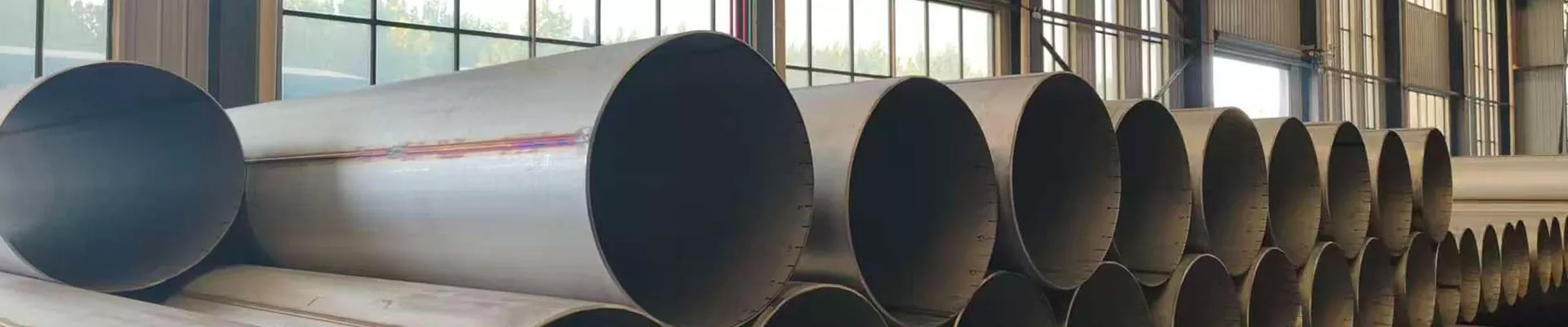
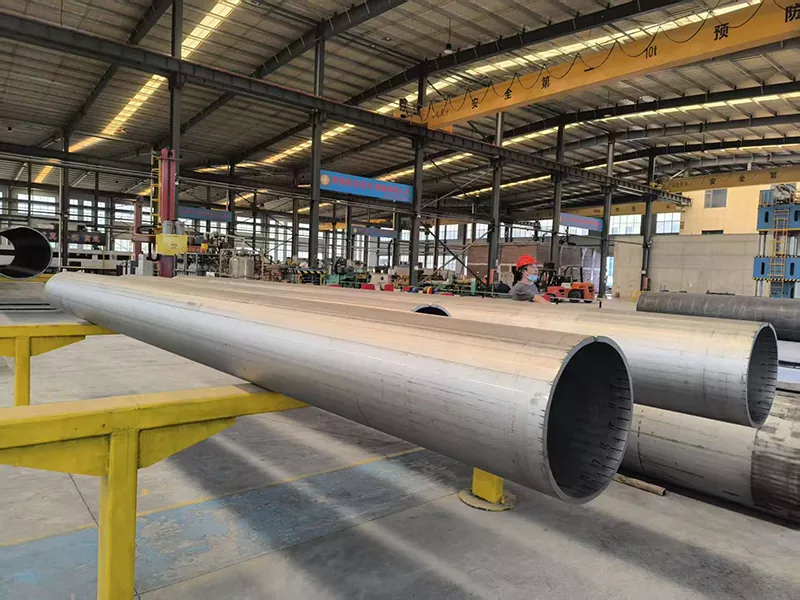
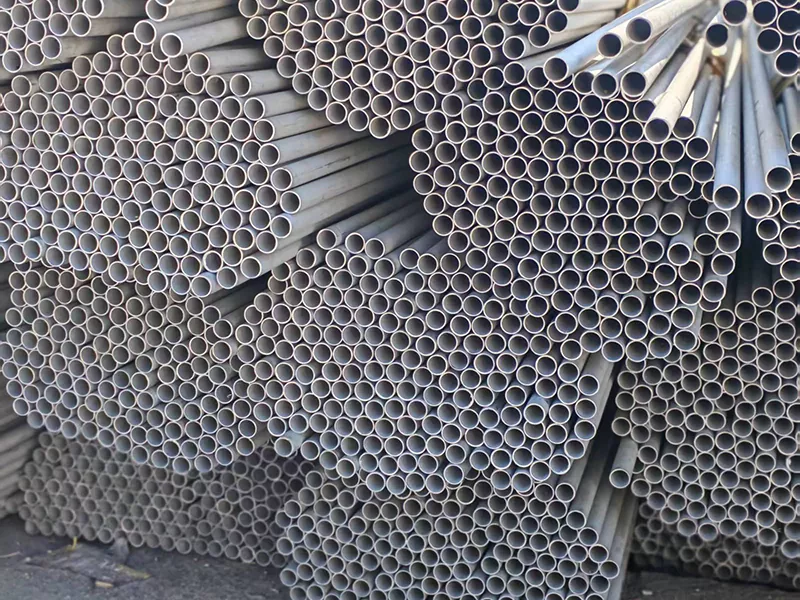
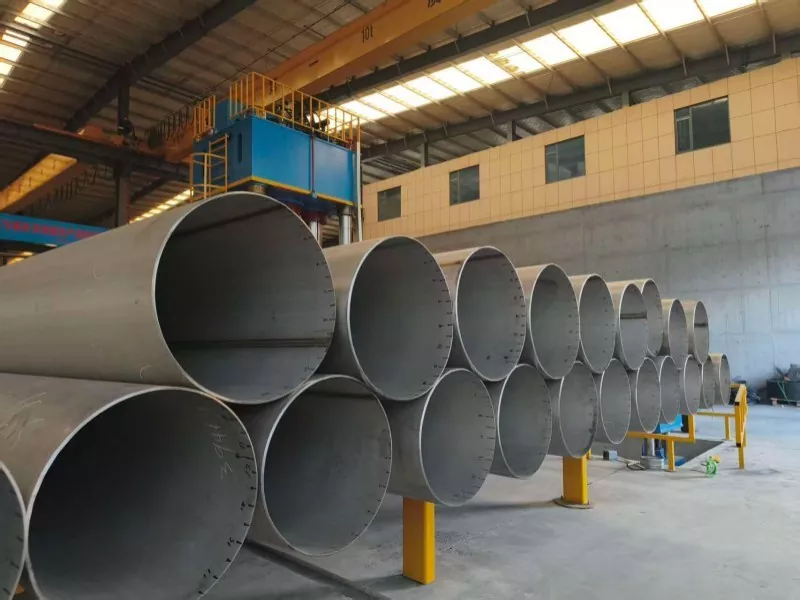
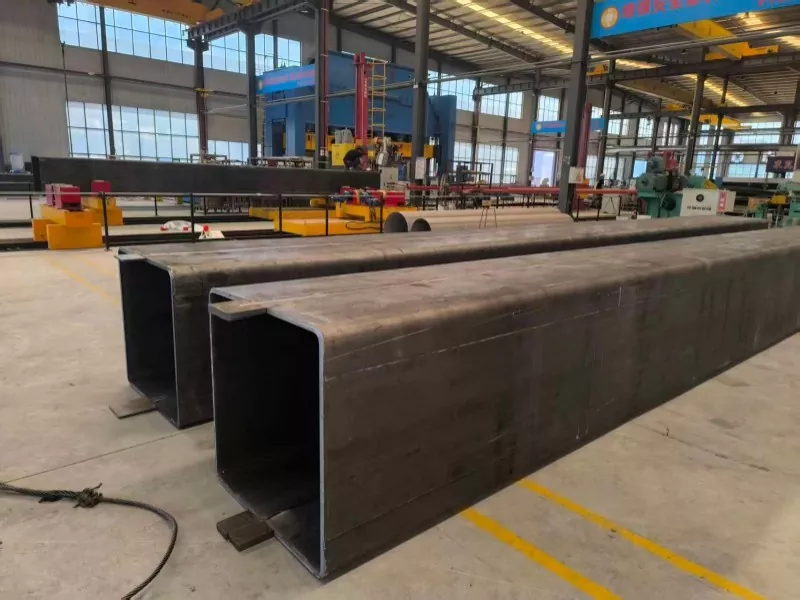
With the rapid development of high-end industrial fields such as petrochemicals, energy and power, and marine engineering, the performance requirements for pipeline materials have become increasingly stringent. The limitations of traditional carbon steel pipes under extreme conditions such as high temperature, high pressure, and strong corrosion have gradually become apparent. However, alloy pipes, with their tailor-made material formulations and outstanding comprehensive performance, are becoming the core materials to solve industry pain points and enhance engineering safety and efficiency. They are injecting strong impetus into the high-quality development of various fields.
Combining high strength and high toughness, they build a solid safety defense line for high-pressure conditions. Alloy pipes are based on high-quality carbon steel and through precise addition of alloy elements such as chromium, molybdenum, vanadium, and nickel, they reconstruct the internal crystal structure of the metal, achieving a qualitative leap in mechanical properties. Compared to ordinary carbon steel pipes, the tensile strength and yield strength of alloy pipes generally increase by more than 30%, and some high-end grade products can reach tensile strength of over 900 MPa, capable of easily meeting the high-pressure transmission requirements of 30 MPa or more. At the same time, their excellent toughness makes them less prone to fracture or deformation when subjected to mechanical impact or changes in working conditions, especially suitable for core scenarios with extremely high safety requirements such as long-distance natural gas pipelines and nuclear power cooling systems, effectively reducing the risk of leakage.
Superior corrosion and heat resistance, suitable for extremely harsh environments. In complex industrial production environments, pipelines often encounter corrosive substances such as acid and alkali media, sulfides, and marine salt fog, as well as high-temperature conditions such as hot smoke and high-pressure steam. The chromium element in alloy pipes can form a dense oxide protective film on the surface, effectively resisting oxidation and corrosion; the molybdenum element significantly enhances the material's high-temperature strength and resistance to chloride corrosion. Some nickel-based alloy pipes can operate stably for a long time at 900℃, with a corrosion rate only one-tenth of that of ordinary carbon steel pipes. This characteristic enables it to demonstrate unique advantages in extreme scenarios such as offshore drilling platforms, refining and chemical plants, and power plant boiler systems, significantly reducing equipment downtime and maintenance costs due to corrosion and aging.
Excellent processing adaptability, reducing construction costs. Despite its superior performance, the alloy pipe does not sacrifice processing convenience. Most product grades have good weldability and can seamlessly connect with complex pipeline systems, reducing welding defects and construction difficulties. At the same time, alloy pipes produced through advanced processes such as cold drawing and hot rolling have dimensional accuracy controlled within ±0.05mm, with low surface roughness. They can meet the requirements of precise installation without additional processing. In addition, the alloy pipe has outstanding fatigue resistance, with a fatigue life of over 100,000 cycles, capable of withstanding repeated pressure impacts caused by changes in working conditions, significantly extending the service life of the pipeline and achieving the economic benefit of "one-time installation, long-term benefits".
The green sustainable attributes align with the development trend of industries. Under the leadership of the dual carbon goals, the environmental advantages of alloy pipes have become increasingly prominent. Its 100% recyclable feature effectively reduces material waste and carbon footprint. Compared to traditional welded pipes, carbon emissions can be reduced by 30%. At the same time, with its extremely long service life and low maintenance requirements, alloy pipes reduce the resource consumption and environmental impact caused by frequent pipeline replacements, making it the preferred material for practicing green development concepts in the high-end industrial sector.
From energy transmission to marine engineering, from precision machinery to aerospace, alloy pipes, with their irreplaceable performance advantages, are gradually replacing traditional pipe materials and becoming an important support for the upgrading of high-end industries. In the future, with the continuous optimization of material formulas and the continuous innovation of production processes, alloy pipes will further expand their application boundaries and provide a solid guarantee for more technological breakthroughs and safe and efficient operation in various industries.
We use cookies to offer you a better browsing experience, analyze site traffic and personalize content. By using this site, you agree to our use of cookies. Privacy Policy