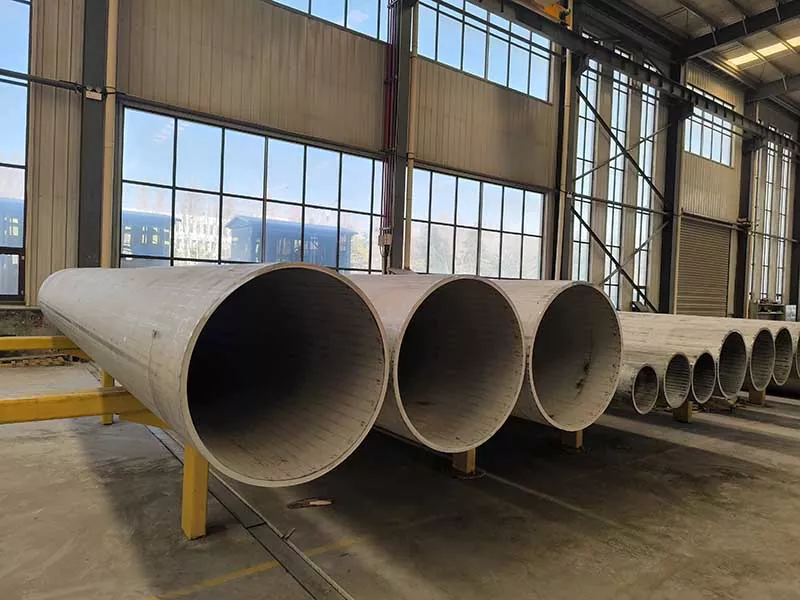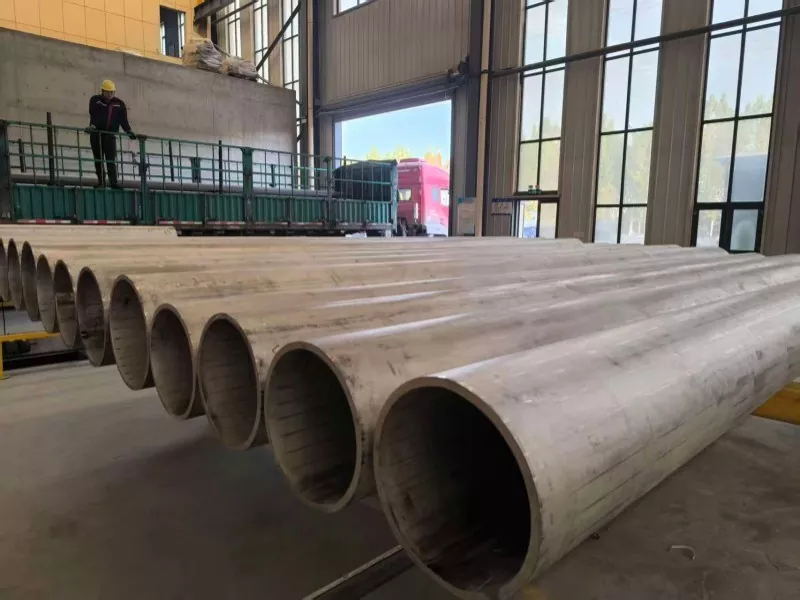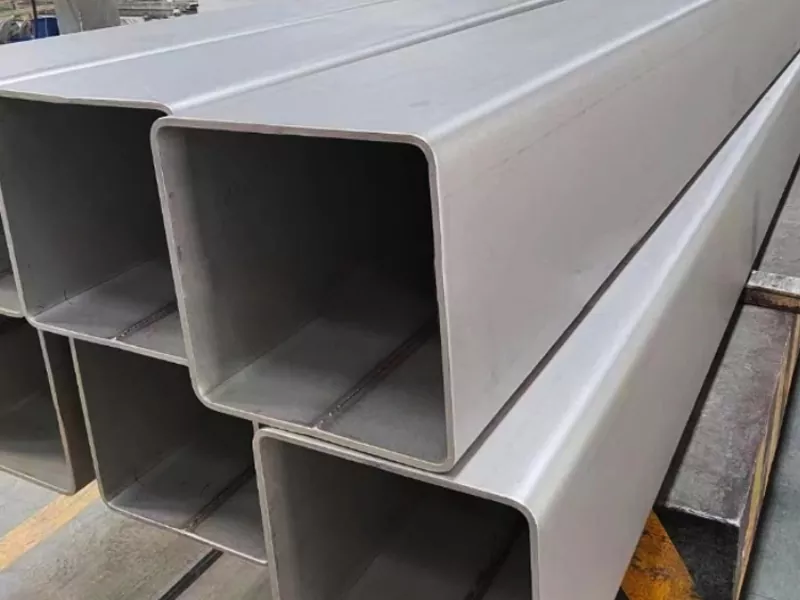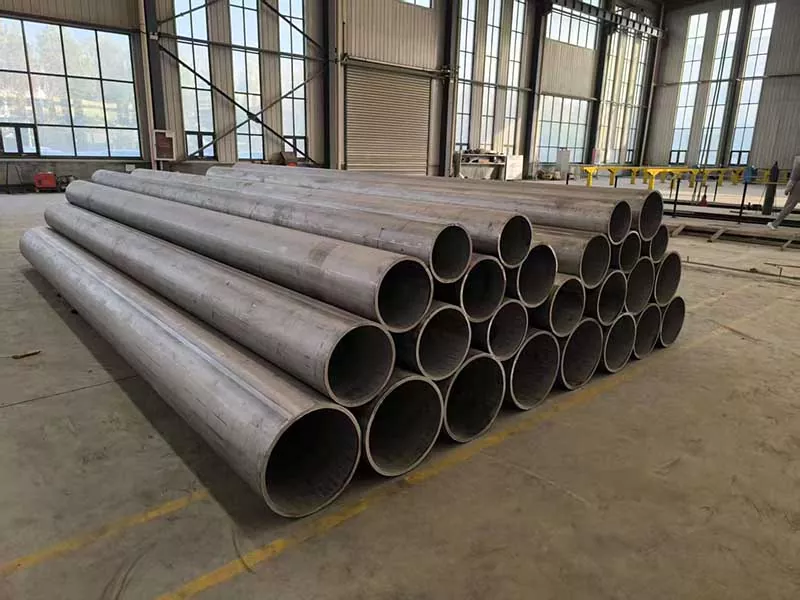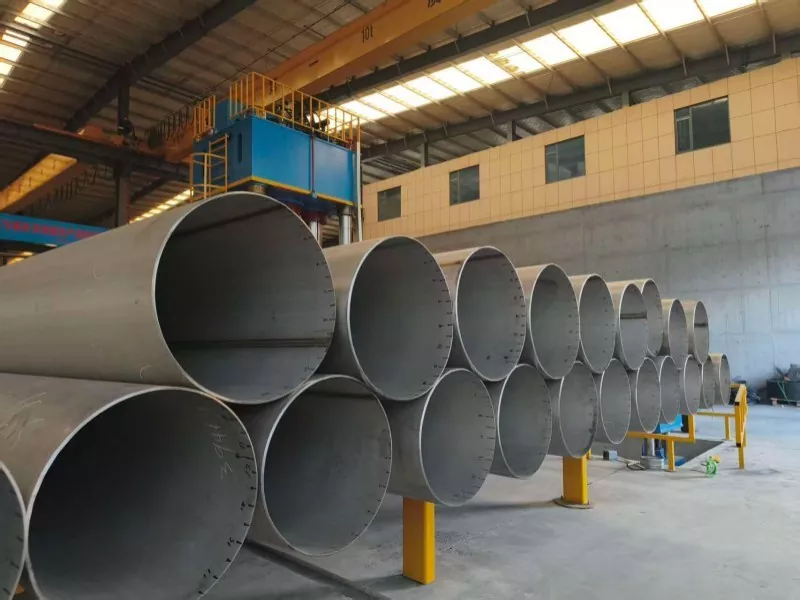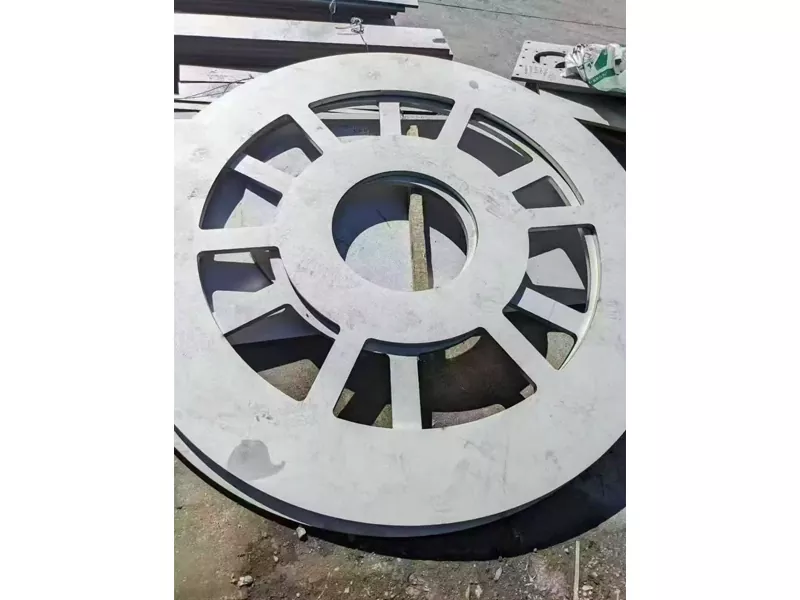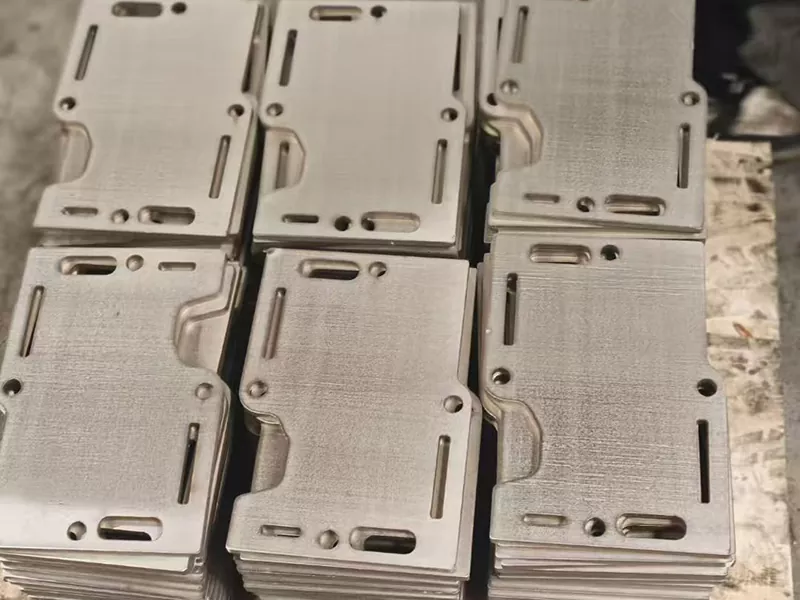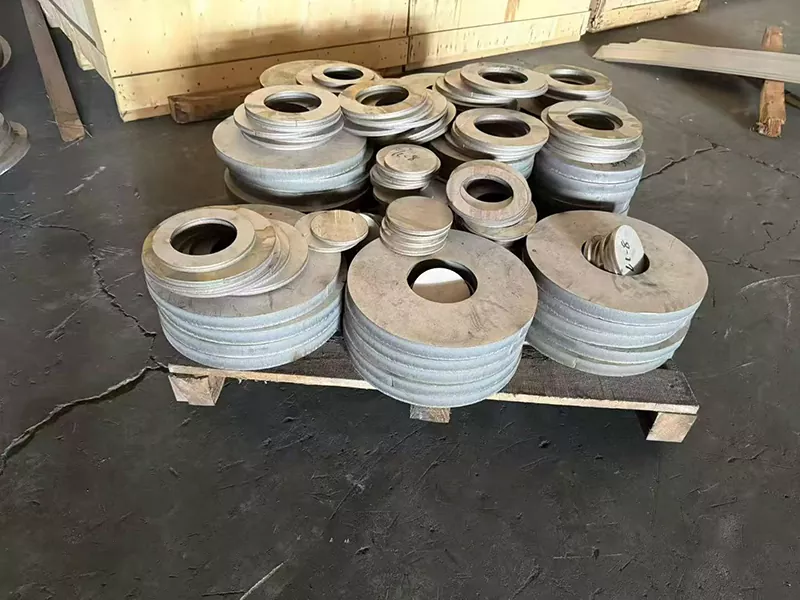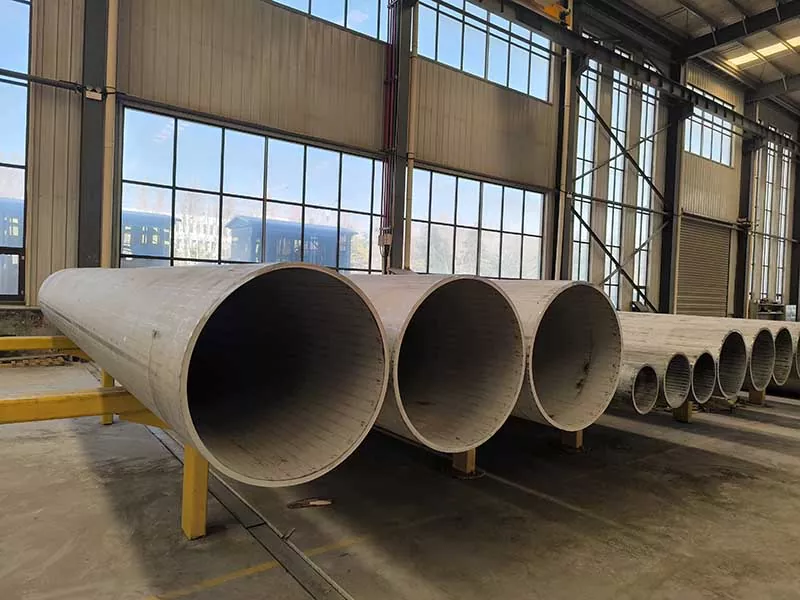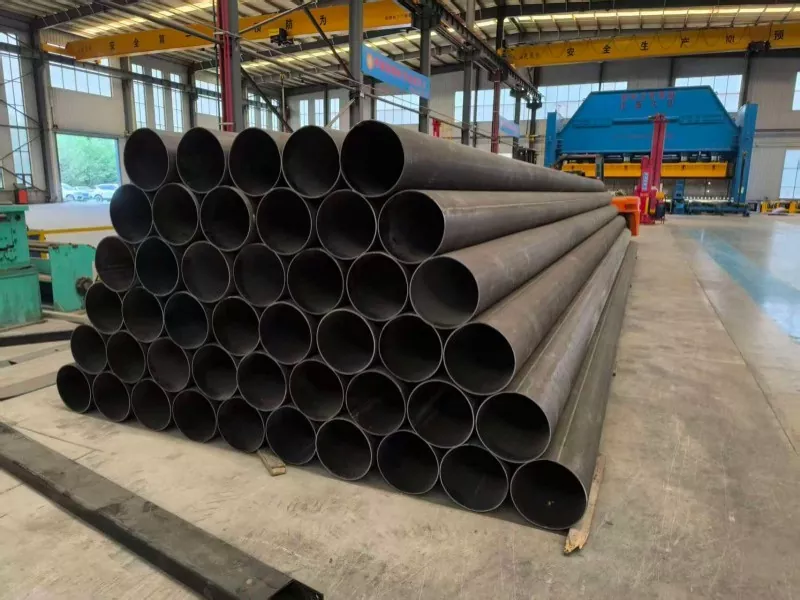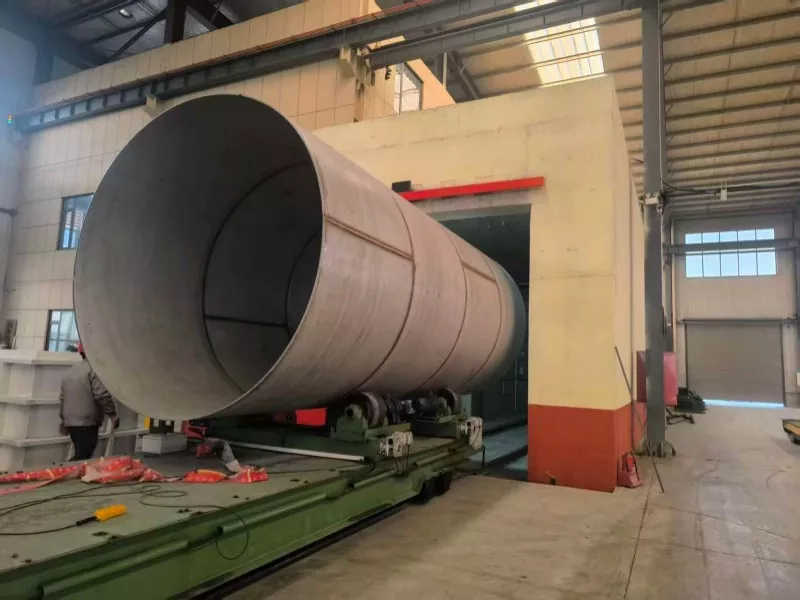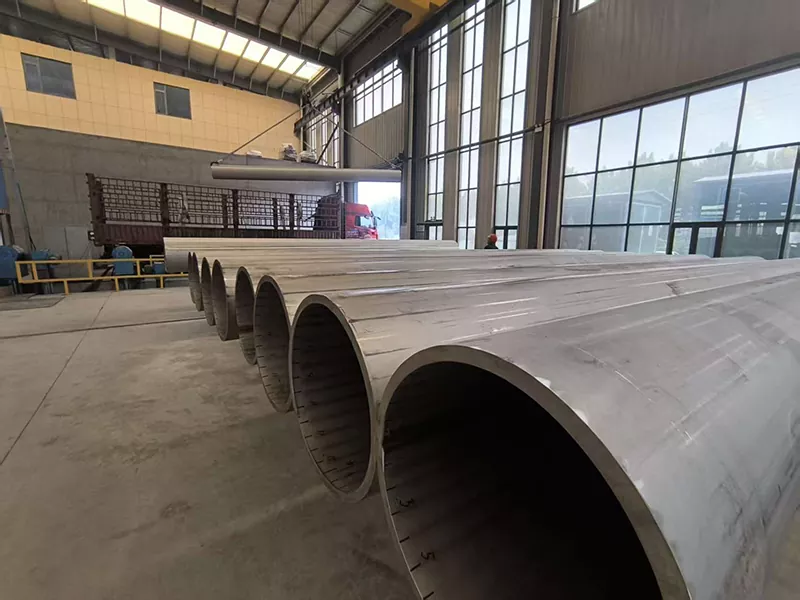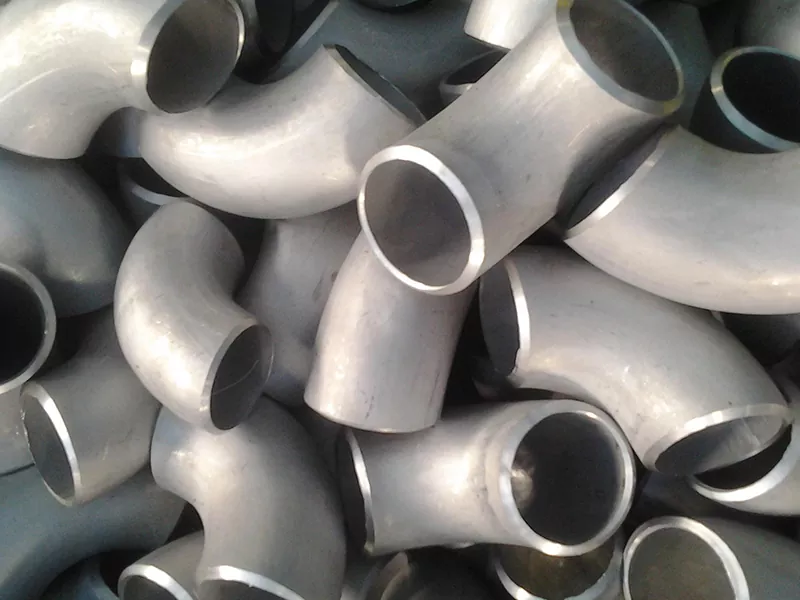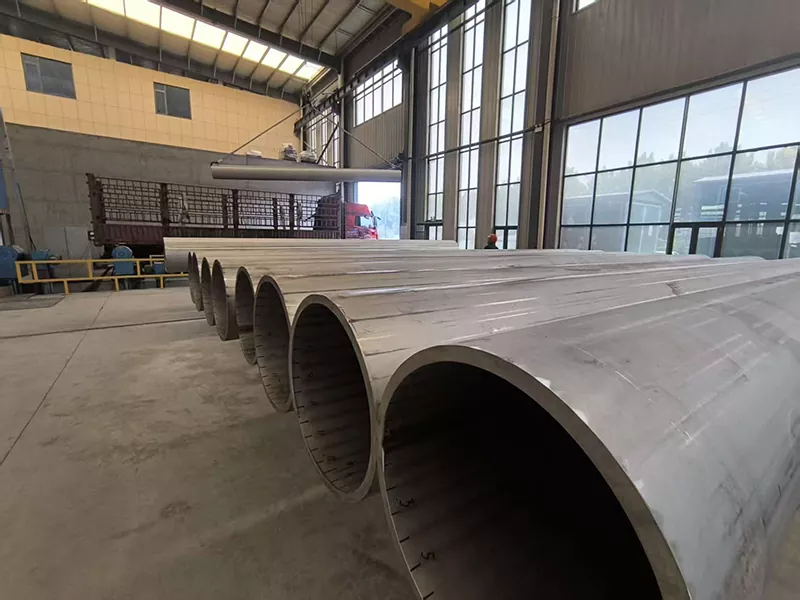
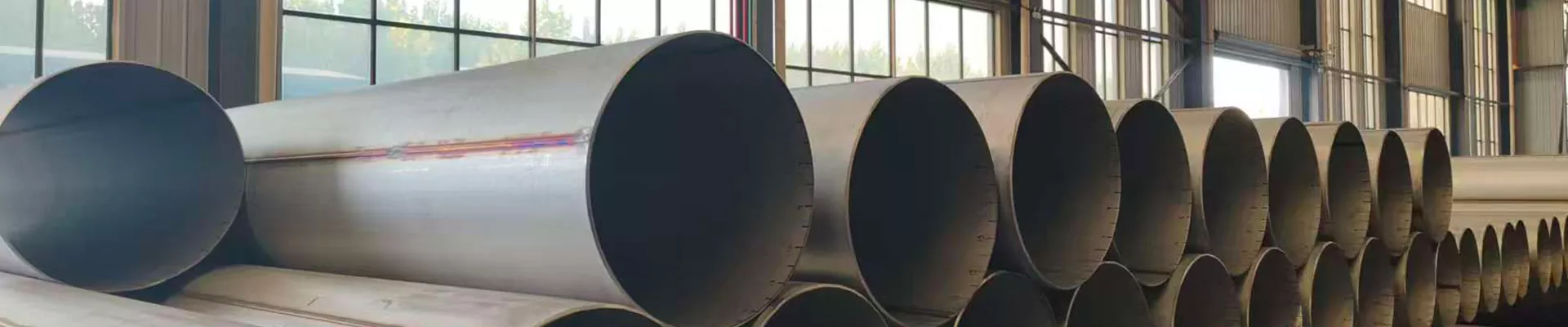
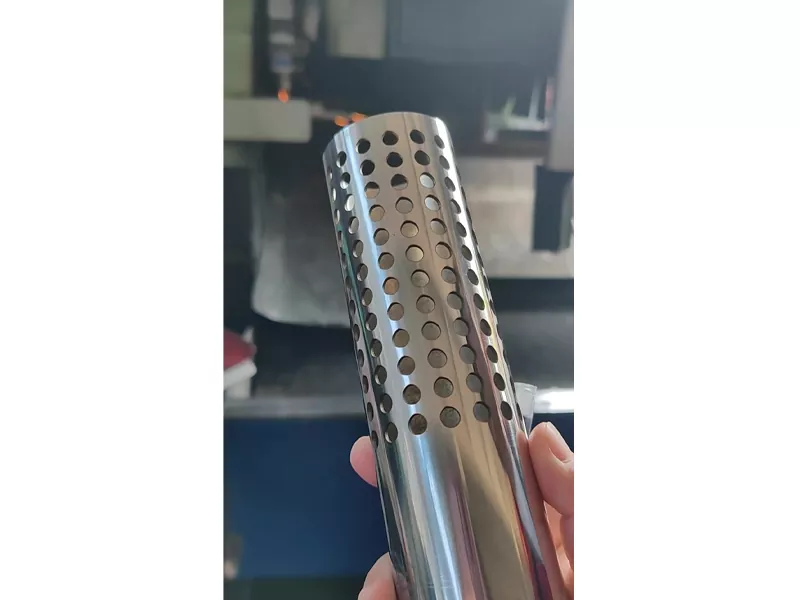
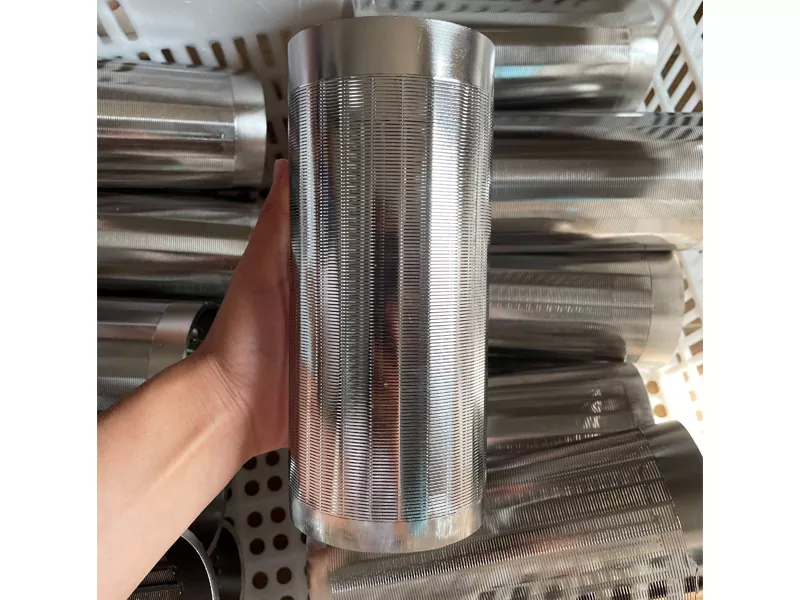
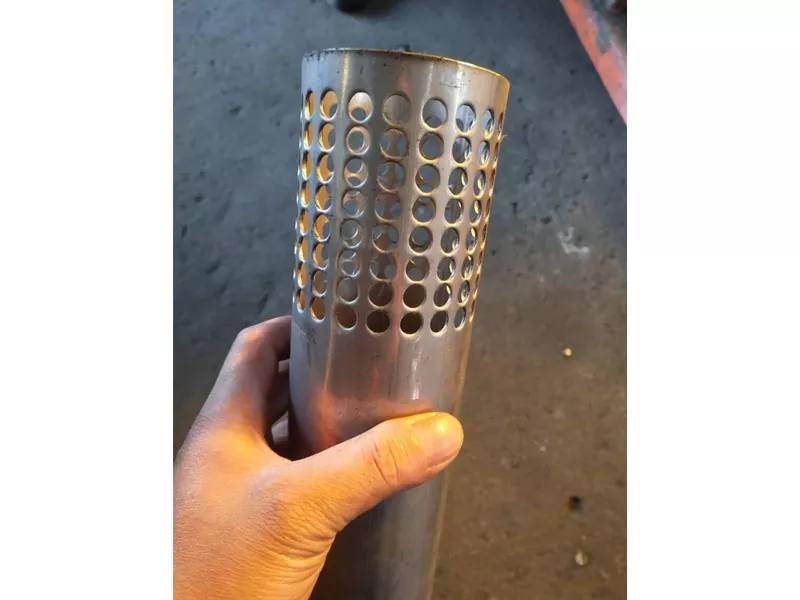
The Laser Cutting Stainless Steel Tube Services provided by Shiwang Pipe Industry Manufacturer is a specialized precision processing technology for the industrial manufacturing sector. It is specifically designed for common shapes such as circular, square, and rectangular stainless steel tubes, offering high-precision and customized cutting solutions. It is widely applicable to the diverse processing needs of pipe materials in various industries. Compared to traditional pipe cutting methods, this process, with its non-contact processing characteristics, can effectively avoid problems such as pipe deformation and surface damage, and is particularly suitable for scenarios with high requirements for size accuracy and appearance quality.
What is particularly noteworthy is that, thanks to the low heat impact characteristic of laser cutting, Shiwang Pipe Industry is able to achieve high-precision cutting while maximizing the structural integrity and mechanical properties of the stainless steel pipes themselves. This avoids the reduction in strength of the pipes due to thermal deformation and stress concentration, ensuring that the processed pipes can be directly used in subsequent assembly, welding and other processes, significantly shortening the overall production cycle for customers. It provides processing services that are both stable and efficient for industries such as aerospace, precision machinery, architectural decoration, and fluid equipment.
|
Item |
Description |
|
Material |
Stainless Steel |
|
Tube Shape |
Round / Square / Rectangular |
|
Tube Diameter |
Ø10 mm – Ø600 mm |
|
Wall Thickness |
1 mm – 20 mm |
|
Cutting Accuracy |
±0.1 mm |
|
Processing Method |
Laser Tube Cutting |
|
Production Mode |
OEM / Custom |
Material IntroductionStainless steel tubes such as 304, 316L, and duplex stainless steel provide excellent corrosion resistance, strength, and stability, making them suitable for laser cutting tube processing in industrial and structural applications.
Confirmation of pipe material specifications
After receiving the order from the customer for Laser Cutting Stainless Steel Tube Services, the first step was to conduct an accurate verification of the pipe specifications. Based on the drawing parameters provided by the customer and the requirements of the usage scenarios, the outer diameter, wall thickness, length, material grade (such as 304, 316 series), and customized cutting requirements of the stainless steel tubes were confirmed one by one. At the same time, the batch production cycle and delivery standards were communicated in real time, and a written confirmation list was formed to avoid affecting the subsequent production process due to specification deviations. This ensured the smoothness of the process from the very beginning.
Material inspection
Before entering the production stage, a comprehensive quality inspection is conducted on the incoming stainless steel pipes. Professional testing tools are used to verify the surface smoothness, absence of scratches, and no rust or other appearance quality of the pipes. At the same time, through methods such as spectral analysis and hardness testing, the material composition and mechanical properties are verified to ensure that the pipes meet the national industrial standards and the specific requirements of the customers. Any bad materials are immediately eliminated to prevent defective raw materials from flowing into the processing stage.
Laser tube cutting
Based on the confirmed specification parameters and cutting drawings, the qualified pipes are fixed on the special fixture, and the core parameters such as power, cutting speed, and focal length of the laser cutting equipment are debugged. Relying on the numerical control system for precise positioning of the cutting path, a high-power laser beam is activated to cut the pipes. Throughout the process, there is no contact with the surface of the pipes, effectively avoiding mechanical damage. At the same time, it can adapt to various processing requirements such as straight cutting, oblique cutting, and irregular cutting edges, ensuring the initial accuracy of the cutting edges.
Edge processing
After the cutting process is completed, immediate edge refinement treatment is carried out to remove any micro-bumps, slag deposits and oxide layers at the cutting edges. Through processes such as grinding, polishing and passivation, the pipe material cutting edges become smooth and flat without sharp corners, which not only enhances the appearance texture of the product but also avoids damage to components or operators during subsequent assembly, while also improving the corrosion resistance of the cutting edges and extending the product's service life.
Dimension measurement
Use high-precision measuring instruments (such as vernier calipers, laser rangefinders, projectors, etc.) to conduct full-size rechecks on the processed pipe materials. Inspect the key dimensions of the pipe materials one by one, such as the length, cutting angle, and hole diameter (if any). Compare the deviations with the initial drawing parameters and ensure that all indicators are within the allowable tolerance range. Unqualified products should be immediately reworked and processed to prevent non-conforming products from entering the next process.
Quality Control
Establish a complete quality control system throughout the entire process. In addition to the inspection of pre-materials and size measurement, a dedicated person is responsible for inspecting the cutting accuracy, edge treatment effect, and overall performance of the pipes. Sampling re-inspections are conducted on the products produced in batches to verify the consistency between the production records and the test data. At the same time, potential equipment errors and parameter fluctuations during the production process are identified and addressed, and a complete quality inspection report is formed to ensure that the qualified rate of the delivered products meets the standards.
Packaging and Transportation
A customized packaging solution is adopted based on the characteristics of stainless steel pipes. The pipes are wrapped with materials such as pearl cotton, bubble film, and waterproof winding film. Protective sleeves are added at both ends to prevent collisions, abrasions or rusting during transportation. The appropriate logistics method is selected according to the transportation distance and batch size. Measures are taken to prevent moisture and compression. Product labels, specification parameters and fragile warning labels are attached. The logistics status is tracked throughout the process to ensure the safe and punctual delivery of the products to the designated location of the customers.
Confirm tube size and cutting requirements before production
Ensure proper handling to avoid surface damage
Follow assembly drawings for installation
Inspect cut edges before final assembly
Laser-cut stainless steel tubes are protected with films and packed in wooden cases or pallets to ensure safe transportation. Customized packaging solutions are available.
After-Sales ServiceShiwang Pipe provides technical consultation, drawing review, and timely after-sales support to ensure smooth project execution.
Address
East Of Lijiaguanzhuang Village, Qingzhou Economic Development Zone, Weifang City, Shandong province
Tel