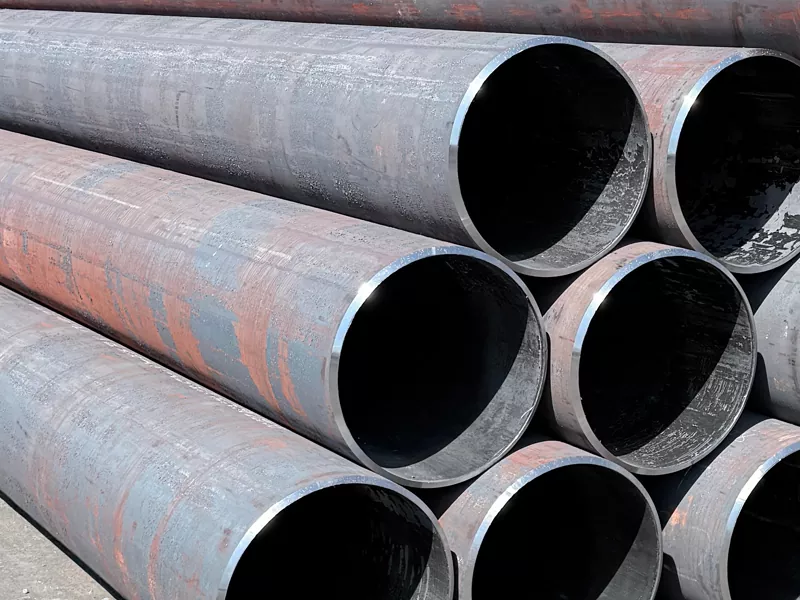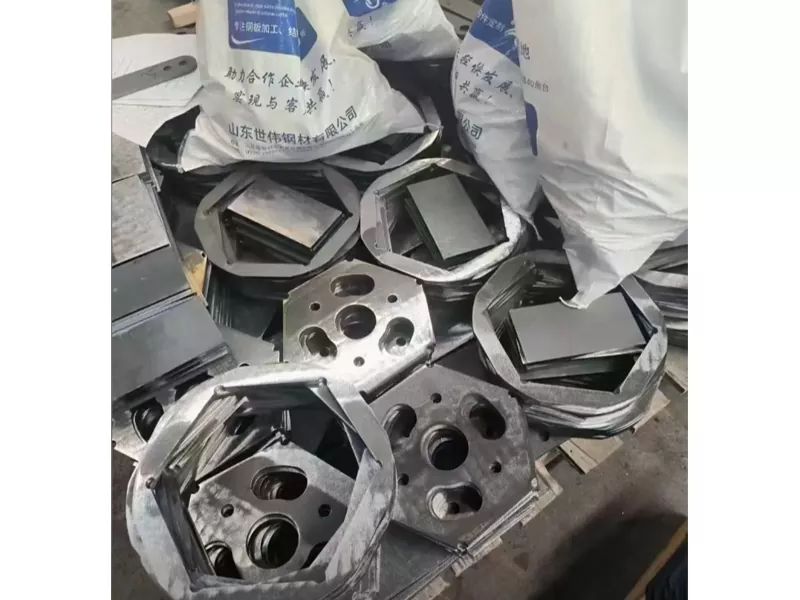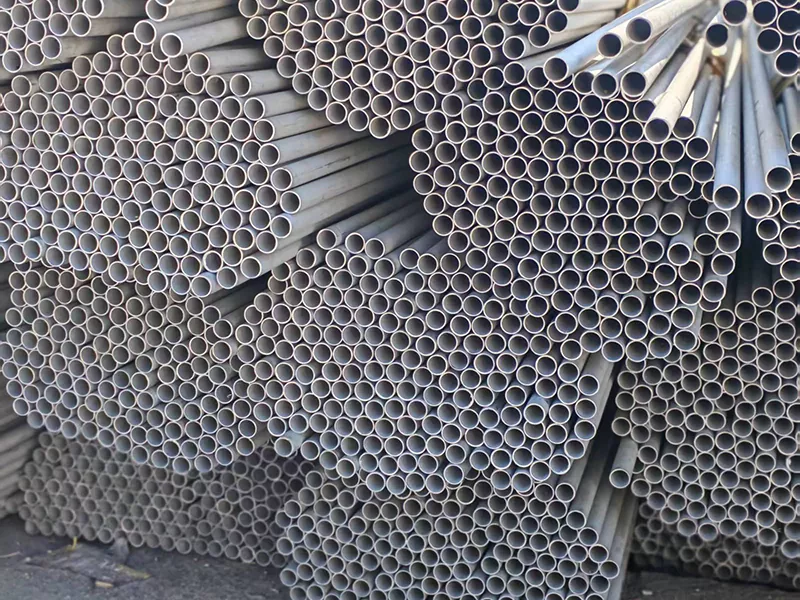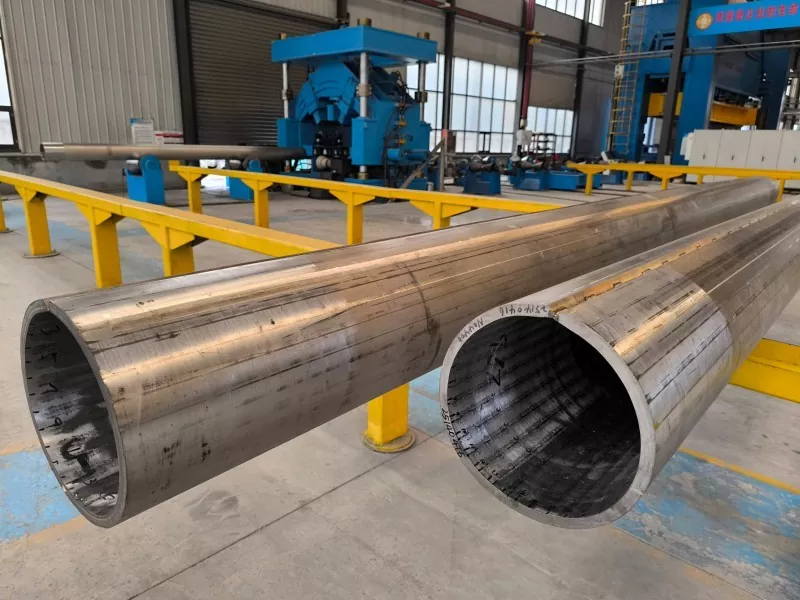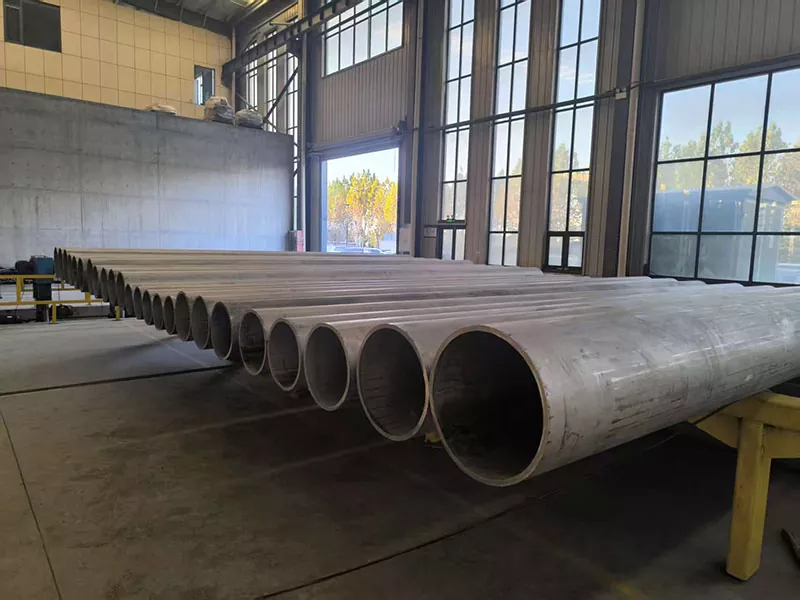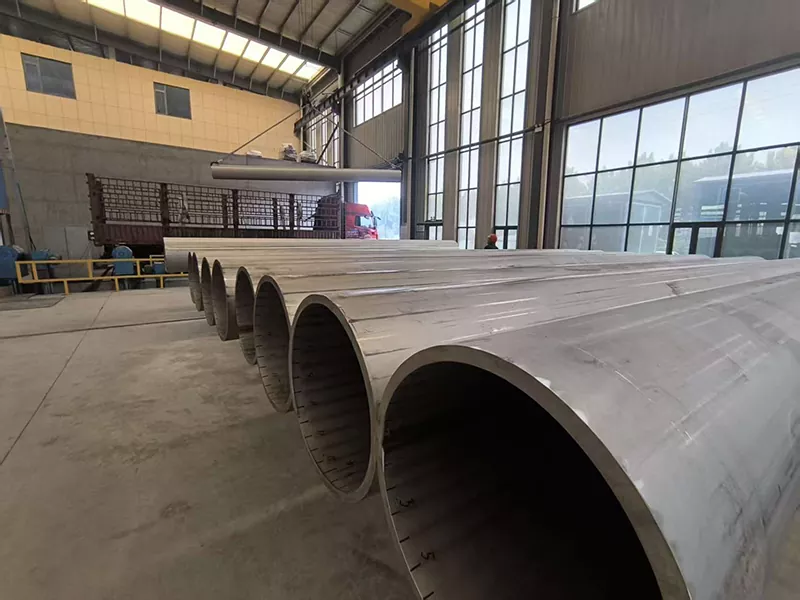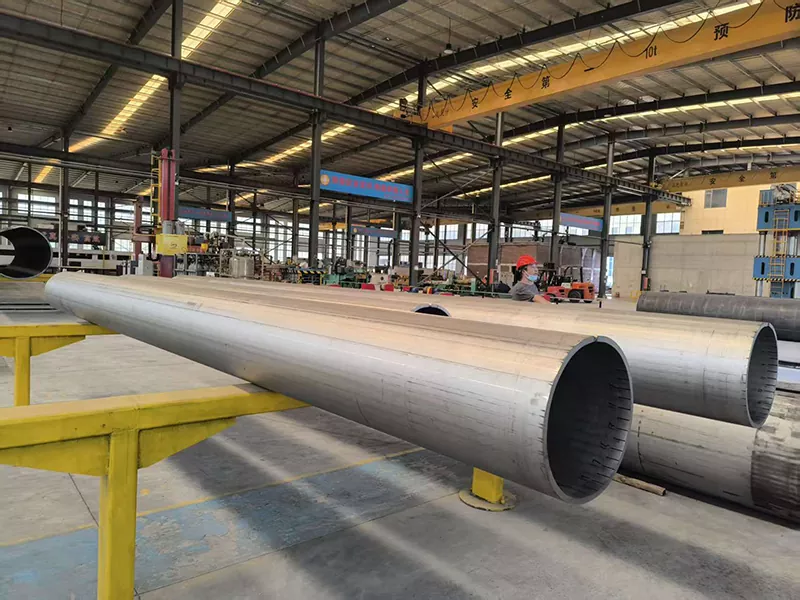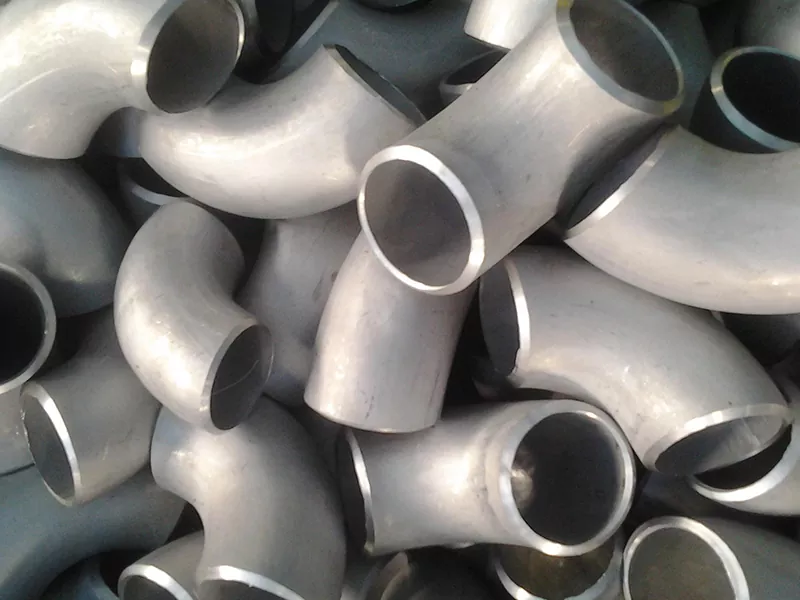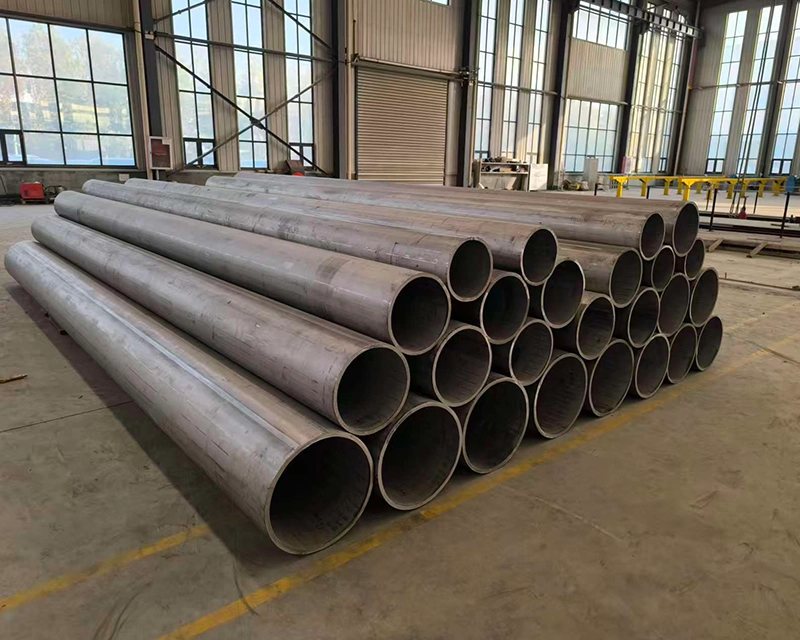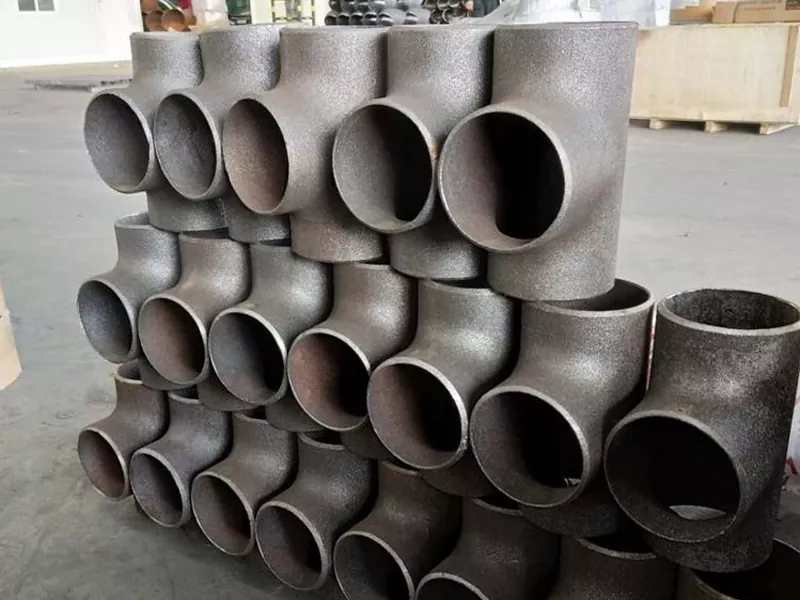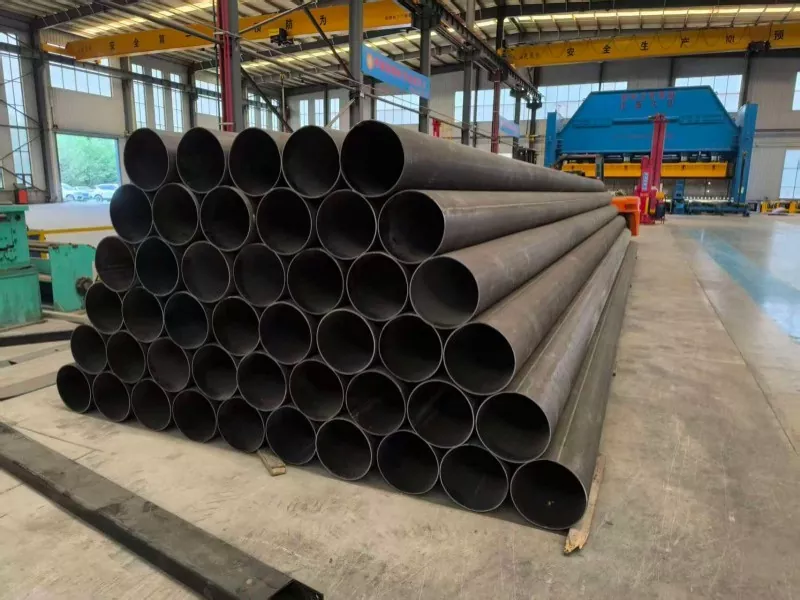
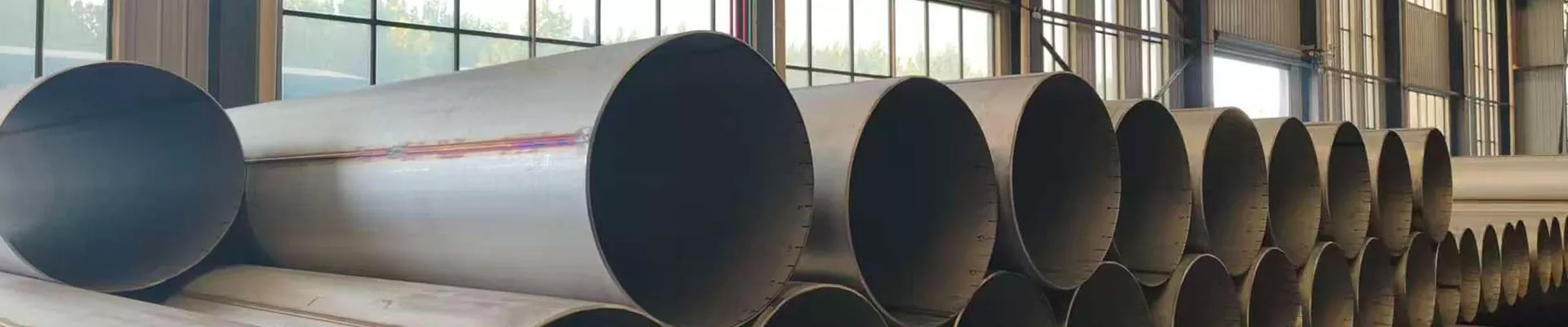
Stainless Steel Welded Pipe is formed by rolling stainless steel strip/sheet and welding the seam. Far from being a “second-class” alternative to seamless, modern welded pipe offers superior corrosion control, dimensional precision, and cost efficiency. In this comprehensive blog, brought to you by Shiwei Industry And Trade Group Co., Ltd., we tackle key questions: What makes welded stainless pipe reliable? Where does it outperform seamless? Which industries trust it most? We’ll explore grades, pros & cons, and even bust myths — all in a clear question‑driven format.
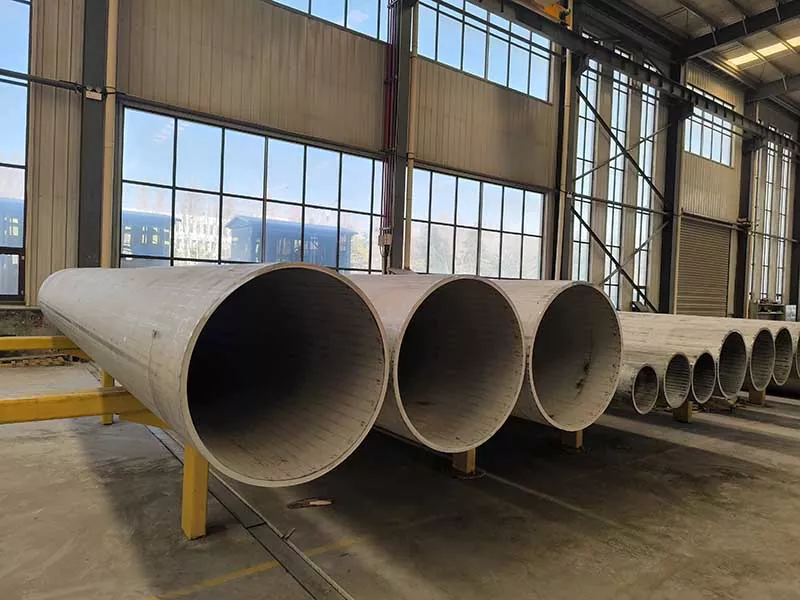
Stainless Steel Welded Pipe starts as a coil or plate of stainless steel, which is slit to width, continuously formed into a cylindrical shape, and then the abutting edges are fused together by an automated welding process (TIG, plasma, laser, or high-frequency induction). After welding, the bead may be removed or left, and the pipe is often heat-treated, pickled, or cold-worked. At Shiwei Industry And Trade Group Co., Ltd., our welded pipes undergo 100% hydrostatic or eddy current testing to ensure integrity. The key point: the weld seam, if properly made, can be as strong — or even stronger — than the base metal.
| 🔹 Cost efficiency | Welded pipe is 20–40% cheaper than seamless for equivalent diameters/wall thicknesses, especially in large dimensions. |
| 🔹 Dimensional precision | Cold forming ensures excellent concentricity, straightness, and uniform wall thickness. |
| 🔹 Wide size range | Large diameters (up to 120″ or more) are easily possible — seamless is limited by ingot size. |
| 🔹 Surface finish flexibility | 2B, BA, mirror polish, or pickled finishes are achievable, critical for hygienic/food industries. |
| 🔹 Shorter lead times | Production from coil is faster; no need for piercing or rotary rolling. |
For applications where pressure is not extreme (below Class 600), welded pipe from Shiwei Industry And Trade Group Co., Ltd. delivers uncompromised performance.
| Potential weak point — weld seam | If welding parameters drift, the seam can become susceptible to pitting or stress corrosion cracking. However, modern automated lines minimize this. |
| Not for extreme high pressure | For supercritical steam or deep-well applications, seamless is still mandated by codes like ASME B31.3. |
| Sensitization risk | Improper heat input can cause chromium carbide precipitation at grain boundaries (especially in 304/316), but stabilized grades (321, 347) or low-carbon (304L, 316L) solve this. |
| Aesthetic weld bead | For visible architectural uses, the seam may need mechanical blending, adding cost. |
Still, thanks to advanced welding at companies like Shiwei Industry And Trade Group Co., Ltd., these drawbacks are increasingly mitigated.
Shiwei Industry And Trade Group Co., Ltd. supplies welded pipes to all these sectors, with tailored end-finishes.
| 304/L | General purpose, food, chemical, moderate corrosion. Low-carbon (304L) avoids weld decay. |
| 316/L | Added molybdenum — better against chlorides (marine, pharmaceutical). |
| Duplex 2205 | Higher strength, excellent SCC resistance — offshore, desalination. |
| 904L / 6%Mo | Very high pitting resistance — aggressive FGD, phosphoric acid. |
Consult with Shiwei Industry And Trade Group Co., Ltd. for NACE MR0175 compliance if H₂S is present.
Initial cost: welded wins. But if the application involves cyclic fatigue at high temperatures, seamless may last longer. However, for 80% of industrial uses (water, low/medium pressure, structural), welded pipe’s life cycle cost is lower. At Shiwei Industry And Trade Group Co., Ltd., we offer LCA data supporting welded pipe for most projects. Always match the pipe to the environment, not to dogma.
Yes — if the wrong filler or excessive heat is used. But modern Stainless Steel Welded Pipe made by leading mills uses automatic welding with controlled heat input, plus solution annealing after welding to redissolve carbides. Low-carbon grades (304L, 316L) virtually eliminate sensitization. Shiwei Industry And Trade Group Co., Ltd. guarantees ASTM A249 / A312 compliance with ferrite number control for duplex.
📚 References & further reading
Shiwei Industry And Trade Group Co., Ltd. offers certified welded pipes in 304/304L, 316/316L, duplex, and super austenitic grades — custom sizes, fast delivery, and full mill support.
📞 Contact us today for a quote or free consultation