In modern oil, gas, and petrochemical transportation systems, maintaining pipeline integrity and efficiency is critical. One specialized fitting widely used in piggable pipeline systems is the Barred Tee. This component prevents pipeline pigs from entering branch pipelines while allowing fluids to flow smoothly through the system.
This comprehensive guide explores what a Barred Tee is, how it works, its design structure, applications, advantages, and how to select the right specification for industrial pipeline systems. We also discuss how manufacturers like Shiwang provide reliable pipeline components designed to meet international standards.
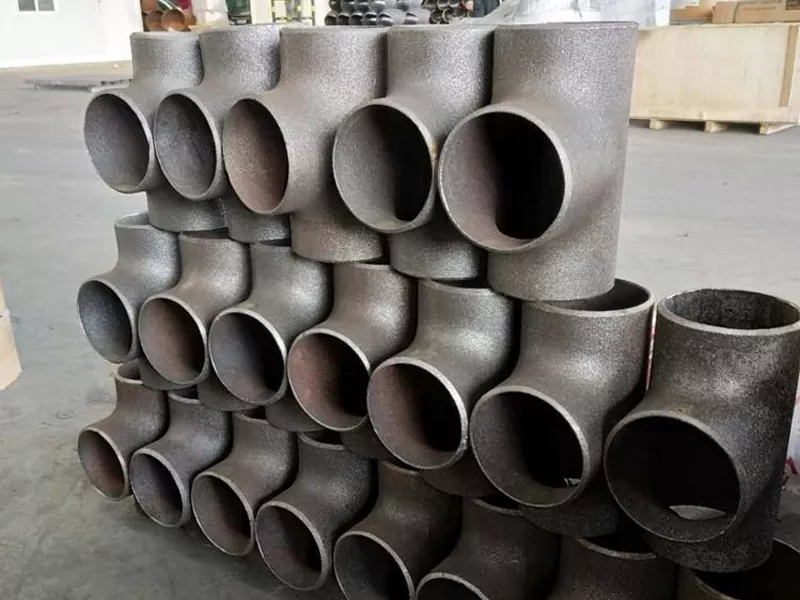
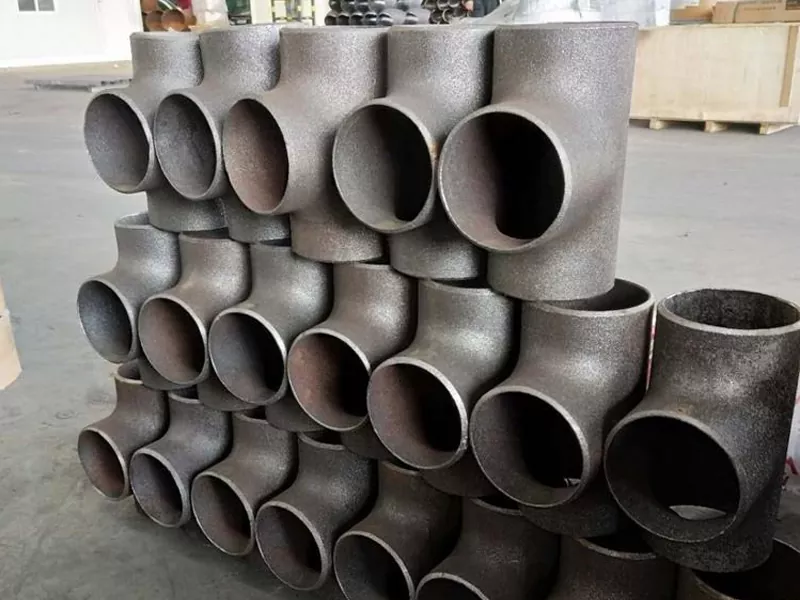
A Barred Tee is a special type of pipe tee fitting used in pipeline systems that require pigging operations. It includes internal bars welded across the branch opening to prevent pipeline pigs from entering side branches.
Pipeline pigs are mechanical devices used for cleaning, inspection, and maintenance of pipelines. When pigs travel through a pipeline, they must remain in the main pipeline route. Without proper protection, pigs may accidentally enter branch lines, causing blockages or operational failures.
The bars inside the tee act as a protective barrier that allows fluid flow while blocking pigs from entering the branch.
Barred tees are commonly used in:
Industrial pipeline manufacturers such as Shiwang produce high-quality barred tees designed to meet strict pressure and corrosion resistance requirements.
Pigging systems are critical for maintaining pipeline efficiency. However, branch pipelines introduce operational risks when pigs travel through the system.
Barred tees play a vital role in preventing several potential problems:
Without barred tees, pigging operations could become unreliable and dangerous, especially in complex pipeline networks.
The working principle of a barred tee is simple yet highly effective.
Inside the branch outlet of the tee, several steel bars are welded in parallel or cross patterns. These bars allow fluid to pass through while blocking larger objects like pigs.
The design ensures:
During pigging operations:
This simple mechanical barrier protects both the pig and the pipeline infrastructure.
A barred tee consists of several important structural elements that ensure strength, reliability, and durability.
| Component | Description |
|---|---|
| Main Run Pipe | The primary pipeline where pigs travel |
| Branch Outlet | The secondary pipe connection |
| Internal Bars | Steel rods welded across the branch opening |
| Welded Connections | High-strength welds ensuring structural integrity |
| Reinforcement Area | Extra thickness to withstand high pressure |
The internal bars are carefully spaced to ensure fluid flow is not restricted while still preventing pigs from entering the branch.
Barred tees come in different configurations depending on pipeline design requirements.
Companies like Shiwang can also produce customized barred tees to meet special engineering requirements.
Material selection is crucial for ensuring pipeline safety and durability.
| Material | Typical Application |
|---|---|
| Carbon Steel | Oil and gas pipelines |
| Stainless Steel | Corrosive environments |
| Alloy Steel | High-temperature and high-pressure systems |
| Duplex Stainless Steel | Offshore pipelines |
High-quality manufacturers such as Shiwang ensure materials meet international standards like ASTM, ASME, and API specifications.
Barred tees are widely used in industries where pipelines must remain piggable.
Their ability to prevent pig misrouting makes them essential components in modern pipeline infrastructure.
Using barred tees offers several operational and economic benefits.
These advantages make barred tees a standard design element in piggable pipeline systems.
| Feature | Barred Tee | Standard Tee |
|---|---|---|
| Internal Bars | Yes | No |
| Used in Pigging Systems | Yes | No |
| Prevents Pig Entry | Yes | No |
| Typical Applications | Oil and gas pipelines | General piping systems |
This comparison clearly shows why barred tees are essential in piggable pipelines.
Choosing the correct barred tee depends on several engineering considerations.
Consulting experienced manufacturers like Shiwang ensures that the barred tee design meets the technical requirements of your pipeline project.
Proper installation ensures the long-term performance of barred tees.
A barred tee prevents pipeline pigs from entering branch pipelines while allowing fluid to flow through the branch connection.
They are commonly used in oil and gas pipelines, refineries, petrochemical plants, and any piggable pipeline system.
No. The bars are designed to allow fluid flow while blocking pigs, minimizing pressure loss.
Yes. Manufacturers like Shiwang provide customized barred tee designs based on pipeline diameter, pig size, and pressure requirements.
They typically comply with standards such as ASME, ASTM, and API depending on the application.
Barred tees are a critical component in piggable pipeline systems. By preventing pigs from entering branch lines, they ensure safe and efficient pipeline operations across industries such as oil, gas, and petrochemicals.
Their specialized design, durable materials, and operational reliability make them essential in modern pipeline infrastructure.
If you are looking for high-quality pipeline fittings including barred tees, Shiwang provides professional manufacturing solutions designed to meet international standards and demanding industrial environments.
For product details, technical specifications, or customized pipeline solutions, contact us today to learn how we can support your pipeline engineering projects.