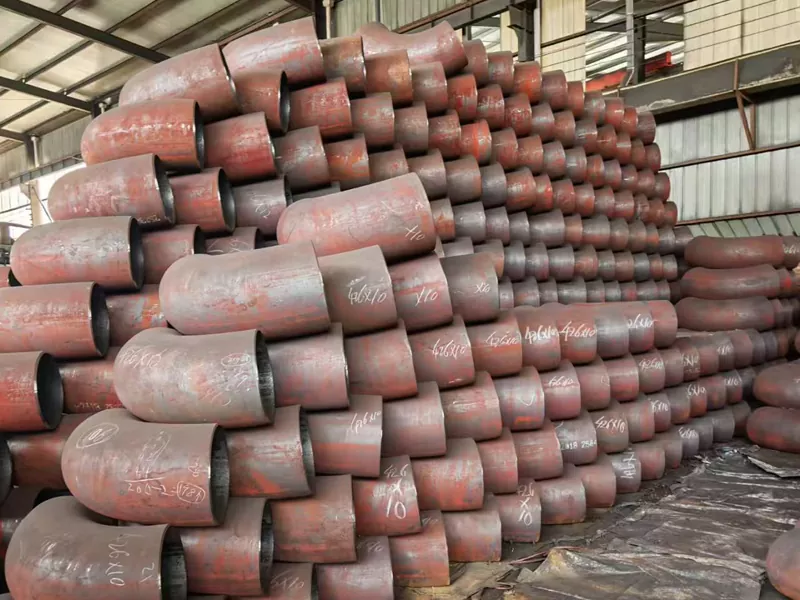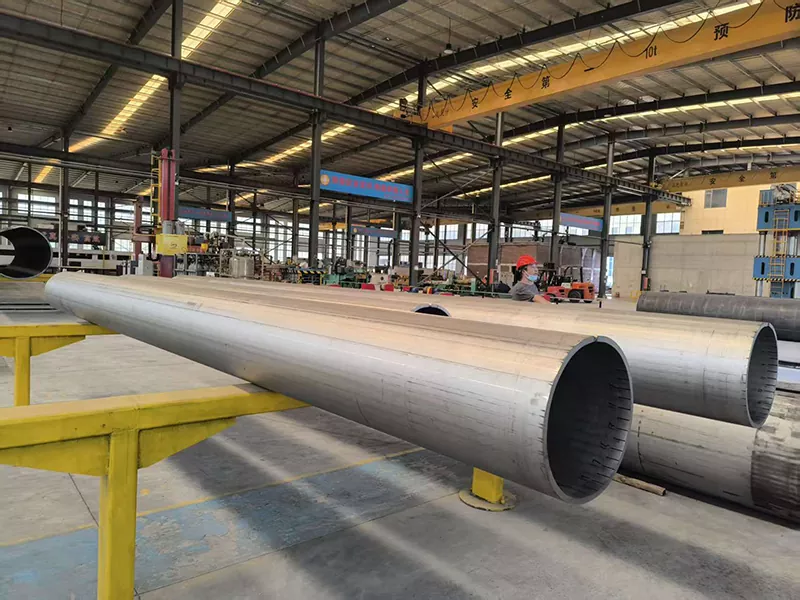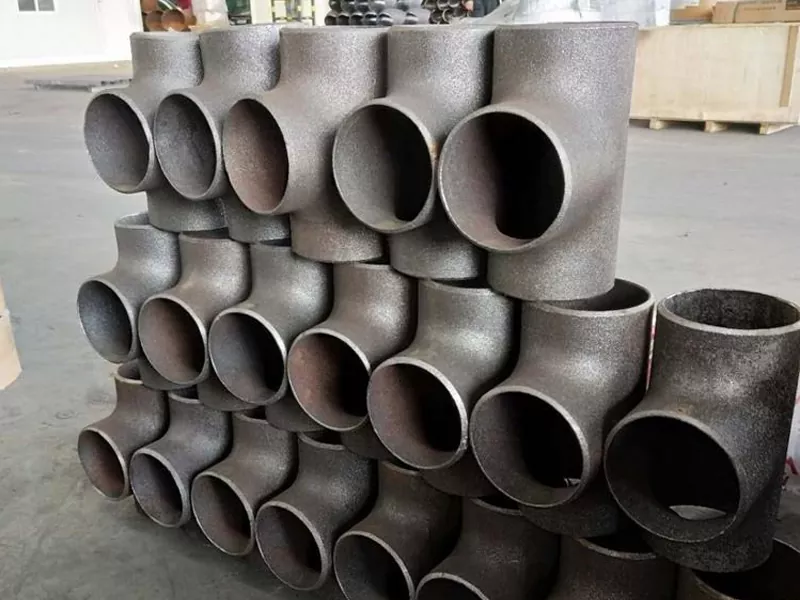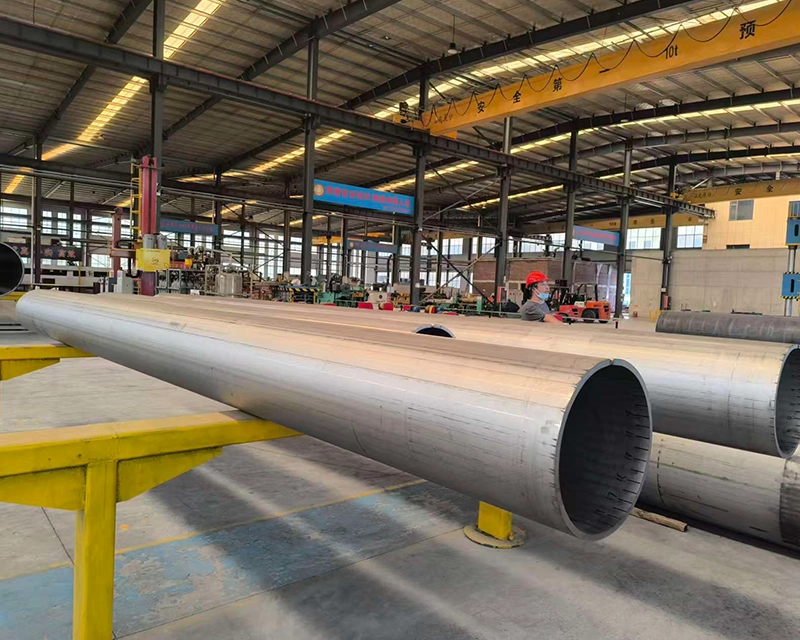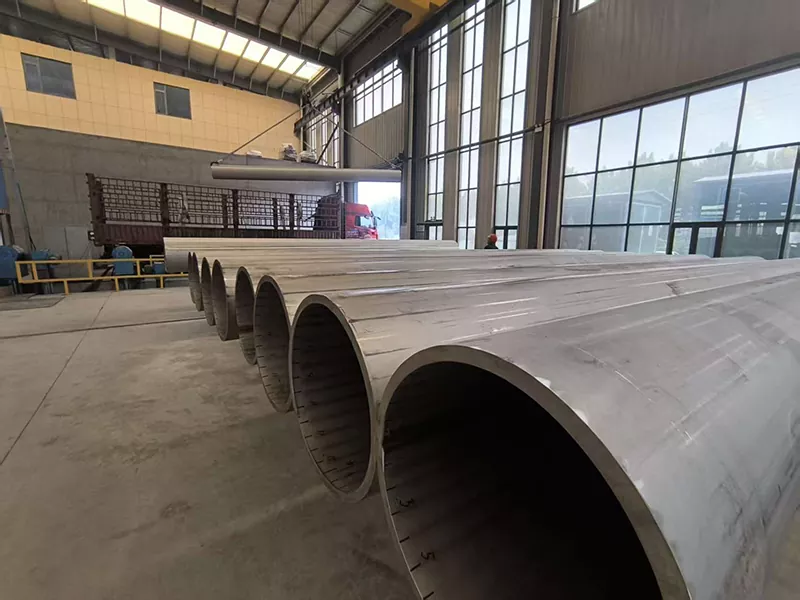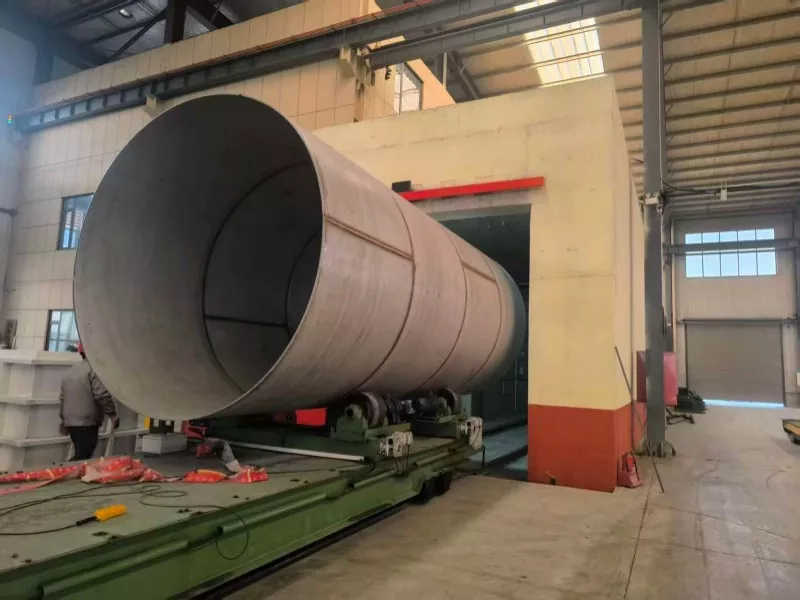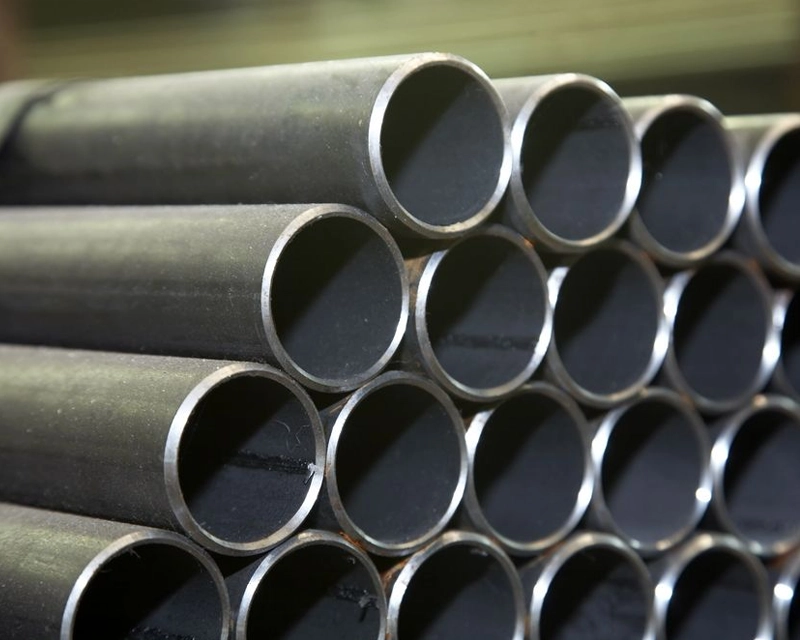
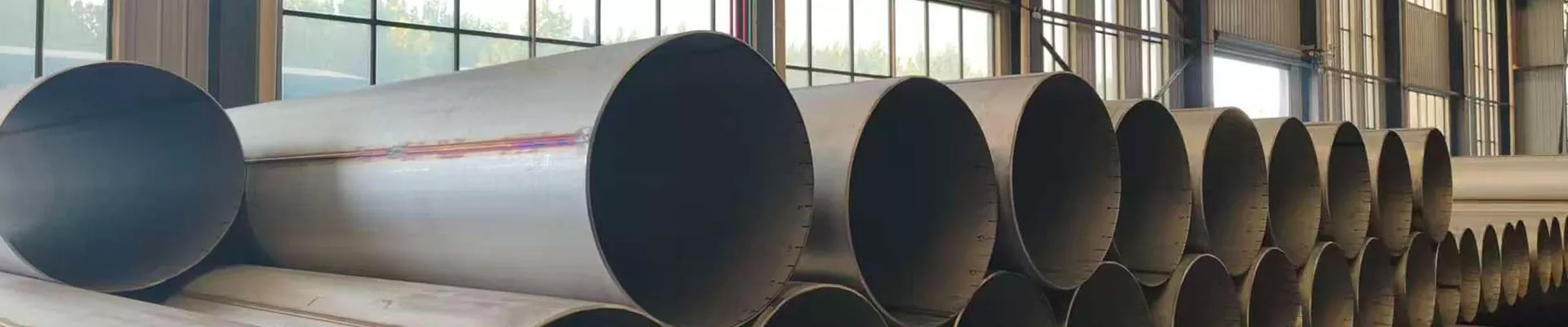
Titanium Alloy Welded Pipe has become a critical material in industries that demand superior corrosion resistance, lightweight strength, and long service life. From chemical processing plants to offshore oil platforms and power generation facilities, titanium welded tubing delivers exceptional performance under extreme conditions. This comprehensive guide explores material grades, manufacturing processes, applications, performance advantages, comparison with seamless pipes, inspection standards, and buying considerations. Whether you are an engineer, procurement manager, or project consultant, this article provides actionable insights to help you select the right titanium alloy welded pipe solution.
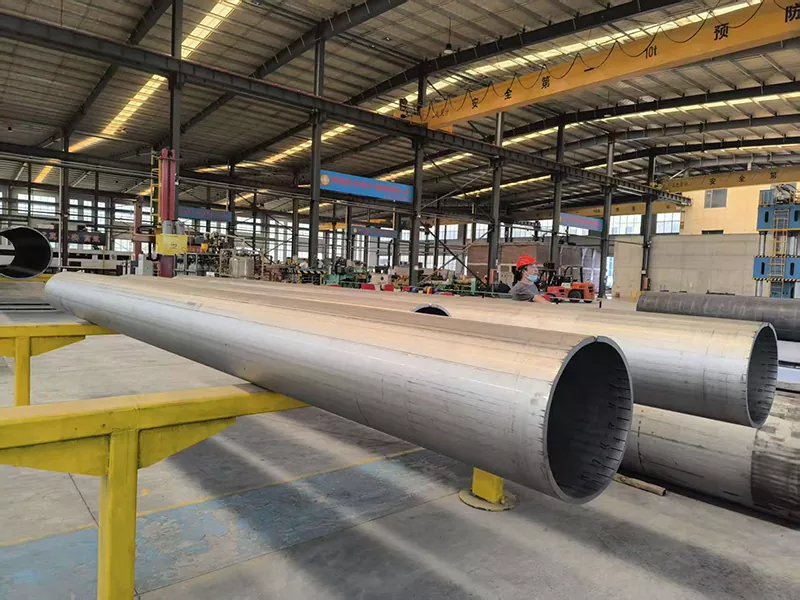
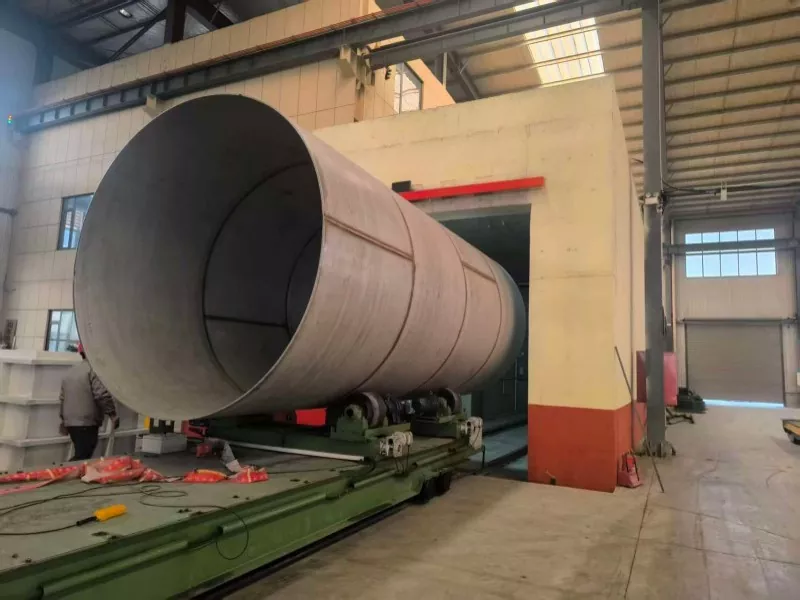
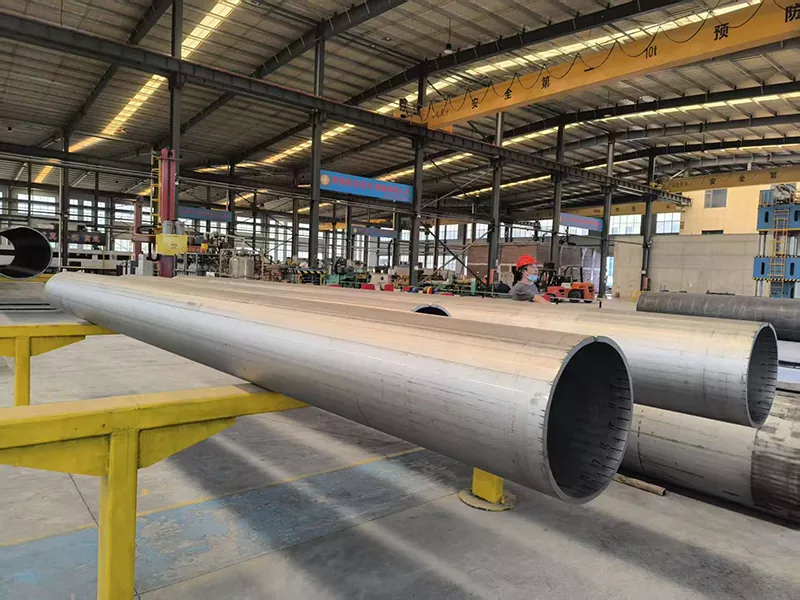
Titanium Alloy Welded Pipe is produced by forming titanium alloy strips or plates into tubular shapes and welding the seam using advanced welding technologies such as TIG or laser welding. These pipes are widely used where corrosion resistance, strength-to-weight ratio, and durability are critical.
Compared with traditional stainless steel or carbon steel pipes, titanium alloy welded pipes offer significantly improved resistance to seawater, acids, chlorides, and extreme temperatures. Their lightweight properties also reduce structural loads in offshore and aerospace environments.
The titanium strip is gradually rolled into a cylindrical shape using precision forming equipment. Dimensional tolerance is carefully controlled to ensure consistent wall thickness.
Inert gas protection is critical during welding to prevent contamination and oxidation of titanium.
Different titanium grades are selected based on corrosion resistance, strength, and application requirements.
| Grade | Type | Main Characteristics | Typical Applications |
|---|---|---|---|
| Grade 1 | Commercially Pure | Excellent corrosion resistance, high ductility | Chemical processing |
| Grade 2 | Commercially Pure | Best strength-to-weight ratio | Heat exchangers |
| Grade 5 (Ti-6Al-4V) | Alloy | High strength, aerospace-grade | Aerospace, offshore |
| Grade 7 | Alloy | Enhanced corrosion resistance | Chloride environments |
Compliance with standards such as ASTM B338, ASTM B862, and ASME specifications ensures reliability in critical environments.
Titanium forms a stable oxide layer that protects against corrosion, especially in seawater and chloride-rich environments.
Titanium has a density approximately 60% that of steel while maintaining comparable strength.
Titanium piping systems often exceed 20–30 years of operation with minimal maintenance.
Titanium alloy welded pipes are widely used for handling corrosive acids, chlorides, and high-temperature fluids.
Resistance to seawater corrosion makes titanium pipes ideal for offshore platforms and desalination plants.
Used in condensers and heat exchangers for improved thermal performance.
Lightweight and high strength properties support structural and hydraulic systems.
| Criteria | Welded Pipe | Seamless Pipe |
|---|---|---|
| Cost | More economical | Higher |
| Wall Thickness Control | Excellent consistency | Moderate |
| Availability | Wide size range | Limited sizes |
| Mechanical Strength | Comparable | High |
Modern welding technology ensures that welded titanium pipes meet stringent industrial standards.
Reliable manufacturers like Shiwang implement comprehensive quality control systems to guarantee performance and compliance.
Partnering with an experienced supplier ensures proper grade selection, customized sizing, and technical support.
Yes. With modern welding techniques and proper heat treatment, welded pipes can achieve mechanical performance comparable to seamless pipes.
Chemical processing, marine engineering, offshore oil & gas, aerospace, and power generation industries benefit significantly.
In corrosive environments, service life can exceed several decades with minimal maintenance.
Yes. Titanium is recyclable and reduces long-term environmental impact due to durability.
Titanium Alloy Welded Pipe represents the future of high-performance piping systems. Its unmatched corrosion resistance, strength-to-weight ratio, and long-term cost efficiency make it ideal for demanding industrial environments. From chemical plants to offshore platforms, the adoption of titanium welded tubing continues to expand as industries seek reliability and sustainability.
If you are planning a project that demands superior durability and corrosion resistance, partnering with an experienced manufacturer like Shiwang ensures premium material quality, strict inspection standards, and professional technical support.
Ready to upgrade your piping system with high-performance titanium alloy welded pipes? Contact us today to discuss your specifications, request a quotation, and receive expert consultation tailored to your industry needs.