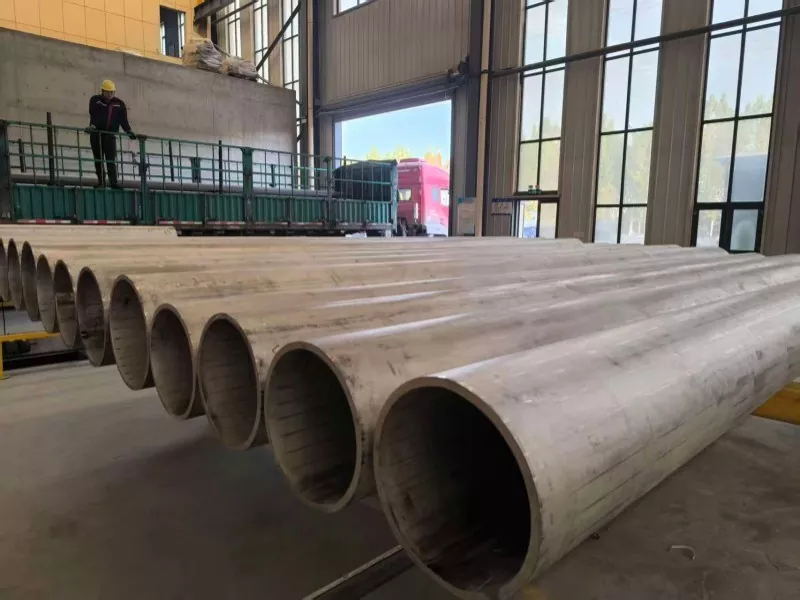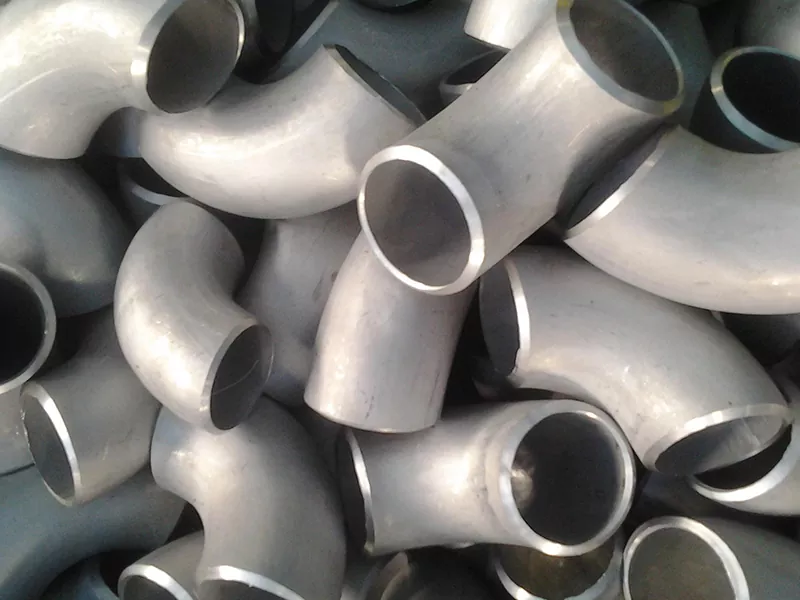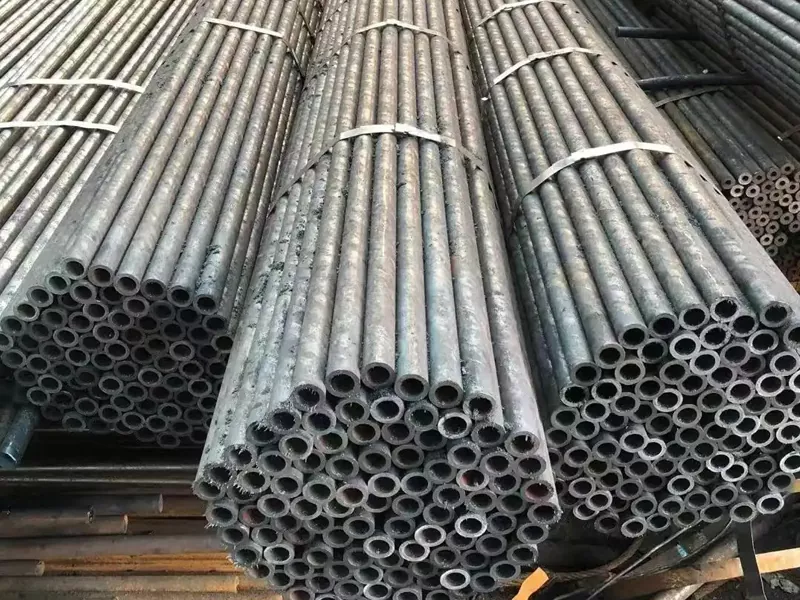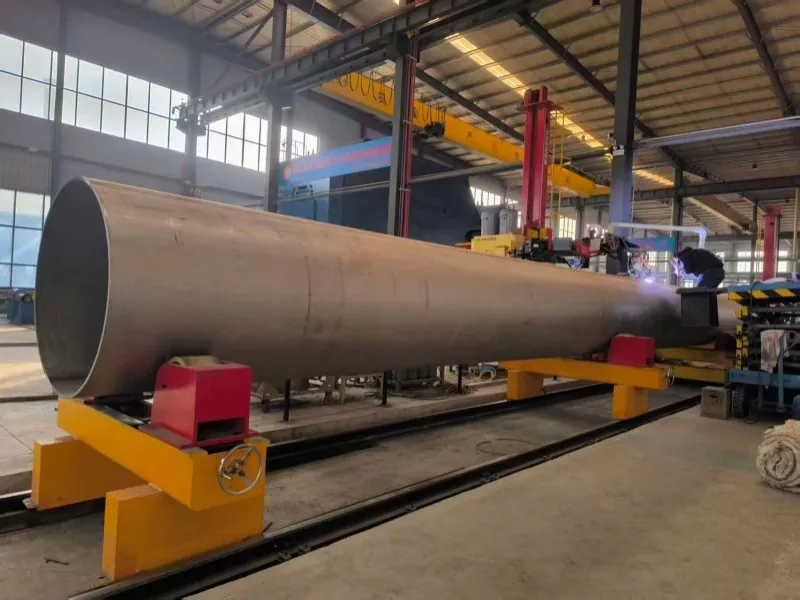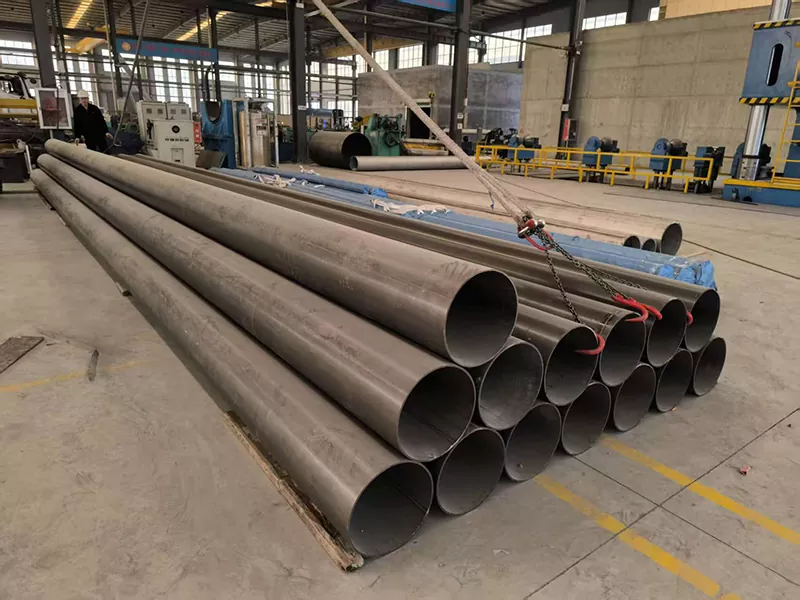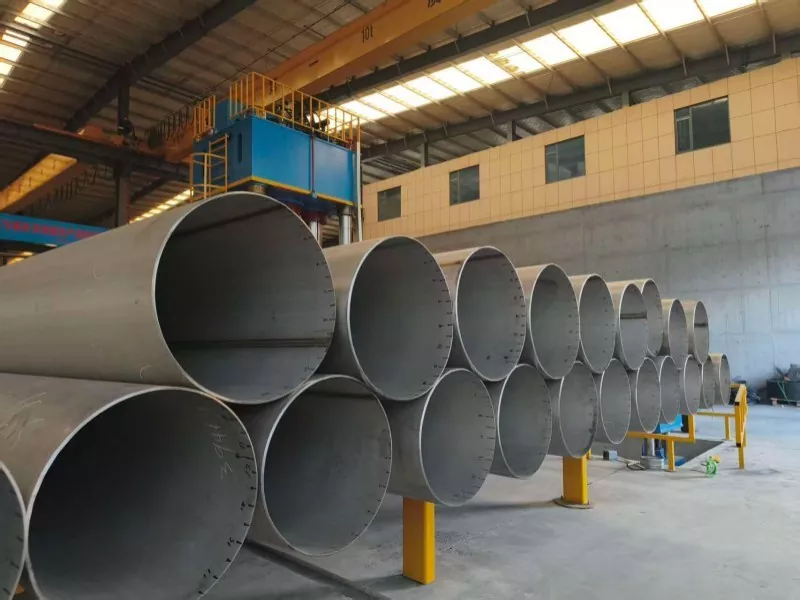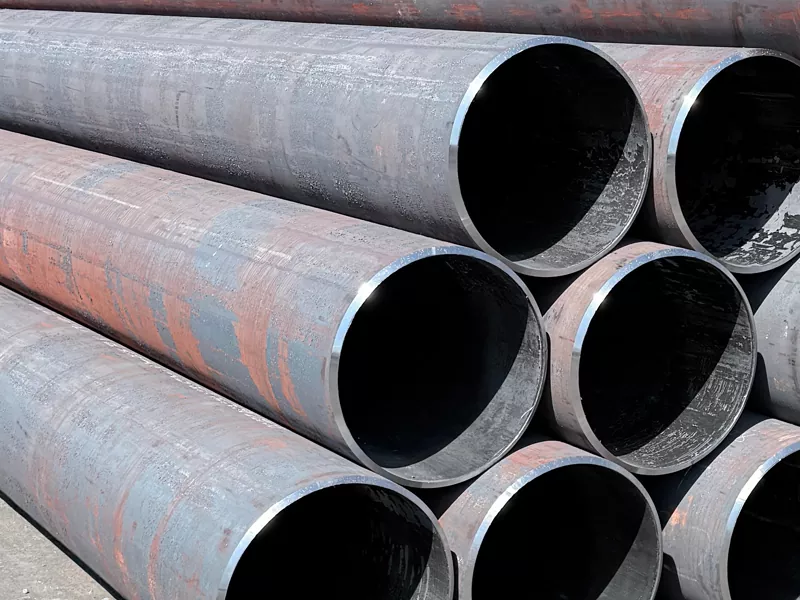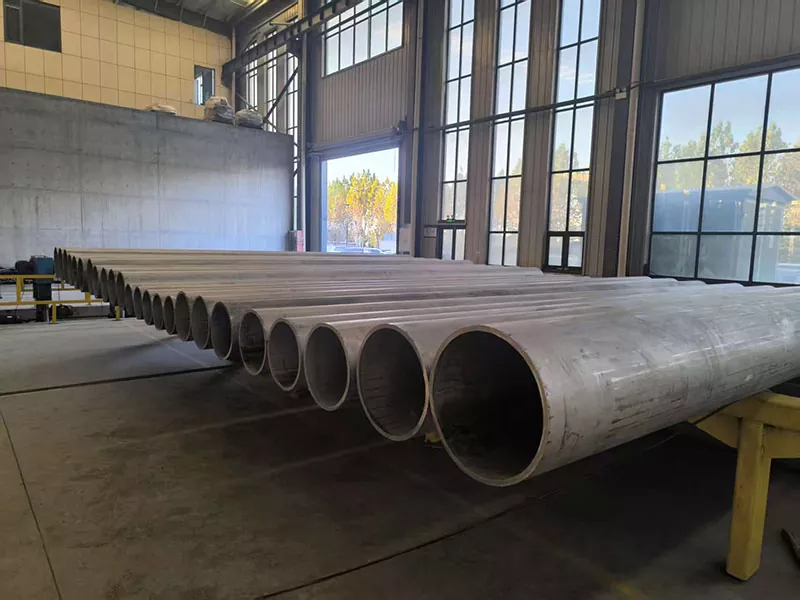
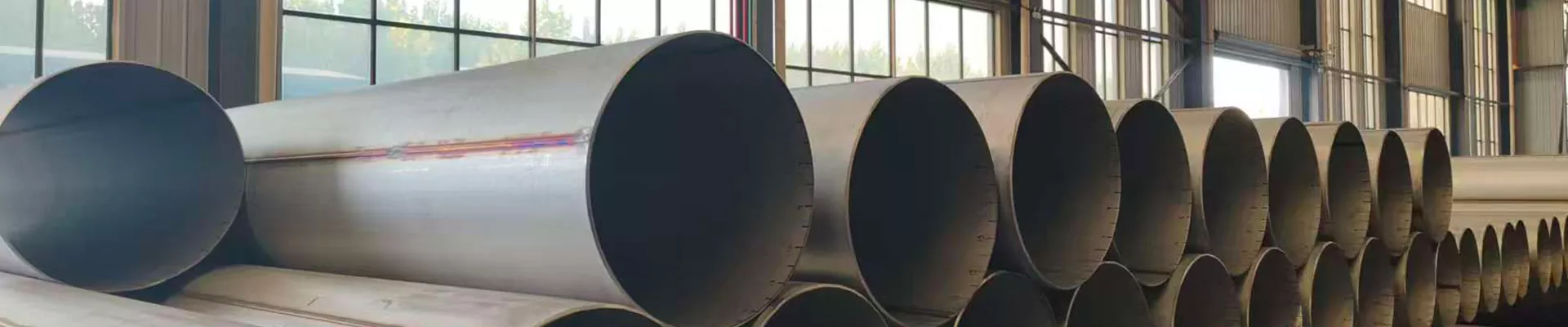
In modern water infrastructure, the choice of piping material directly impacts long-term reliability and safety. Our water processing stainless welded steel tube range is engineered to exceed industry standards, delivering exceptional corrosion resistance in chlorinated and aggressive water environments. For critical applications requiring uncompromised purity, the water treatment grade stainless steel tubing provides a smooth, crevice-free interior that minimizes biofilm formation. Equally versatile is our welded stainless pipe for water purification, designed for high-flow distribution networks where hygiene is non-negotiable. Rounding out the portfolio, the aquatic treatment stainless welded conduit is specifically calibrated for wastewater and industrial process water, handling fluctuating pH and temperature swings without degradation. Every tube is manufactured using automated longitudinal welding with in-line annealing, ensuring consistent mechanical properties along the entire length.
The Water system stainless steel welded tube stands out through precision dimensional control and a complete absence of heavy metal leaching. From municipal drinking water plants to pharmaceutical-grade distribution loops, these tubes maintain structural integrity under continuous operating pressures up to 25 bar. The welding process employs gas tungsten arc welding (GTAW) without filler metal, producing a fusion zone that matches the parent material’s strength. Post-weld bright annealing restores the passive chromium oxide layer, guaranteeing a surface roughness typically below 0.8 µm Ra. This level of finish not only optimizes flow dynamics but also drastically reduces maintenance cycles compared to carbon steel or plastic alternatives. Whether installed above ground or buried, the product’s resistance to pitting and crevice corrosion translates to a service life exceeding 50 years in properly managed water chemistries.
| Nominal Diameter (DN) | O.D. Tolerance (mm) | W.T. Tolerance (%) | Max Working Pressure (bar) at 20°C – 316L | Burst Pressure (bar) |
|---|---|---|---|---|
| DN15 (½") | ±0.10 | ±10 | 150 | 380 |
| DN25 (1") | ±0.15 | ±10 | 120 | 300 |
| DN50 (2") | ±0.20 | ±10 | 85 | 210 |
| DN80 (3") | ±0.30 | ±10 | 65 | 160 |
| DN100 (4") | ±0.40 | ±10 | 50 | 125 |
| DN150 (6") | ±0.60 | ±12.5 | 40 | 100 |
All pressure ratings calculated according to ASME B31.3 with a safety factor of 4. Values for duplex 2205 are approximately 30% higher.
| Element | 304L (%) | 316L (%) | 2205 (%) |
|---|---|---|---|
| C (max) | 0.03 | 0.03 | 0.03 |
| Mn (max) | 2.00 | 2.00 | 2.00 |
| Si (max) | 1.00 | 1.00 | 1.00 |
| Cr | 18.0–20.0 | 16.0–18.0 | 22.0–23.0 |
| Ni | 8.0–12.0 | 10.0–14.0 | 4.5–6.5 |
| Mo | — | 2.0–3.0 | 3.0–3.5 |
| N | — | — | 0.14–0.20 |
| PREN (min) | 18 | 24 | 34 |
For chlorinated water applications above 2 ppm free chlorine, we recommend 316L or duplex grades to prevent stress corrosion cracking. The extra-low carbon content in 304L and 316L eliminates sensitization during welding, preserving intergranular corrosion resistance in as-welded condition. Tubes are supplied with full traceability from heat number to final delivery.