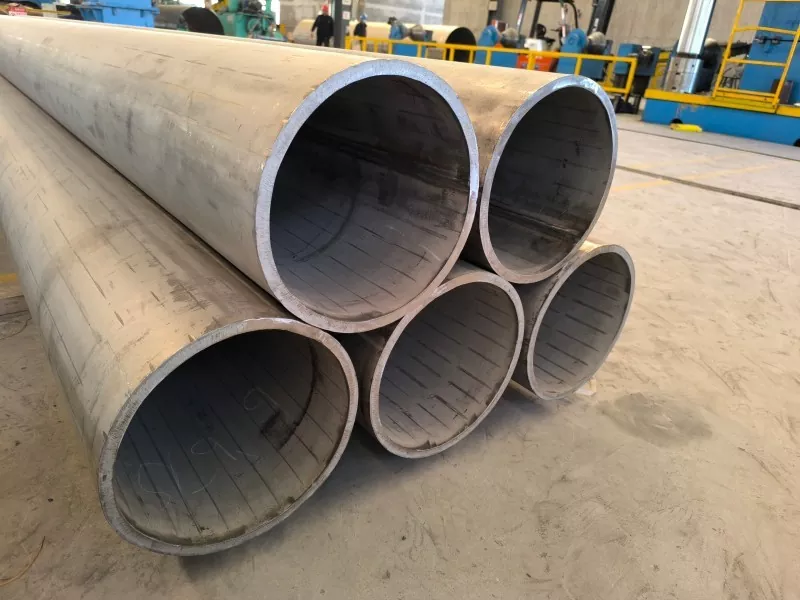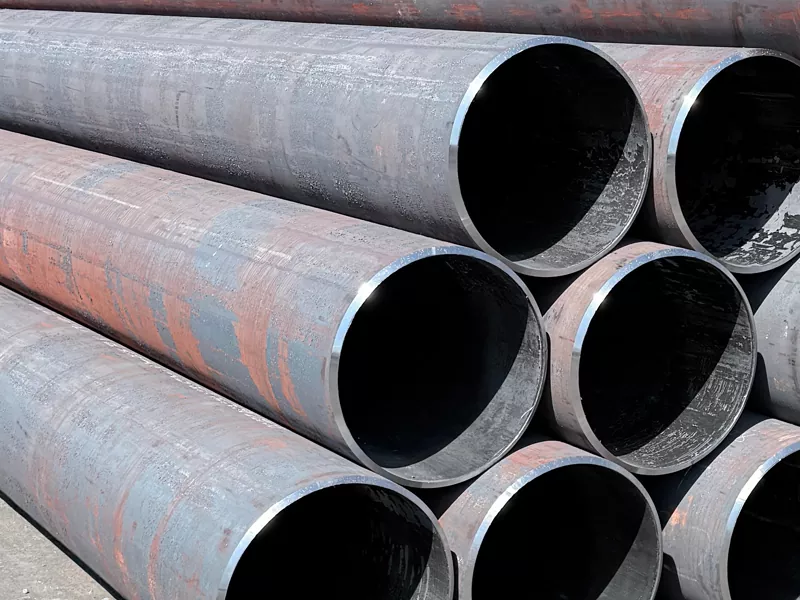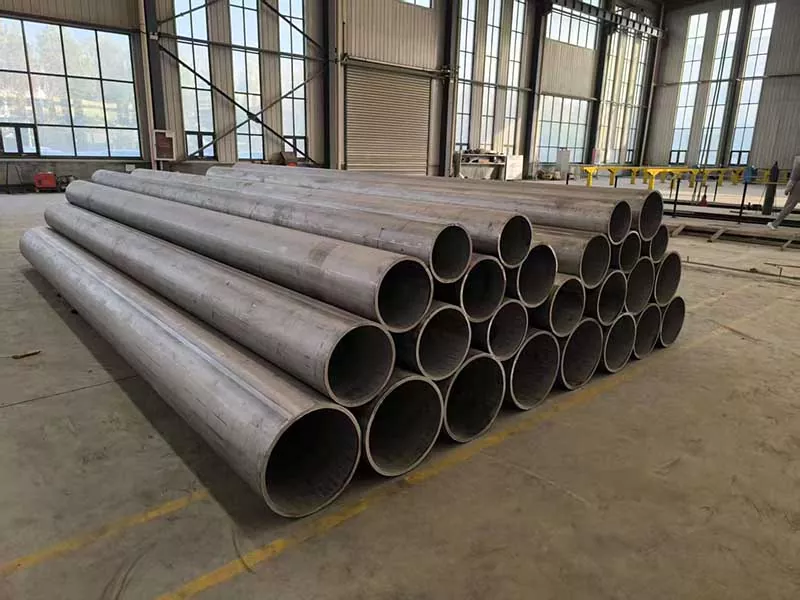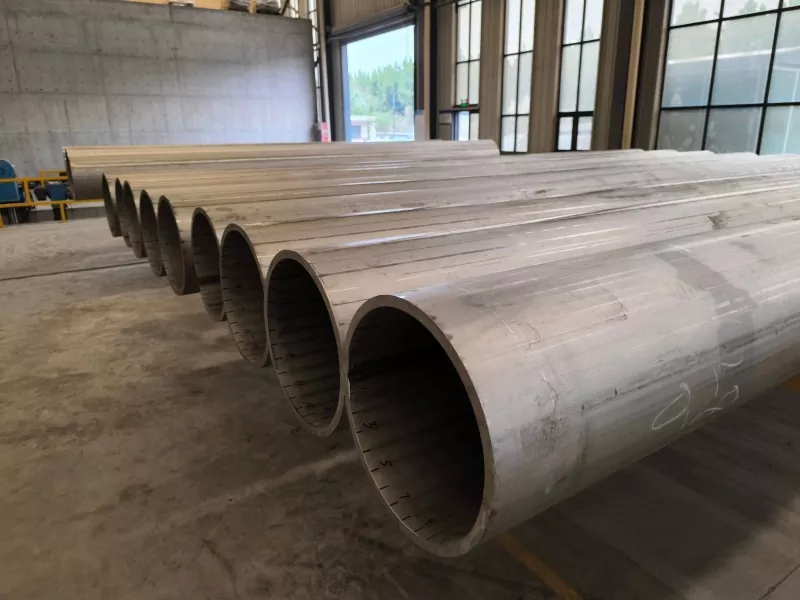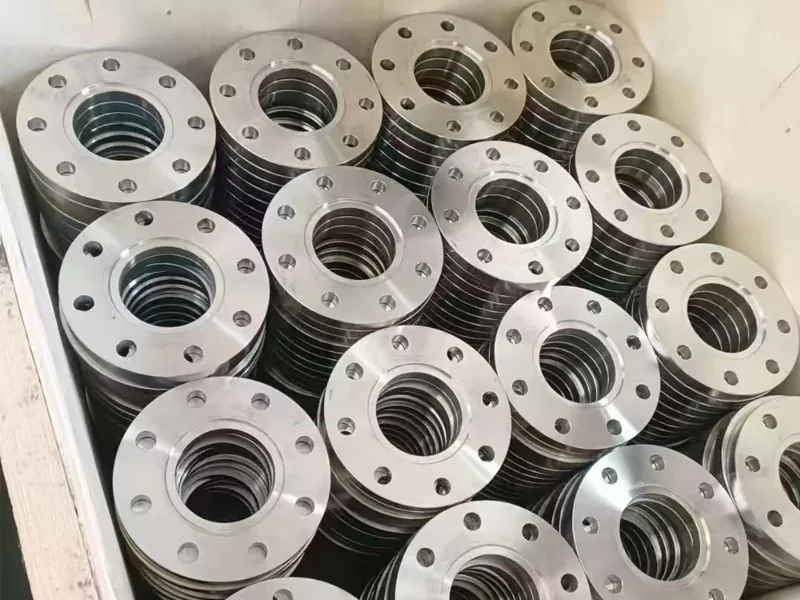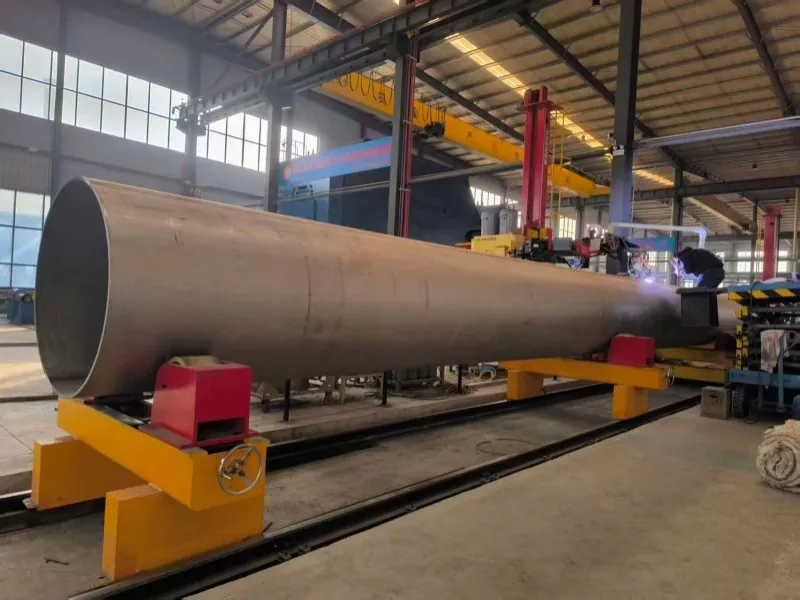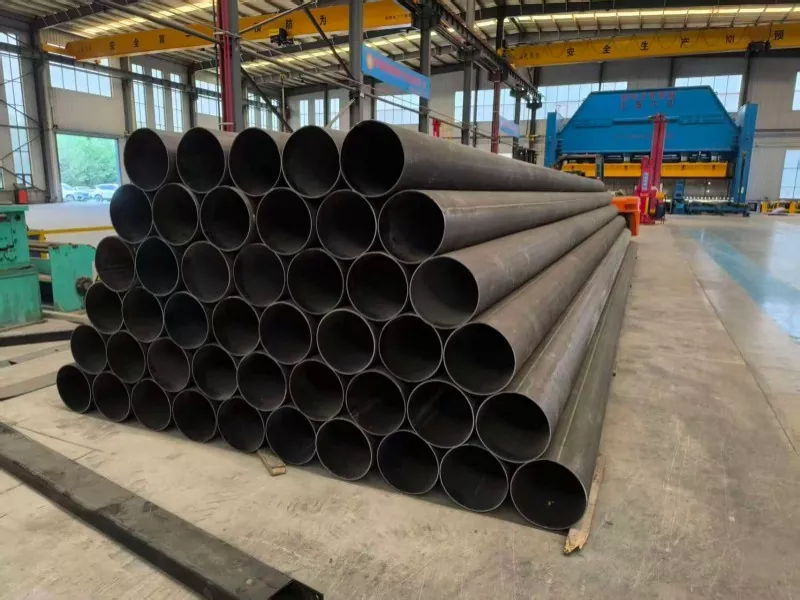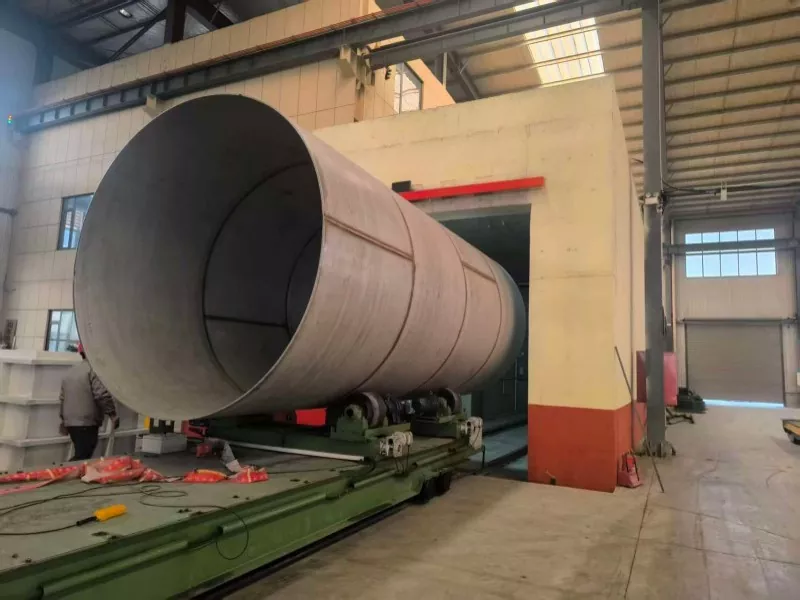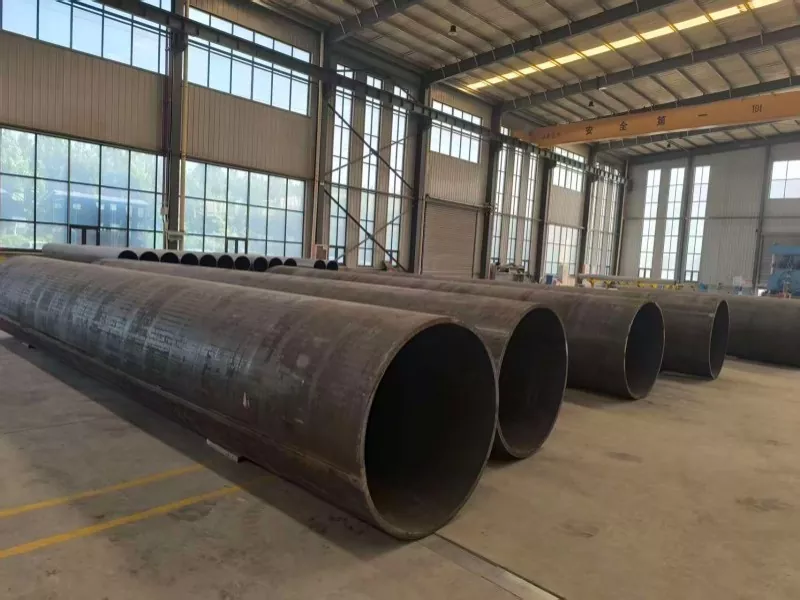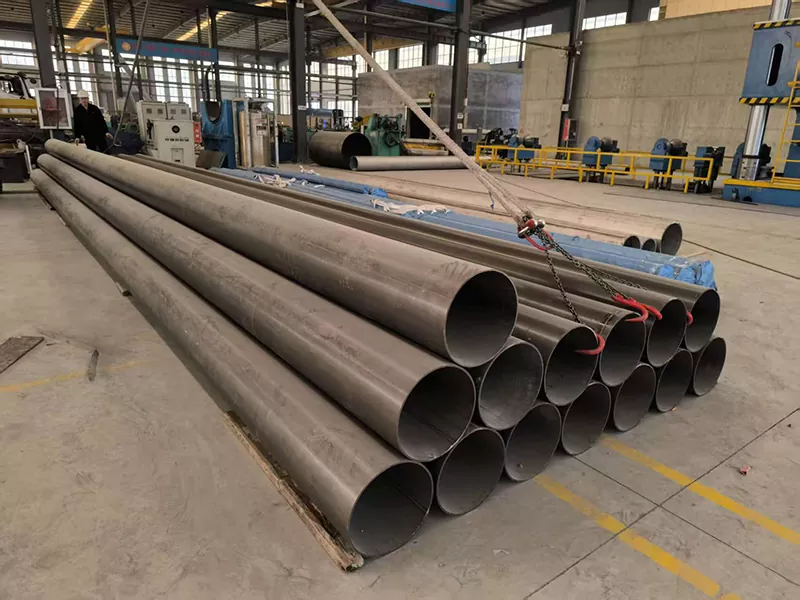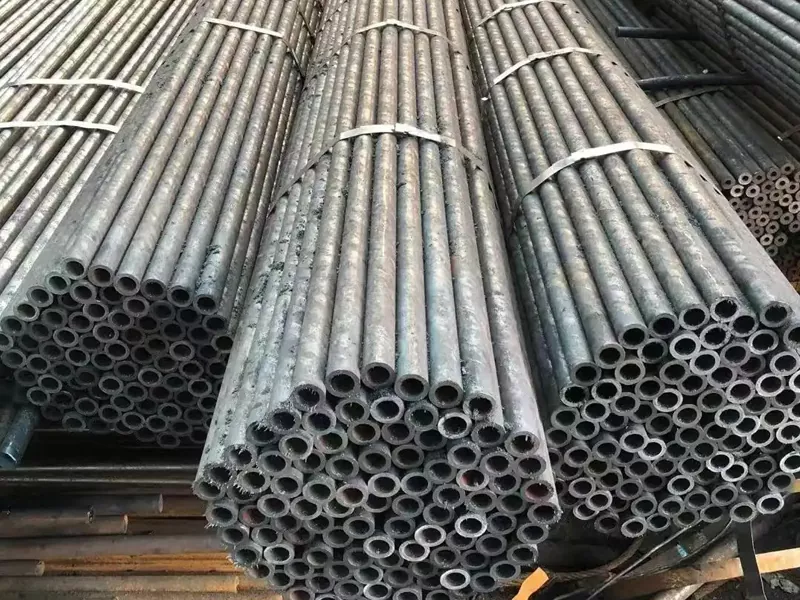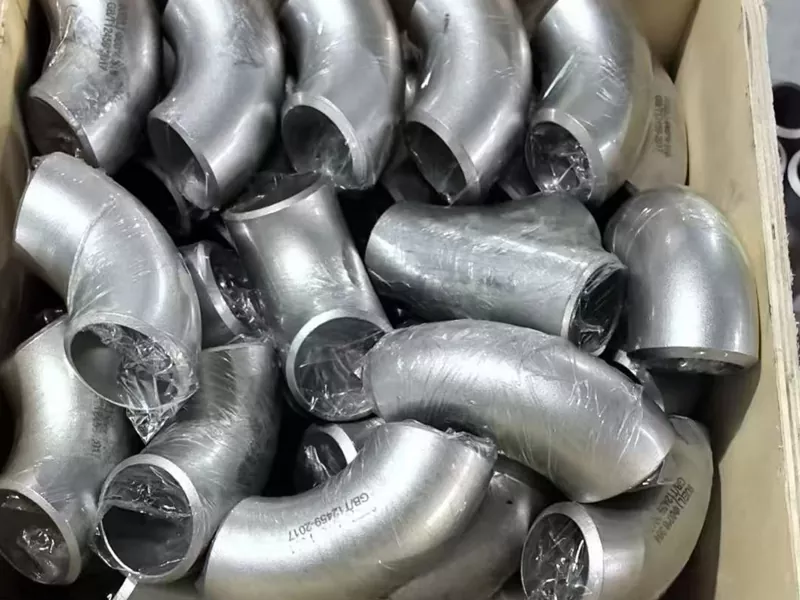
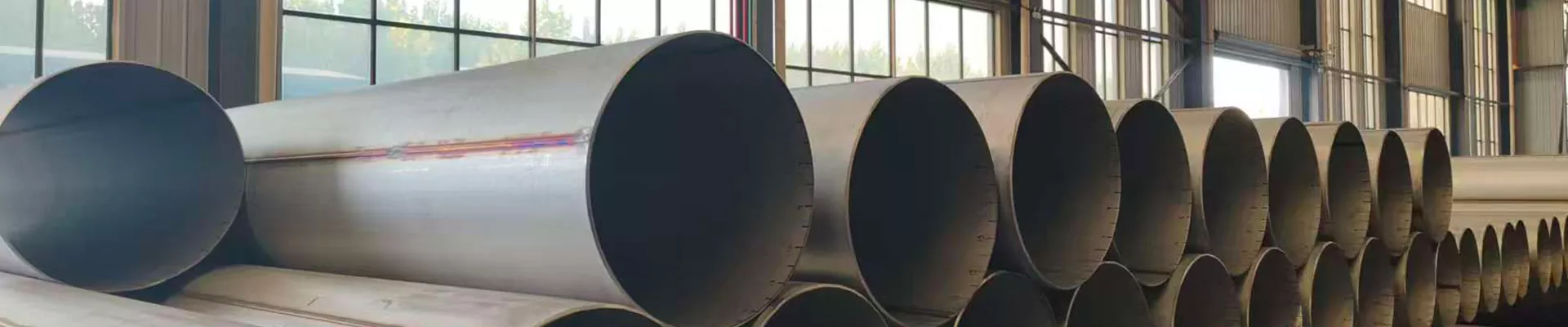
In the demanding field of aquatic treatment, selecting the right conduit system is critical for long-term reliability and corrosion resistance. Our range of water processing stainless welded steel tube solutions is engineered to withstand aggressive chemical environments and fluctuating temperatures commonly found in water treatment facilities. These tubes are fabricated using premium-grade stainless steel, ensuring durability and minimal maintenance. When specifying components for high-purity applications, the water treatment grade stainless steel tubing delivers exceptional surface finish and resistance to microbial growth, meeting stringent hygiene standards. For large-scale purification projects, the welded stainless pipe for water purification offers a seamless flow path that reduces pressure drop and prevents contaminant buildup. Additionally, the water system stainless steel welded tube provides versatile compatibility with existing infrastructure, making it an ideal choice for retrofits and new installations alike.
| Parameter | Value |
|---|---|
| Material Grades | 304L, 316L, 1.4404, 1.4307 |
| Welding Method | Autogenous TIG welding without filler |
| Size Range (OD) | 6.35 mm – 168.3 mm (1/4" – 6") |
| Wall Thickness | 0.89 mm – 7.11 mm (Schedule 5S/10S/40S) |
| Length Options | 6 meters random or 12 meters beveled end |
| Surface Finish | Ra ≤ 1.6 μm (mill), Ra ≤ 0.8 μm (polished) |
| Testing | Hydrostatic 1.5 × design pressure, Eddy current, Radiography |
| Standards | ASTM A312/A778, ASME BPE, EN 10217-7 |
The Aquatic treatment stainless welded conduit is designed to provide unmatched longevity in desalination plants, wastewater treatment basins, and drinking water distribution systems. The welded construction, performed in a controlled atmosphere, ensures a fully fused joint that exhibits the same corrosion resistance as the base metal. This product undergoes a comprehensive dimensional control process, with laser-based measurement systems verifying ovality and wall concentricity to within ±0.5% of nominal values. Users benefit from consistent internal diameters that facilitate efficient cleaning-in-place (CIP) protocols and reduce biofilm formation risks. The tube’s polished inner surface minimizes particle entrapment, making it suitable for reverse osmosis feed lines and ultra-pure water loops. With optional passivation treatments, the conduit forms a resilient chromium oxide layer that actively defends against chloride-induced pitting and stress corrosion cracking, even in warm saline brines. Moreover, the material’s low carbon content (<0.03%) in 304L and 316L variants prevents sensitization during welding, eliminating intergranular attack in as-welded zones. Each batch is supplied with full material test certificates traceable to the heat number, giving engineers documented confidence in pressure boundary integrity and regulatory compliance. Through a combination of robotic welding precision and rigorous post-weld heat treatment, the conduit maintains uniform mechanical properties along its entire length, ensuring predictable bending and joining behaviors during site installation.