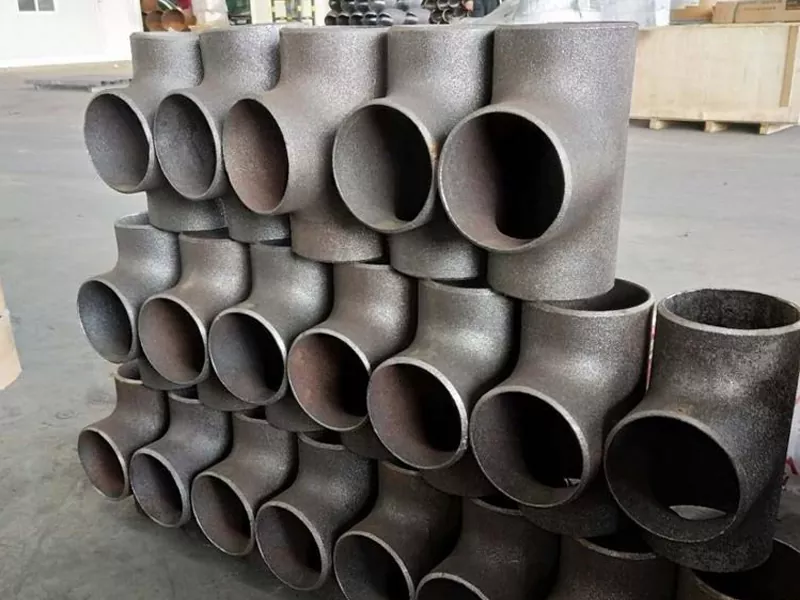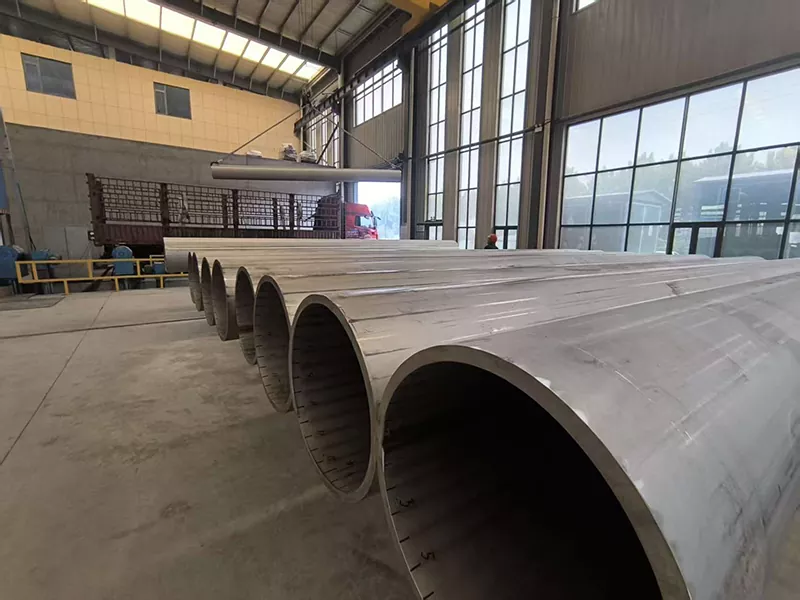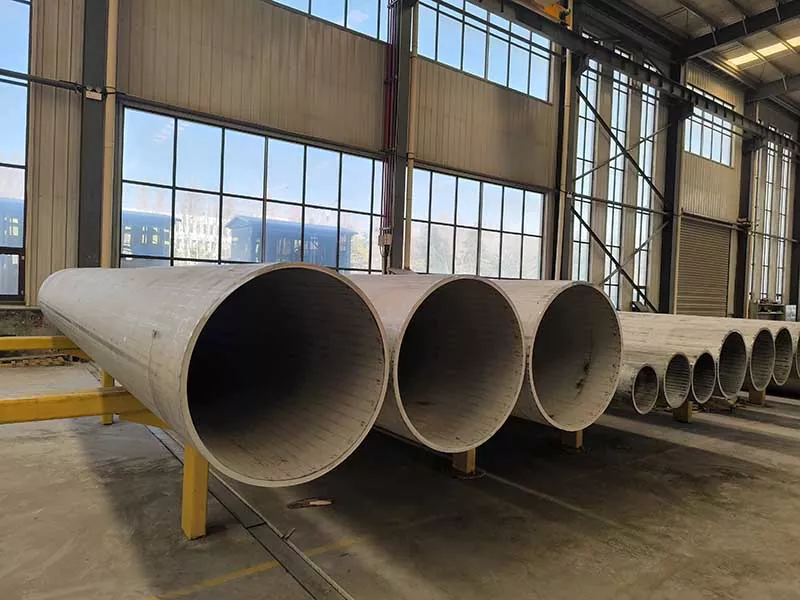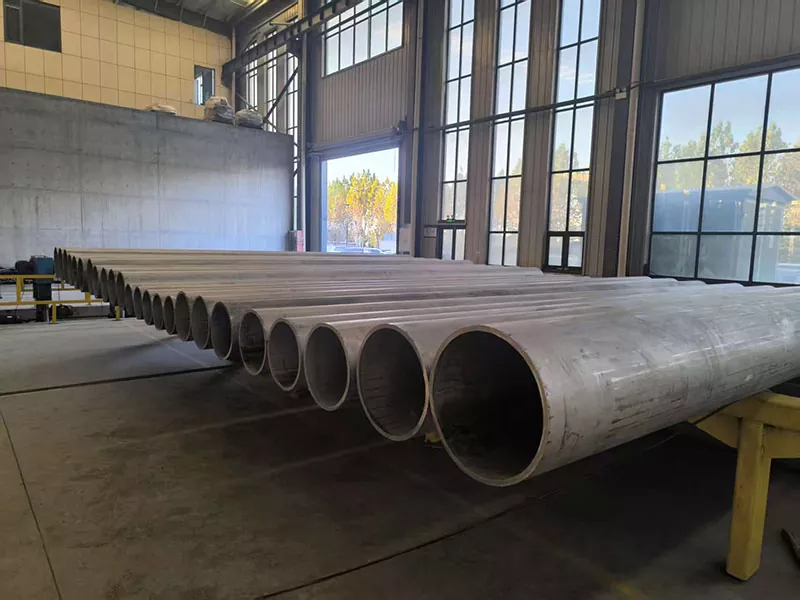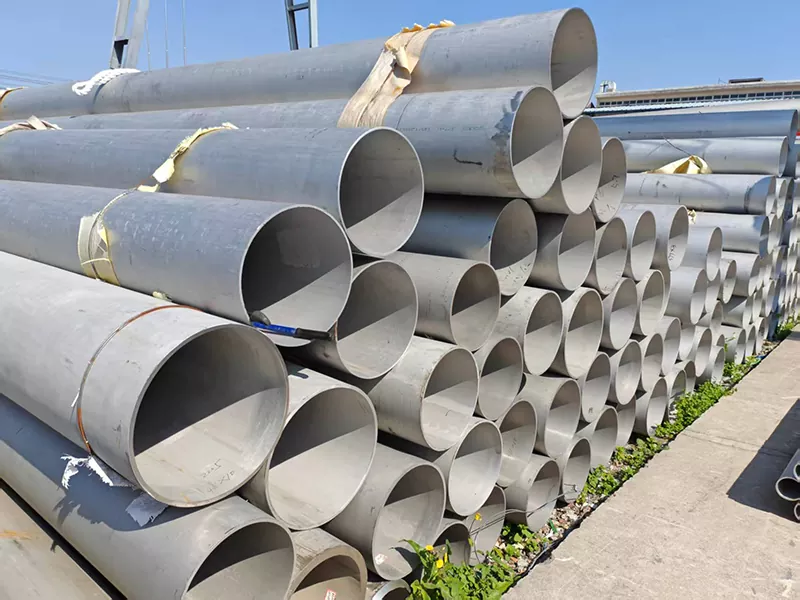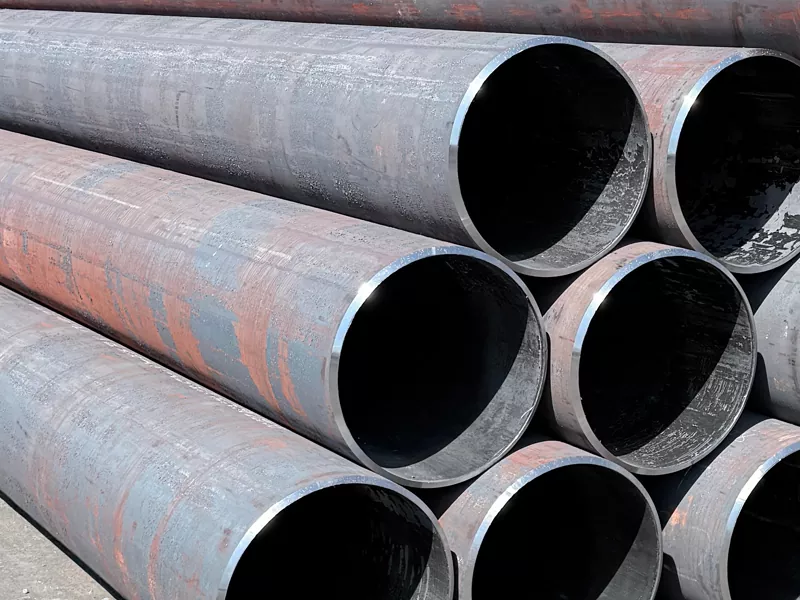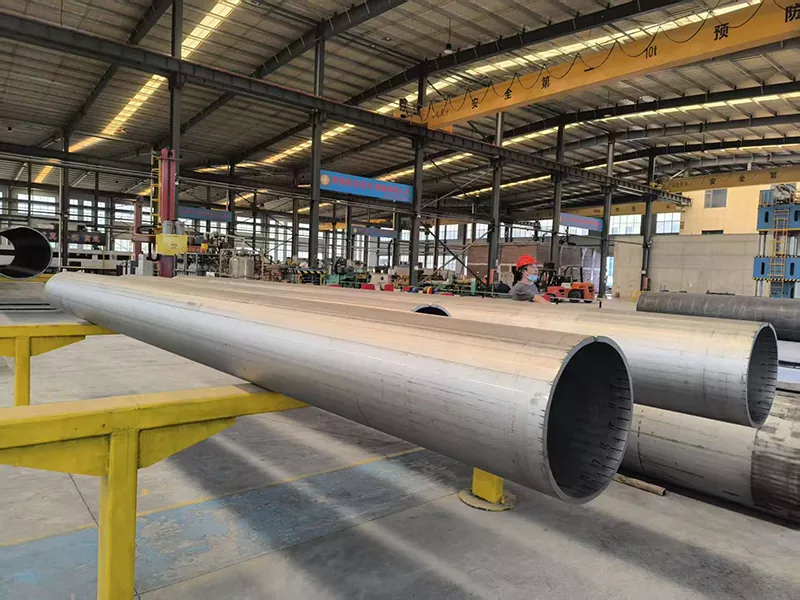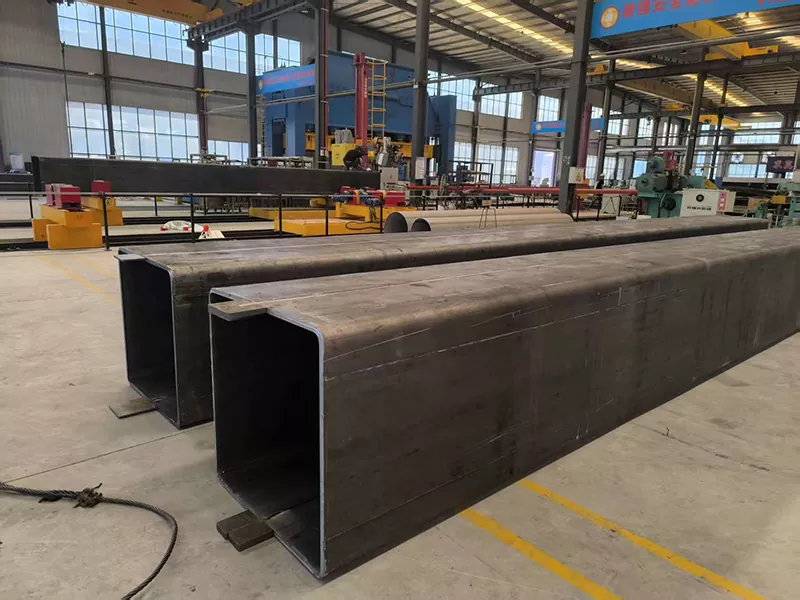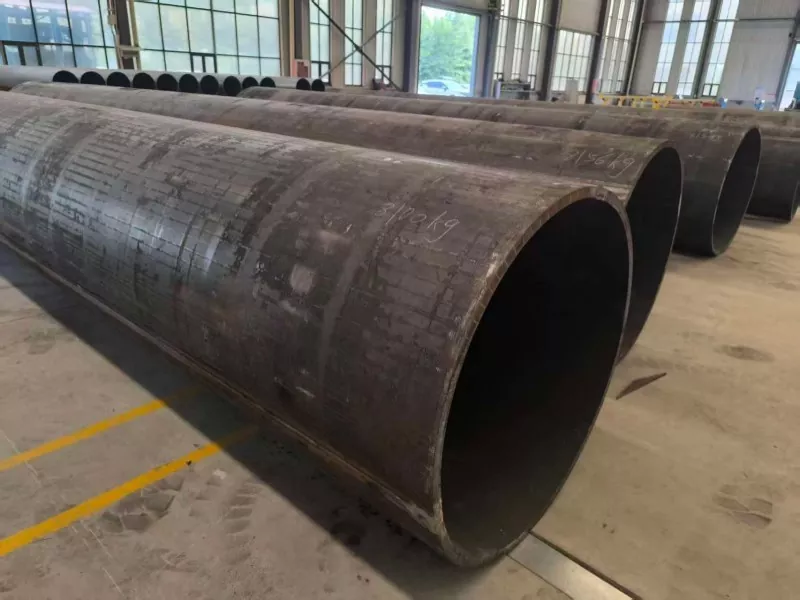
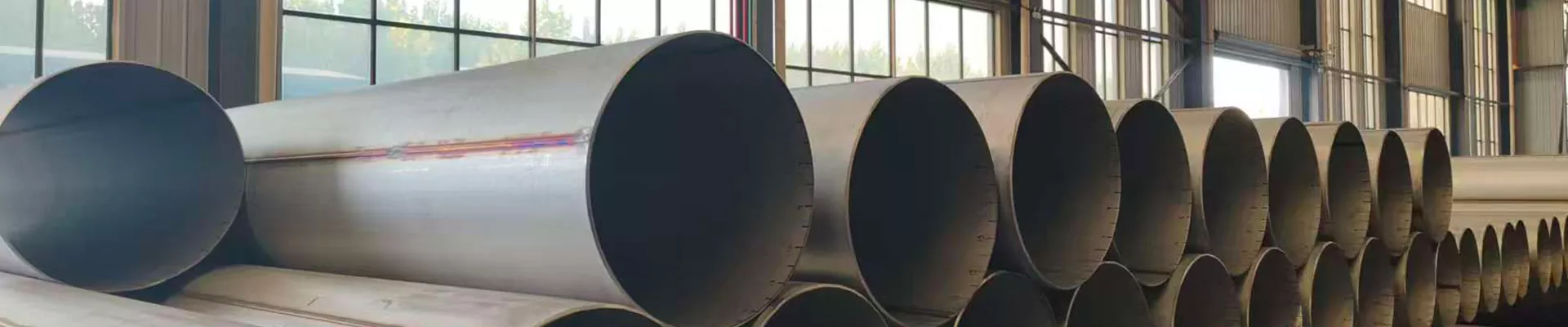
In the demanding environments of the energy sector, reliability and corrosion resistance define the performance of piping systems. Our comprehensive range of oil and gas sector welded stainless steel tube solutions is engineered to handle aggressive media, high pressure, and extreme temperatures commonly found in exploration, production, and processing facilities. Complementing this range, our stainless welded tubing for petroleum industry provides exceptional weld integrity and smooth internal surfaces that minimize flow resistance and reduce deposit buildup. For long-distance transport, we rely on pipeline pipe for oil and gas transmission, fabricated with precise dimensional tolerances and high-strength austenitic grades to meet international codes. In sensitive refinery and petrochemical applications, petroleum grade stainless welded conduit offers unmatched durability against sour gas, chlorides, and acidic contaminants. Every product undergoes rigorous non-destructive testing, including eddy current and ultrasonic inspection, ensuring zero-defect delivery. Key features include:
Energy industry stainless welded piping is manufactured using advanced multi-pass welding techniques that create homogeneous joints capable of withstanding cyclic thermal and mechanical loads. The material selection prioritizes grades such as 304L, 316L, 321, 347, and duplex 2205, each chosen for its resistance to intergranular corrosion, stress corrosion cracking, and pitting in chloride-rich environments. Wall thickness schedules range from SCH 5S to SCH 160, covering diameters from 1/8 inch to 48 inches, with pressure ratings tested up to 20,000 psi in specialized configurations. Our in-house pickling and passivation lines restore chromium oxide layers post-welding, extending service life in subsea and downhole installations. The following table summarizes typical engineering parameters for our flagship piping products:
| Property | 304L Grade | 316L Grade | Duplex 2205 |
|---|---|---|---|
| Yield Strength (MPa) | ≥205 | ≥205 | ≥450 |
| Tensile Strength (MPa) | ≥515 | ≥515 | ≥655 |
| Elongation (%) | ≥35 | ≥35 | ≥25 |
| Max Service Temp (°C) | 870 | 870 | 300 |
| Corrosion Resistance (PRE) | 18-20 | 24-26 | 34-36 |
| Weld Joint Efficiency | 0.85–1.0 | 0.85–1.0 | 0.90–1.0 |
The welding procedures are qualified per ASME Section IX, with continuous monitoring of heat input and interpass temperature to preserve the microstructure. Post-weld heat treatment is applied selectively to grades susceptible to sensitization, while ferrite content in duplex welds is kept between 35% and 65% to maintain toughness. Dimensional control ensures ovality less than 1% and wall thickness variation within ±10% of nominal, critical for fitting alignment in modular energy infrastructure. On-site installation support includes end preparation with beveled or plain ends, and packaging in weather-resistant crates for offshore logistics.