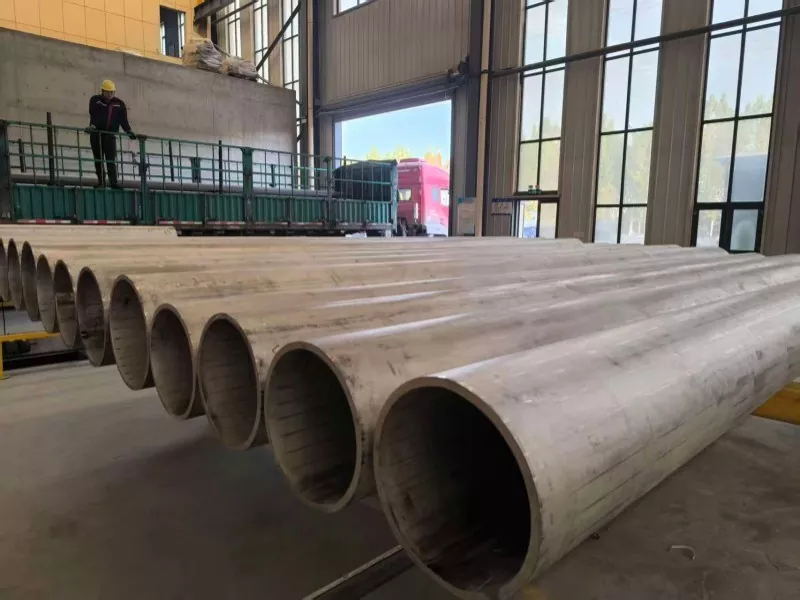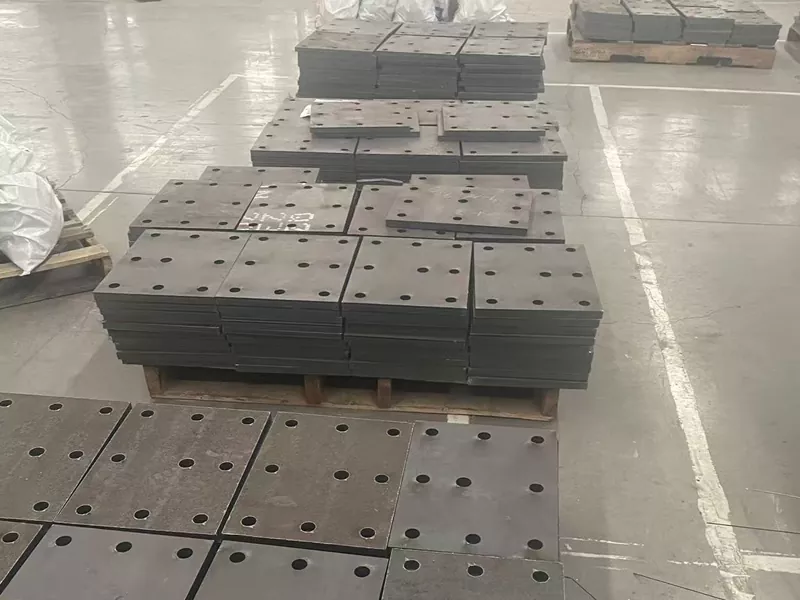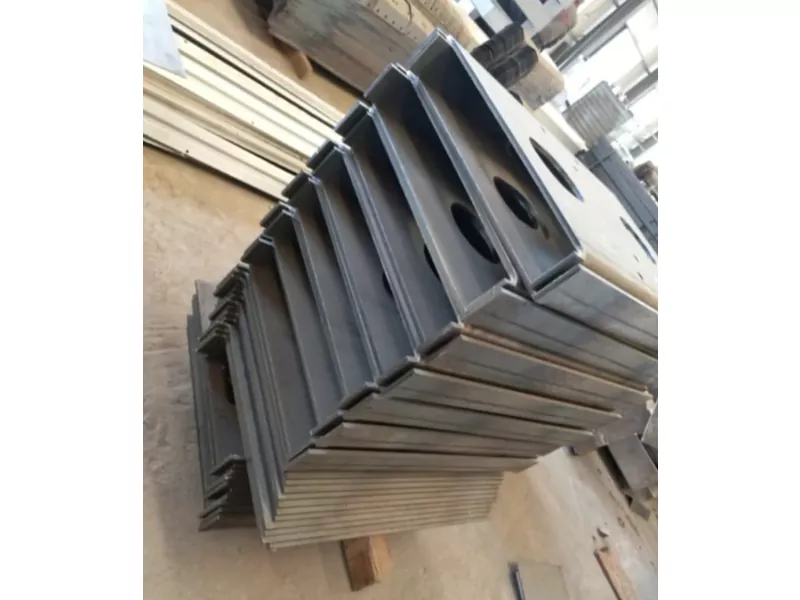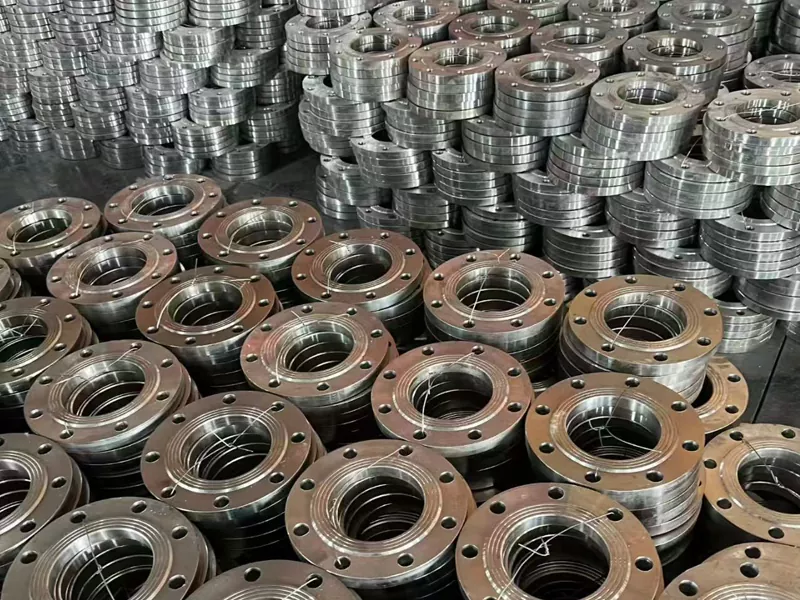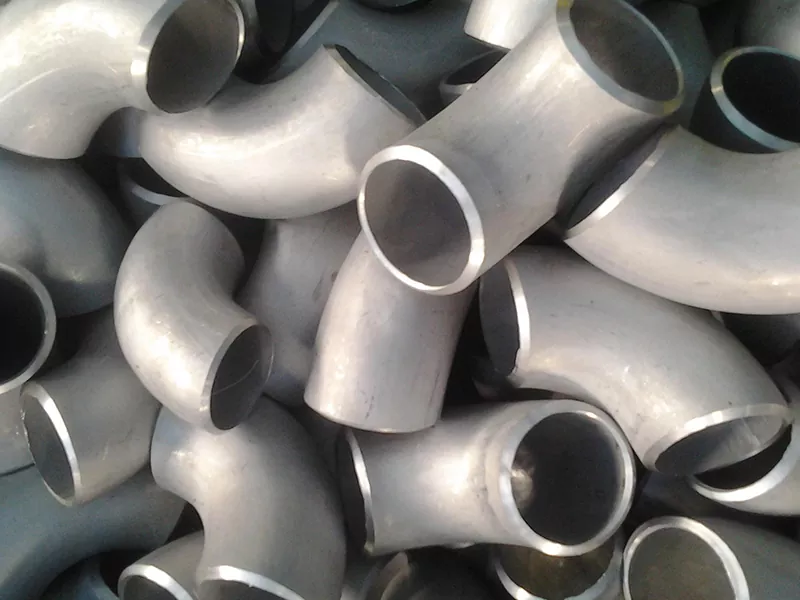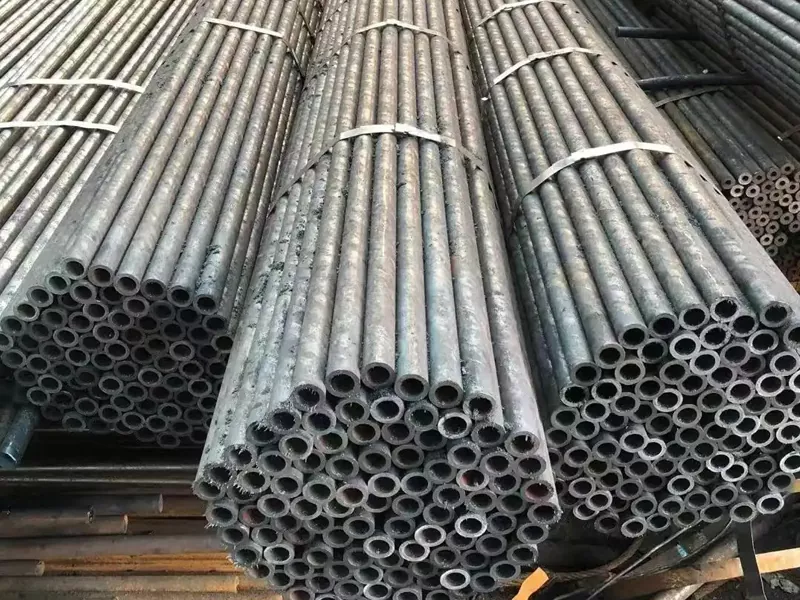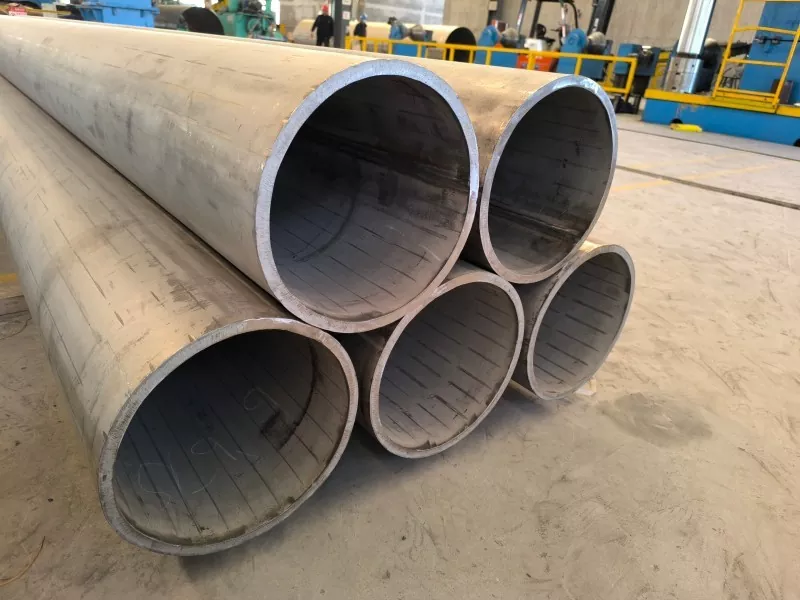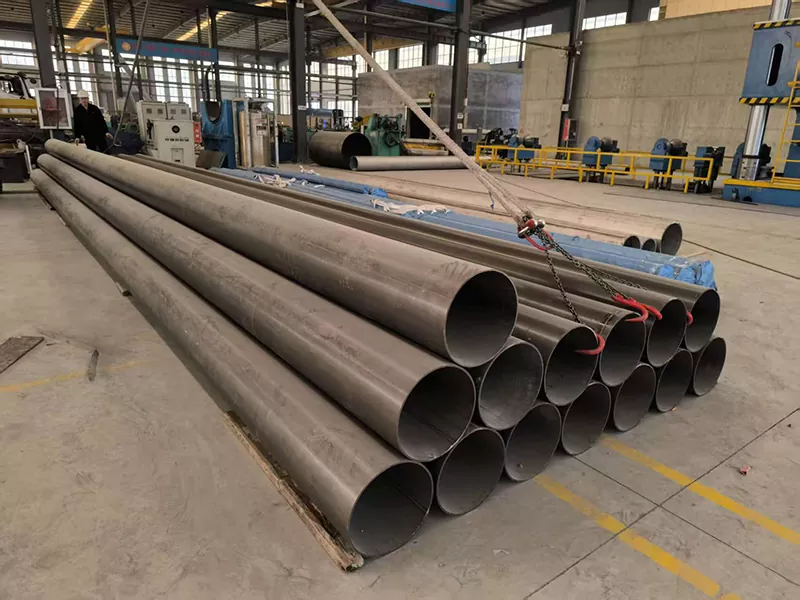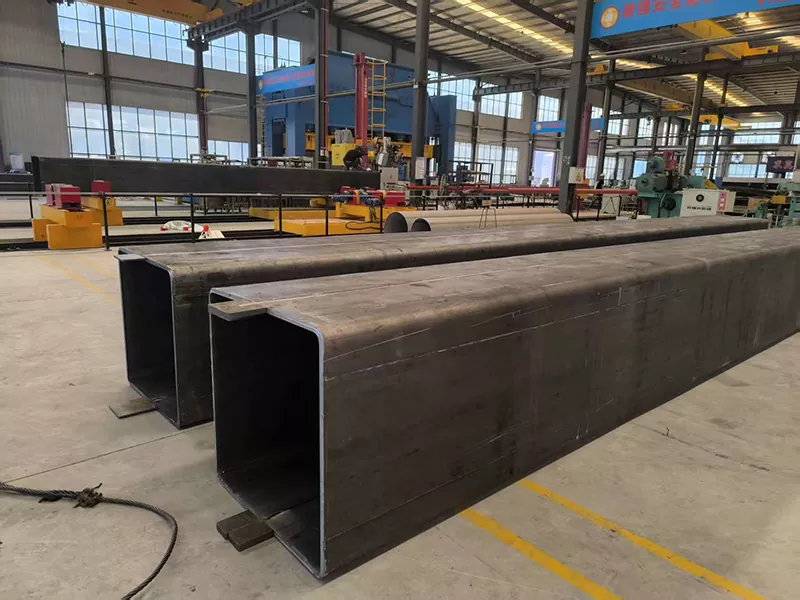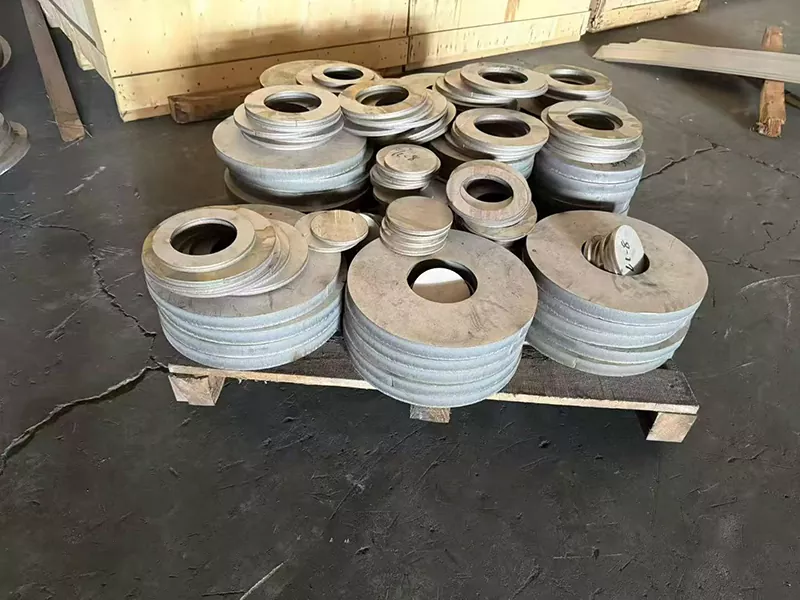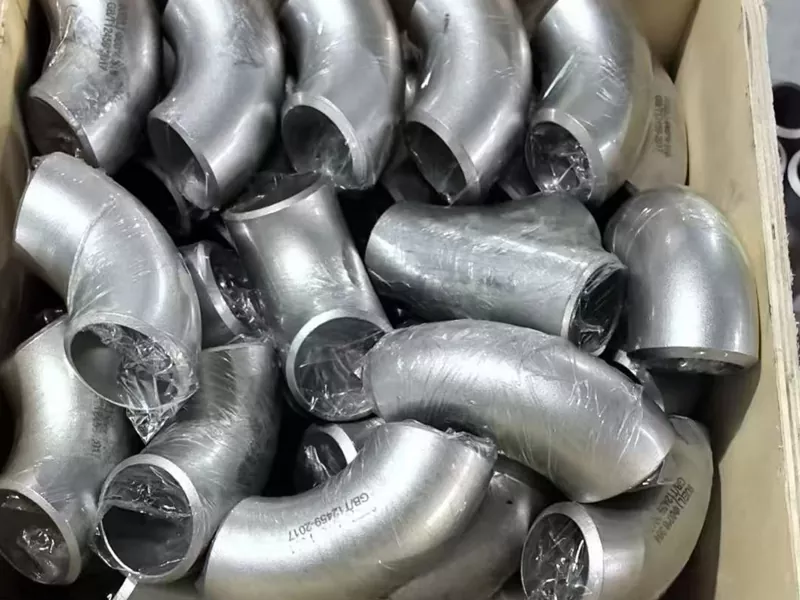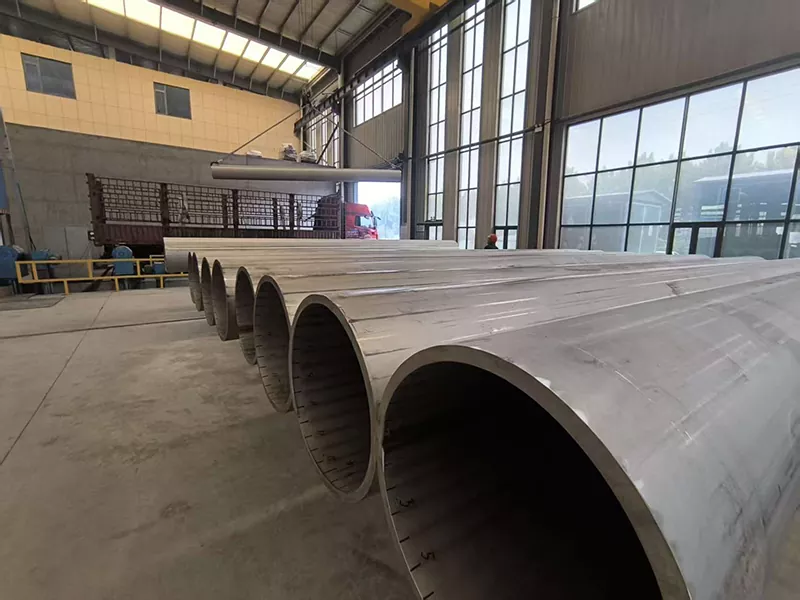
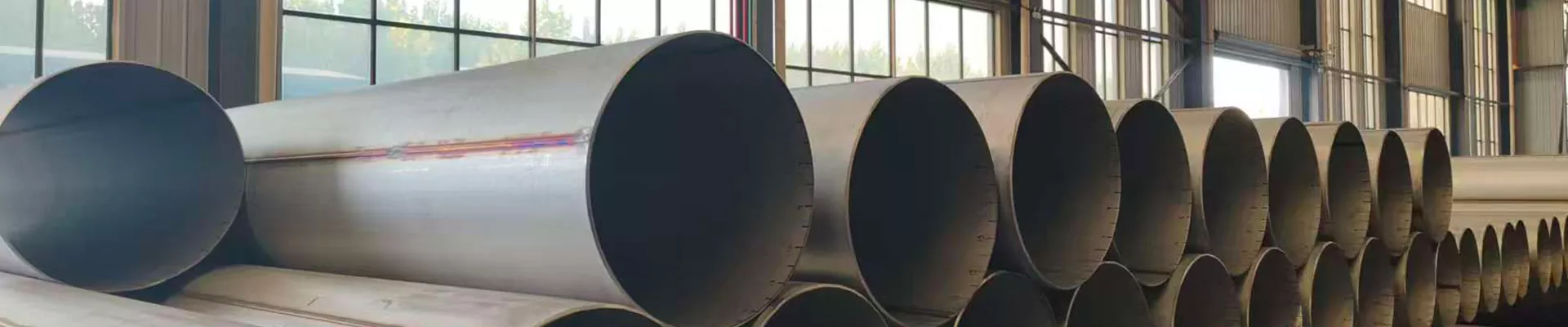
In the demanding environments of chemical processing plants, selecting the right piping system is critical for safety, longevity, and operational efficiency. Our company engineers and supplies Chemical grade welded stainless steel tube that delivers exceptional resistance to a wide range of acids, alkalis, and solvents. These tubes are manufactured with precise control over the welding process to eliminate defects and ensure uniform wall thickness, making them suitable for high-purity applications. For projects requiring larger diameters and higher flow capacities, we offer Industrial stainless welded piping for chemistry fabricated to conform strictly to ASME B31.3 and EN 13480 standards. Each section of Chemical process stainless steel welded pipe is subjected to rigorous non-destructive testing, including hydrostatic and radiographic examination, to guarantee integrity under pressure. When flexibility and on-site adjustments are necessary, our Chemistry field welded stainless tubing provides a reliable solution, allowing for precise fit-up and robust connections in complex layouts. The material matrix spans austenitic, duplex, and super-austenitic grades, all compliant with ASTM A312 and ASTM A358 specifications. Post-weld heat treatment and passivation processes are available to enhance intergranular corrosion resistance in sensitizing environments. Our internal surface finish can be specified down to Ra 0.4 μm for sanitary or ultra-clean chemical services. With complete traceability from melt to final product, every tube and pipe lot is accompanied by mill test reports confirming chemical composition and mechanical properties. The welded structure inherently provides tighter dimensional tolerances compared to seamless alternatives, reducing the need for field machining and accelerating installation timelines.
Chemical system welded stainless steel piping forms the backbone of modern chemical transport infrastructure, combining fabrication precision with material science. Below are the core technical parameters that define this product range, allowing engineers to select the optimal configuration for their specific process conditions.
| Property | 304/304L | 316/316L | Duplex 2205 | Super Duplex 2507 |
|---|---|---|---|---|
| Tensile Strength (min) | 75 ksi (515 MPa) | 75 ksi (515 MPa) | 90 ksi (620 MPa) | 116 ksi (800 MPa) |
| Yield Strength (0.2%, min) | 30 ksi (205 MPa) | 30 ksi (205 MPa) | 65 ksi (450 MPa) | 80 ksi (550 MPa) |
| Elongation (min) | 35% | 35% | 25% | 15% |
| Hardness (max) | 90 HRB | 90 HRB | 31 HRC | 32 HRC |
| Pitting Resistance Equivalent (PREN) | 18 – 20 | 24 – 27 | 34 – 36 | 40 – 44 |
| Max Service Temp (continuous) | 870°C (1600°F) | 870°C (1600°F) | 300°C (570°F) in chloride media | 300°C (570°F) in chloride media |
Each chemical system welded stainless steel piping component is produced in ISO 9001:2015 certified facilities with full digital process records. In-house passivation and chemical cleaning lines remove free iron and contaminants, ensuring immediate compatibility with process fluids. The welding procedures are qualified to ASME Section IX, and specialized low-heat-input techniques minimize the heat-affected zone, preserving base metal corrosion resistance. For highly aggressive media such as hot concentrated sulfuric acid or chlorinated hydrocarbons, high-alloy options like 904L or 6% moly grades are recommended. These alloys exhibit superior crevice corrosion resistance, critical in gasketed flange joints and threaded fittings. The piping can be supplied with a factory-applied color-coded polymer coating for aboveground installations or wrapped in anti-corrosion tape for buried service. Our technical team assists with expansion loop design, support spacing analysis, and vibration mitigation strategies, turning a material specification into a fully engineered piping system that performs reliably for decades under cycling thermal loads and pressure fluctuations.