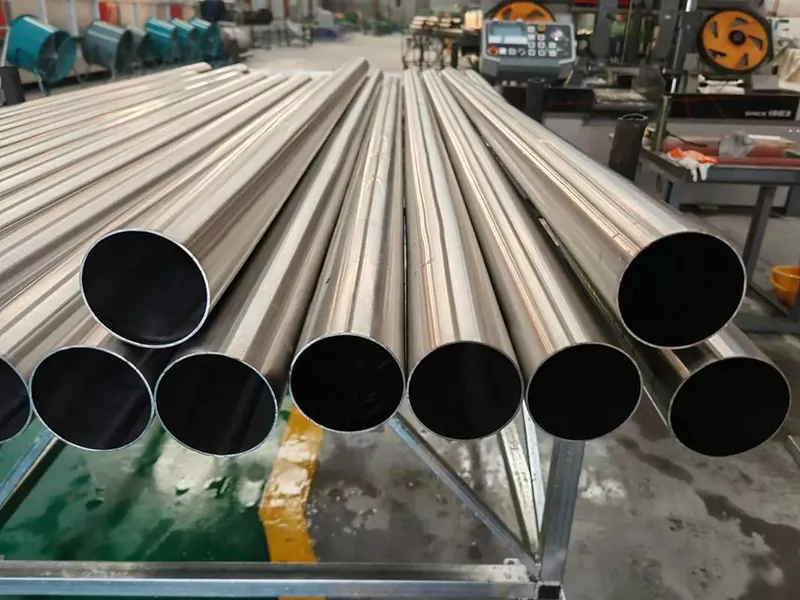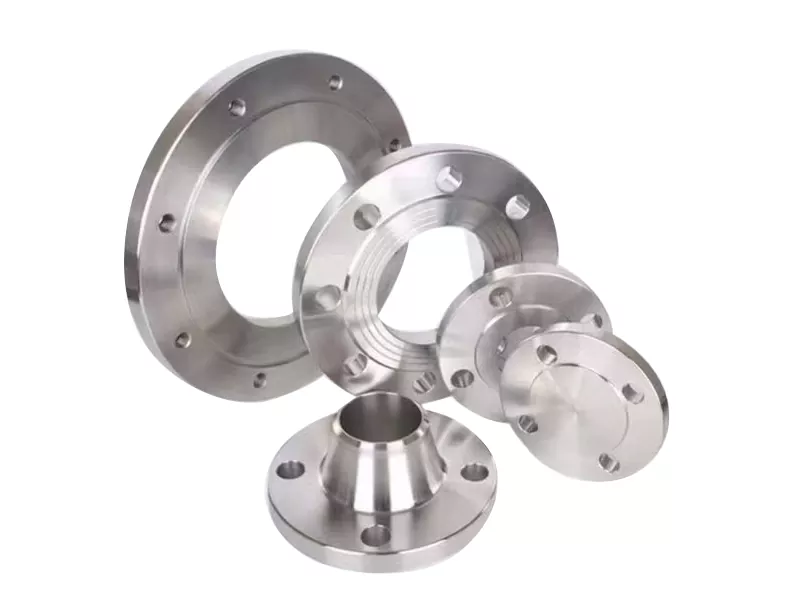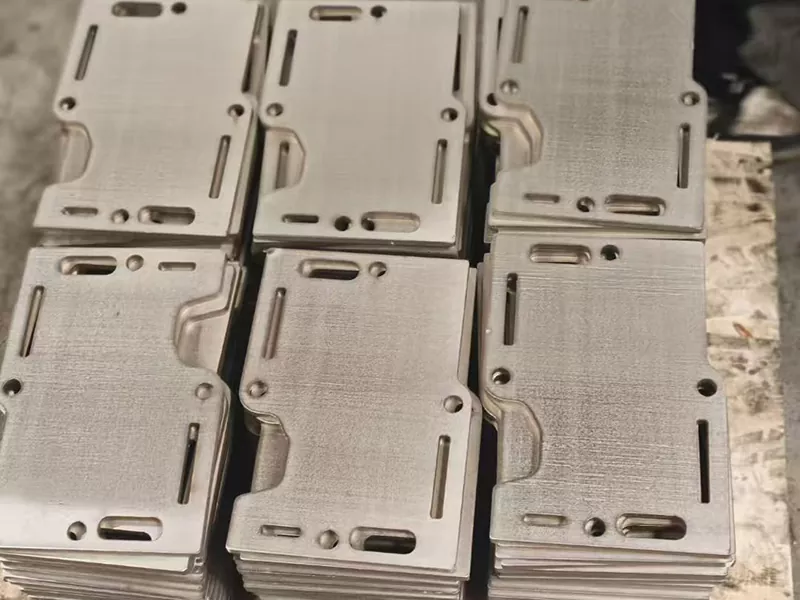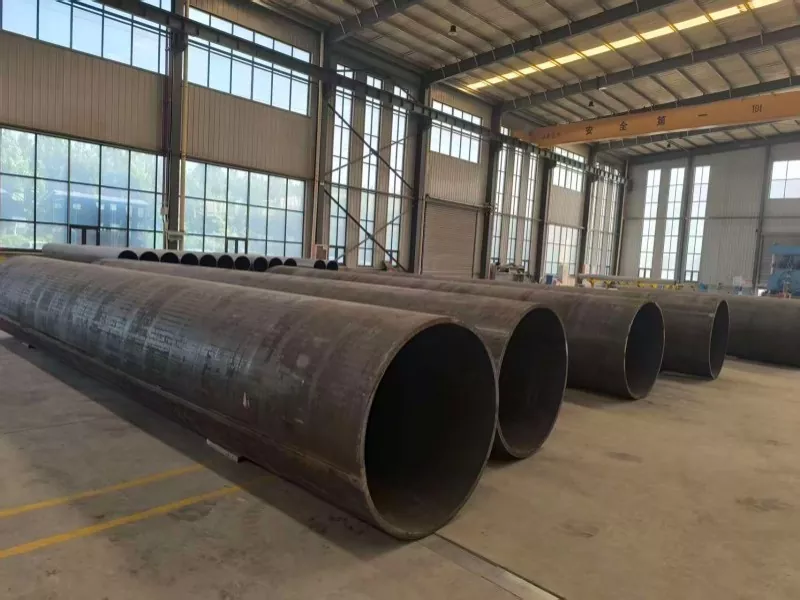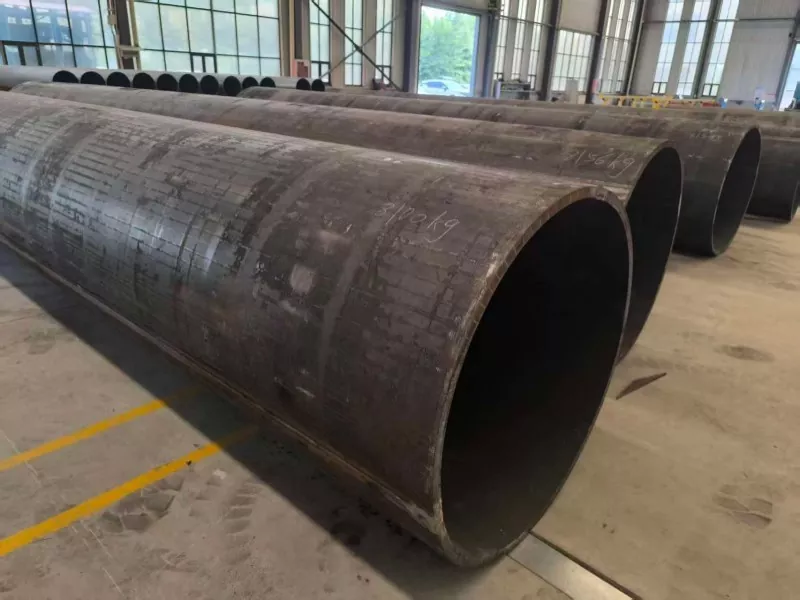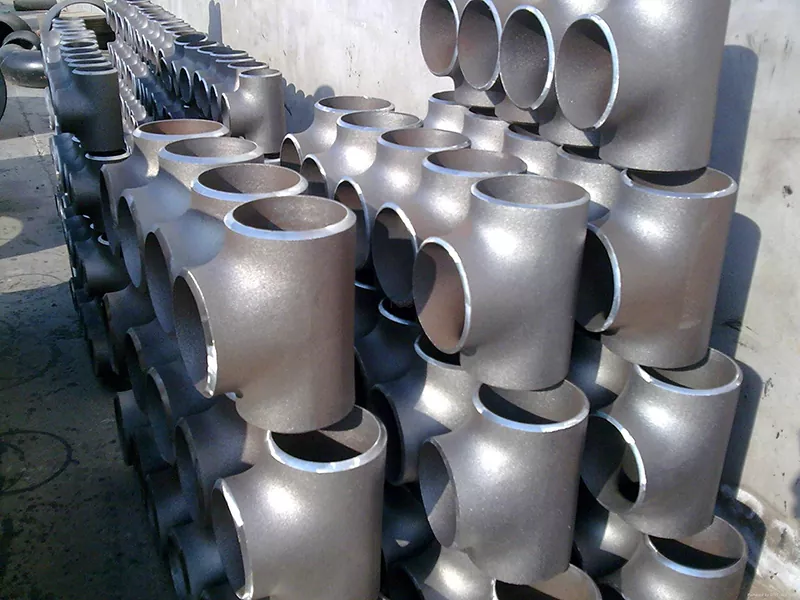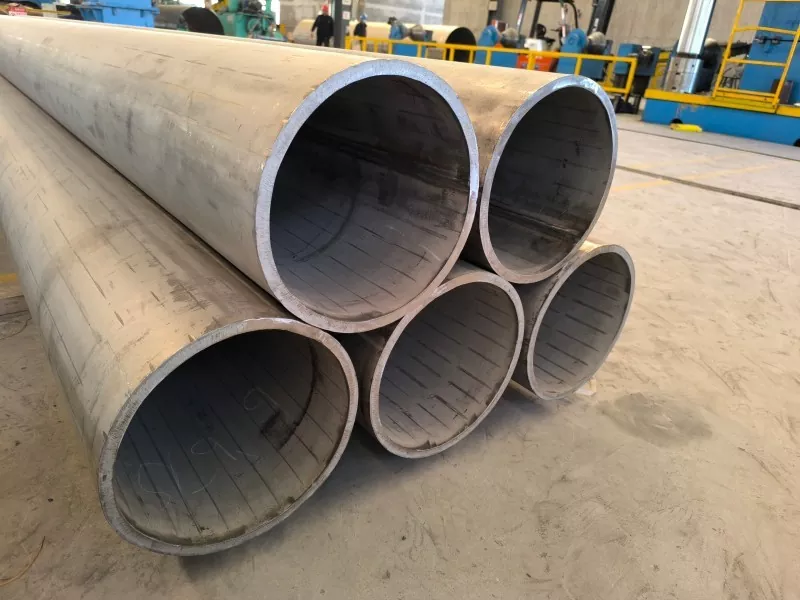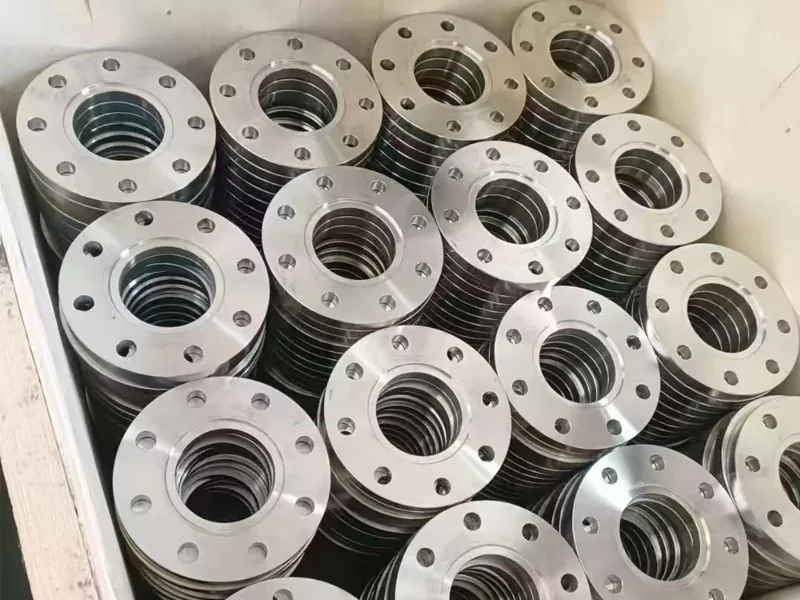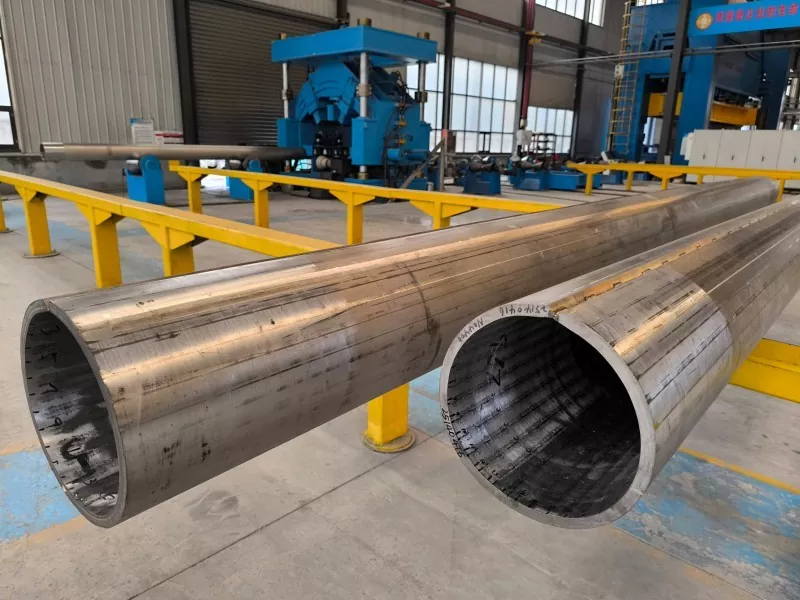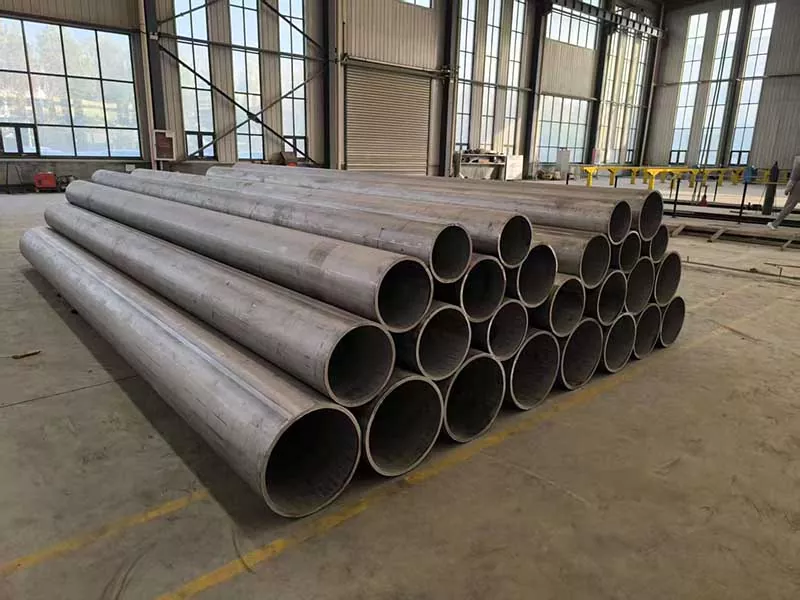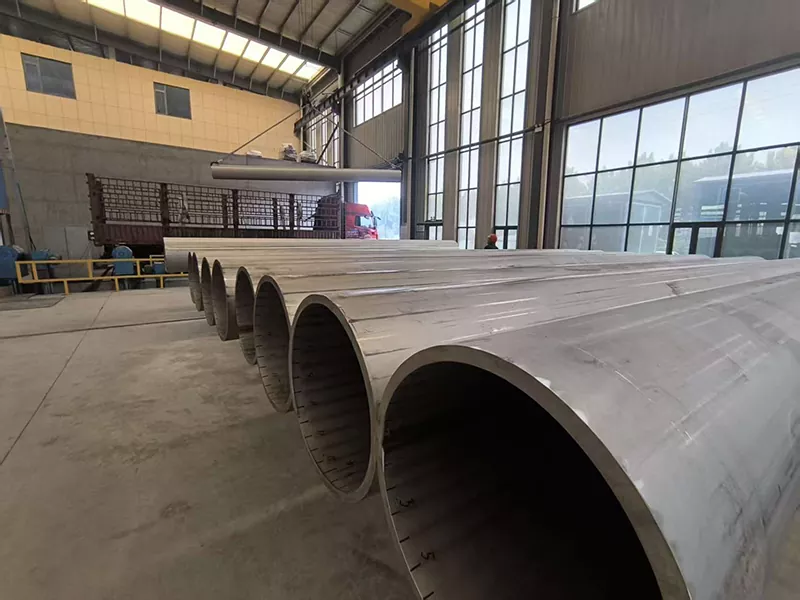
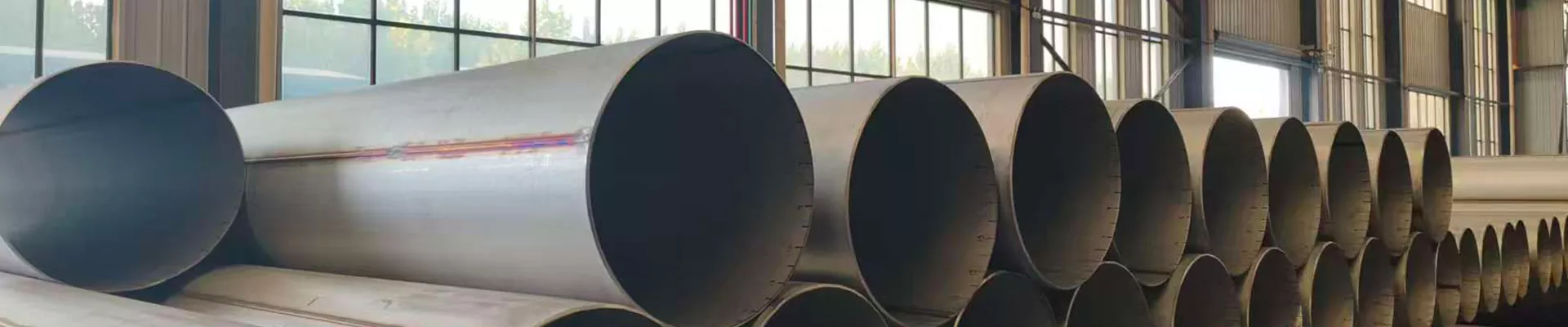
In demanding chemical processing environments, selecting the right piping system is not just about meeting operational requirements—it is about ensuring long-term reliability, safety, and cost efficiency. Our Chemical grade welded stainless steel tube solutions are engineered from the ground up to withstand aggressive media, high pressures, and temperature swings commonly found in modern chemical plants. Whether you need a robust Industrial stainless welded piping for chemistry for large-scale reactors or precisely dimensioned Chemical process stainless steel welded pipe for transferring corrosive fluids, our range covers the complete spectrum of industrial chemistry needs. Each Chemistry field welded stainless tubing product is manufactured under strict quality controls, utilizing advanced welding techniques that create a uniform, crevice-free inner surface—critical for preventing localized corrosion and buildup. The anti-corrosion welded steel tube for chemical use we deliver consistently outperforms conventional piping, giving plant operators peace of mind and reducing total lifecycle costs.
The Anti-corrosion welded steel tube for chemical use is specifically designed to handle the unique challenges posed by acidic, alkaline, and chloride-rich environments. By employing carefully selected stainless steel grades and post-weld treatments such as pickling, passivation, and bright annealing, we ensure that every tube maintains its integrity even under continuous exposure to harsh chemical agents. The precision welding process not only guarantees mechanical strength but also eliminates the need for additional linings in many applications, simplifying installation and maintenance. Dimensional accuracy, combined with superior surface finish, allows these tubes to integrate seamlessly into existing processing lines, heat exchangers, and transfer systems. Their consistent wall thickness and concentricity reduce flow resistance and minimize the risk of stress corrosion cracking—factors that are often overlooked yet crucial for safe, uninterrupted chemical operations.
| Grade | Corrosion Resistance Profile | Typical Chemical Applications |
|---|---|---|
| 304/304L | Good resistance to oxidizing acids; moderate chloride tolerance | Organic acids, food-grade chemical lines, low-chloride water |
| 316/316L | Enhanced pitting resistance due to molybdenum addition; reliable in dilute sulfuric and phosphoric acids | Inorganic chemical processing, fertilizer production, dye intermediates |
| 316Ti/321 | Stabilized against intergranular corrosion after welding; suitable for elevated temperatures | Hot acidic streams, heat exchangers in chemical reactors |
| 2205 Duplex | Excellent stress corrosion cracking resistance combined with high strength | Chloride-containing environments, seawater-cooled chemical processes |
| Parameter | Standard Range | Custom Options |
|---|---|---|
| Outer Diameter | 6 mm – 610 mm (1/4″ – 24″) | Non-standard metric/imperial sizes on request |
| Wall Thickness | 0.5 mm – 40 mm (Sch 5S to Sch XXS) | Ultra-thin walls down to 0.3 mm for specialized applications |
| Length | Up to 12 m fixed lengths, or coiled up to 150 m | Pre-cut to exact requirements with ±2 mm tolerance |
| Weld Quality | 100% X-ray or phased array ultrasonic inspection (optional) | AUT for large-diameter pipes; full penetration certification |
| Surface Finish | Pickled & passivated (Ra 0.4–1.6 μm) | Bright annealed, electropolished (Ra ≤ 0.4 μm) for ultra-clean processes |
| Testing & Certification | EN 10204 3.1, PMI, hydrostatic test at 1.5× design pressure | 3.2 inspection by third party, IGC test, ferrite scope report |